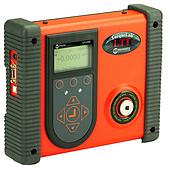
Overview of Detectortesters
Website: https://detectortesters.com/Founded in 1965 with the "All-in-one" motto, Detectortesters has grown to become a prestigious manufacturer of detector testing systems, featuring renowned brands such as Saber, Solo, Testifire, and Scorpion.
EMIN is the official distributor of DETECTORTESTERS in Vietnam
Since November 2019, EMIN has been the official distributor of DETECTORTESTERS in Vietnam. Detectortesters products are currently trusted by various clients worldwide, helping protect thousands of areas across diverse environments with distribution in over 120 countries. The combination of advanced technology, high precision, and operational safety makes DETECTORTESTERS the ideal choice for professional fire safety engineers, contractors, and system managers.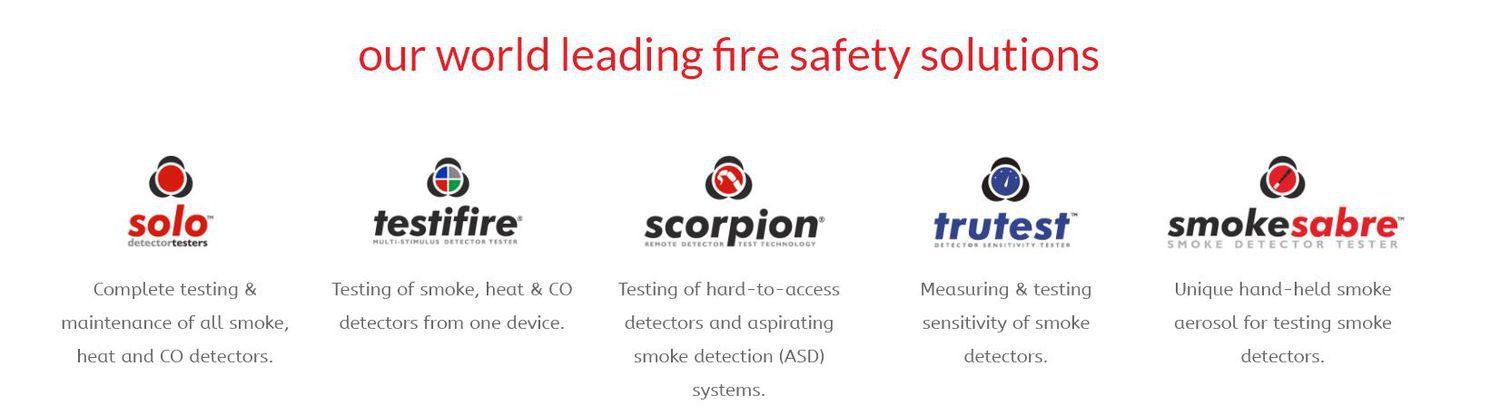
Products
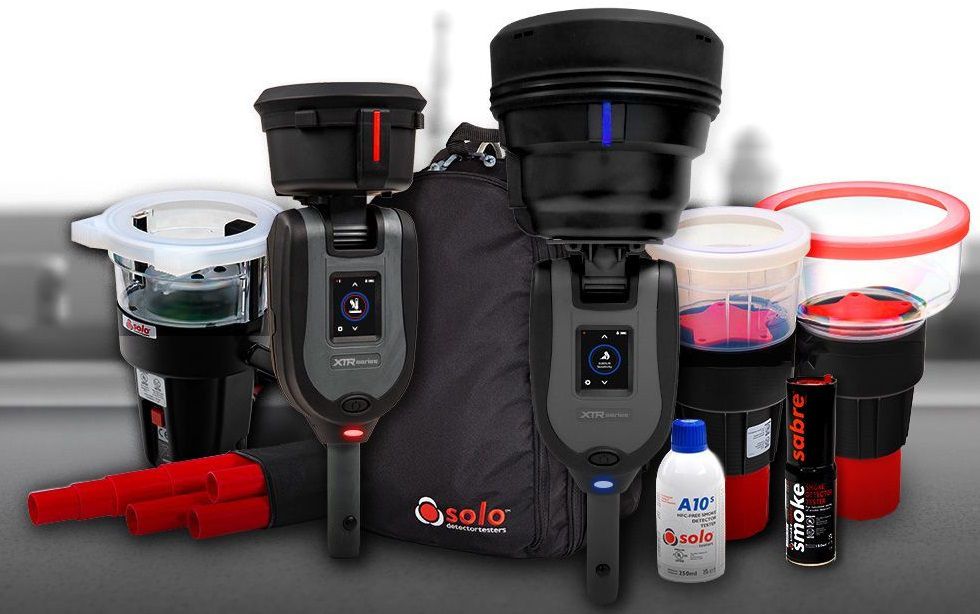
At the core are a range of products that replicate the stimuli that fire detection systems are designed to detect, thereby testing them safely to ensure they are triggered in the event of an incident.
These award-winning products have set the standard for the testing of fire detection systems and are recognised as market leaders world-wide.
Vision
Detectortesters' vision is to provide innovative, connected solutions that protect people’s lives and property.
They are committed to delivering excellence and making life safer, simpler and easier for our customers.
Values
Six core values that guide the behaviours of our employees
At Detectortesters, how they work is just as important as what they produce. They are guided by a set of six core values around the word SPIRIT, each chosen by the very people who embody them.
Safety, People, Innovation, Responsibility, Integrity and Teamwork. These values shape the core of the business, reflecting the unique blend of qualities found in every member of their international team.
Approvals
The Quality Management System is approved under ISO 9001 - making them the first and only ISO 9001-approved designer and manufacturer of detector test equipment.
Detectortesters has been certified by UL and ULC approved by leading detector manufacturers and awarded more than one Queen's Award for Enterprise.
By collaborating and partnering with detector manufacturers, specialist distributors and suppliers – and with their own in house team, the company is able to anticipate and service the needs of our customers today and in the future.