For full functionality of this site it is necessary to enable JavaScript.
EMIN.VN
0

Mechanical Engineering

Guide to Selecting Case and Sensor Materials for Pressure Gauges in Corrosive Chemical Environments
2026年10月13日 11時14分57秒

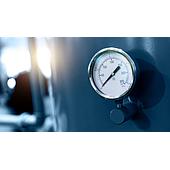
In chemical processing plants, wastewater treatment facilities, oil & gas operations, and food production, selecting the wrong material for a pressure gauge often leads to severe consequences: Bourdon tube failure, toxic chemical leaks, equipment breakdown, and serious occupational safety hazards. This article provides practical technical criteria for selecting the correct case and sensor materials when measuring pressure in corrosive environments.

Challenges of Pressure Gauges in Hydrogen Environments
2026年10月12日 16時47分15秒

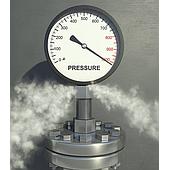
The global energy transition trend is driving industrial plants, chemical facilities, and renewable energy sites to integrate hydrogen as a strategic fuel source to achieve decarbonization goals. However, practical experience shows that traditional mechanical pressure gauges rapidly degrade in service life and experience dangerous failures when in direct contact with hydrogen environments.

The Trend of Eliminating Mechanical Pressure Gauges in Semiconductor Fabrication Plants
2026年10月12日 14時44分38秒

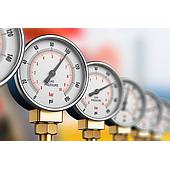
In semiconductor cleanrooms, a single microscopic dust particle or a tiny toxic gas leak is enough to ruin an entire wafer batch worth millions of dollars. This vital requirement is accelerating a complete transition from traditional mechanical pressure gauges to digital pressure sensors and electronic pressure gauges.

What is an ESD anti-static torque screwdriver?
2026年10月03日 09時36分01秒

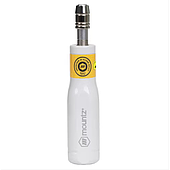
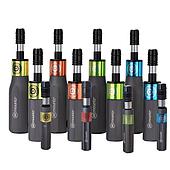
ESD-safe torque screwdrivers combine electrostatic-discharge control with controlled fastener tightening. They are useful when assembling circuit boards, microprocessors, sensors, and other static-sensitive electronic components.

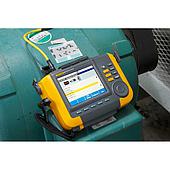
 61 Diagnosing and Eliminating Vibration to Extend Machinery Lifespan
2026年10月02日 16時40分40秒

Loosening or wear never happens overnight; it always stems from minor degradations over time. If the maintenance team waits until mechanical noise is emitted or bearings overheat before intervening, the production line already faces the risk of unexpected downtime and massive repair costs.

How Should Bolted Joints Be Tightened Effectively?
2026年10月02日 09時50分55秒

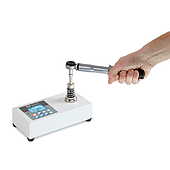
Effective bolted-joint tightening depends on calibrated torque control, torque values informed by joint testing, and a tightening sequence that distributes preload evenly. Washer fit, flange fasteners, gasket relaxation, and embedding also affect preload retention.

お得な情報を受け取る

数量割引、まとめ買い価格の更新、新製品情報をメールでお届けします。

登録することで、当社の利用規約およびプライバシーポリシーに同意したものとみなされます。

クイックサポート

認定専門家へ直接アクセス