
2026年10月02日 09時46分48秒
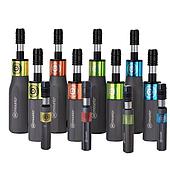
Preset torque screwdrivers support fixed, tamper-resistant settings, while adjustable models provide an external scale for changing torque requirements.
Preset torque screwdrivers support fixed, tamper-resistant settings, while adjustable models provide an external scale for changing torque requirements.
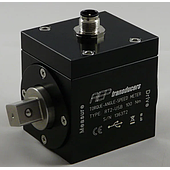
Brush rotary torque sensors use physical brush contact, while brushless designs transfer power and torque data without mechanical contact. Brushless designs can be preferable for pulse-tool testing, lower torque readings, reduced wear, and applications where brush-related limitations matter.
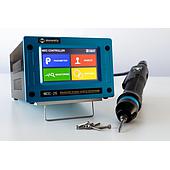
Torque-controlled assembly tools can help electronics manufacturers apply and document fastening requirements, verify bit selection, enforce sequences, and collect station-level process data.
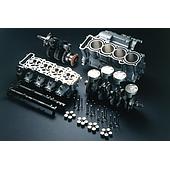
RPM may affect torque applied to an assembly joint because speed changes the duration of applied force and can change inertia. Record validated RPM settings and verify residual torque at the joint.
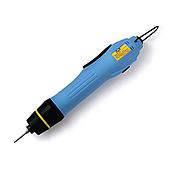
Brushless electric screwdrivers use electronic commutation rather than motor brushes. For high-volume assembly, this can reduce wear-related maintenance and support more consistent fastening operations.
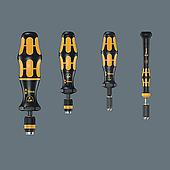
Power torque tools support controlled fastening by applying the required torque to screws. Tool selection should consider torque tolerance, speed, fastener size, controls, ESD needs, maintenance, and total cost of ownership.
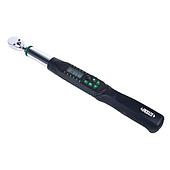
Electronics assembly calls for controlled low-range torque, ESD-safe construction, and run-down speed suited to production demand. Electronic and automation torque screwdrivers address different workflow needs.
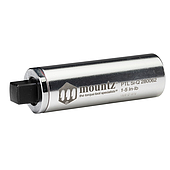
Push-to-start drivers start when the operator applies deliberate pressure to the workpiece. They can support more natural hand movement, repeatable torque application, reduced accidental starts, and faster fastening cycles in assembly, manufacturing, and maintenance work.
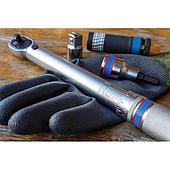
Preset torque wrenches support consistent fastening in repetitive assembly by using a fixed torque setting. Selection should consider fastener size, required accuracy, and special assembly requirements.

In many real-world operational systems, clearly distinguishing between when to use mechanical gauges and when to employ handheld electronic measuring devices is a critical challenge for maintenance teams
数量割引、まとめ買い価格の更新、新製品情報をメールでお届けします。
登録することで、当社の利用規約およびプライバシーポリシーに同意したものとみなされます。
認定専門家へ直接アクセス