For full functionality of this site it is necessary to enable JavaScript.
EMIN.VN
0

What is low voltage electricity? What are the current regulations regarding safe distances for low voltage electricity?

2026년 01월 15일 10시 24분 40초

In electrical systems, low voltage is the most commonly used voltage level, appearing directly in residential homes, factories, and commercial buildings. Understanding the concept of low voltage and knowing safe distances helps reduce the risk of electrical accidents during use and construction.

What is low voltage electricity?

Low-voltage electricity is an electrical system with a low voltage level, below 1.1 kV according to Vietnamese standards. In practice, low-voltage electricity usually operates at 220 V and 380 V, supplying power to households, offices, shops, small workshops, and public lighting systems.
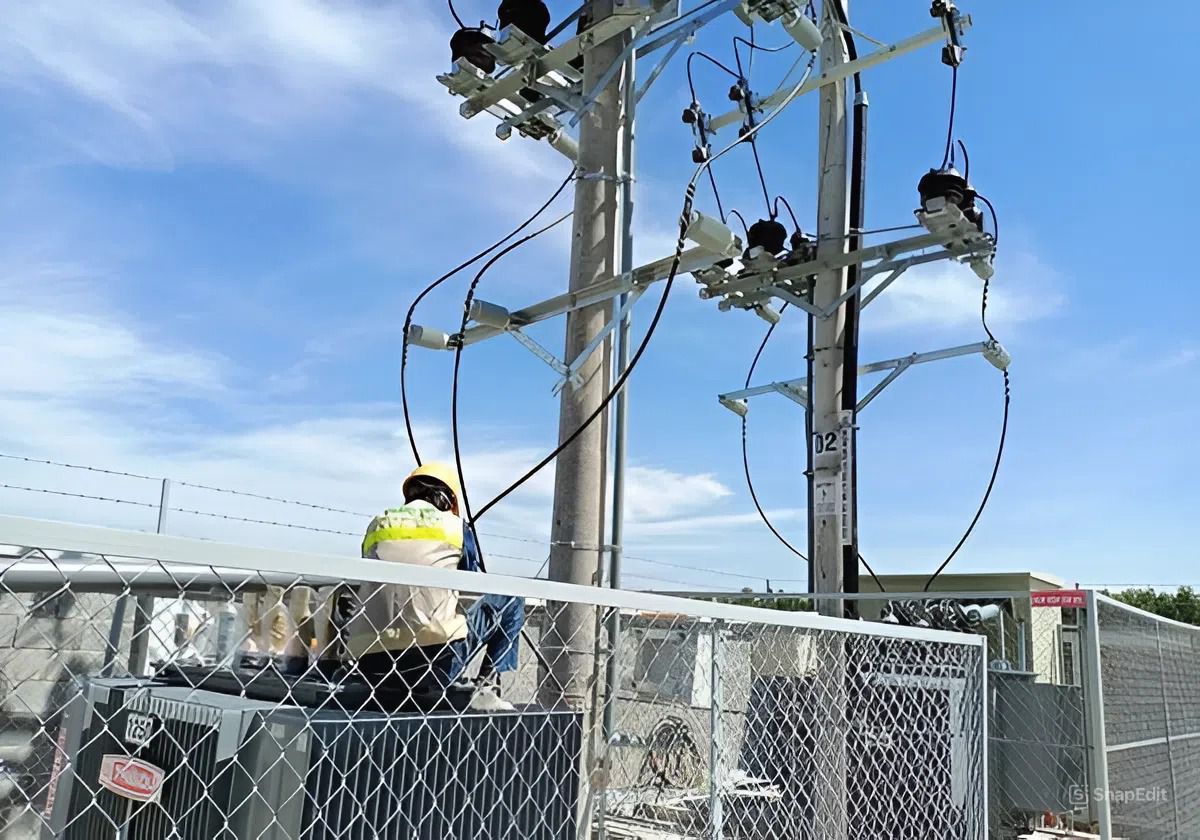
Low-voltage electrical systems typically use insulated wires, twisted-pair cables, or PVC-coated cables, installed on concrete poles or underground depending on the area. Compared to medium and high voltage electricity, low-voltage electricity has a lower level of danger but still poses risks if safety regulations are not properly followed.

Safe distance for low voltage electricity

According to applicable electrical safety regulations, overhead low-voltage power lines must maintain a minimum distance from people and surrounding structures to minimize the risk of electrical contact and discharge.

The minimum safe distance for low-voltage power lines is 0.3 m from the conductor to a person or object. This is the smallest limit for the electrical safety protection corridor; no residences or construction works should be located within this area.

At locations where low-voltage power lines intersect with roads, the distance from the lowest point of sag of the conductor to the road surface must be at least 4.5 m. This regulation aims to ensure the safety of vehicles and road users.

At intersections with operating railways, the safe distance at the lowest point of sag of the low-voltage power line must be 7.5 m or more, combined with the discharge distance according to technical standards.

On inland waterways, safe distances are determined by the clearance height of the channel, ensuring that no collisions occur between vessels and power lines.

Some safety regulations to note.

Construction projects located near low-voltage power lines must not have awnings, balconies, or metal structures that violate the electrical safety corridor. When repairing, renovating, or adding floors to a building, the distance from the existing power lines must be re-checked.

The safe distance for insulated conductors is usually greater than 1 meter. For bare conductors without insulation, the minimum safe distance required is 2 meters.

Organizations and individuals using equipment or means that damage power lines are liable for compensation and will be subject to legal penalties, depending on the severity of the violation.

Testing and measuring low voltage in practice.

To ensure the stable and safe operation of low-voltage electrical systems, regular voltage and current checks are necessary, especially in areas with frequently changing loads.

Some of the low-voltage electrical measuring devices currently distributed and used by EMIN include:

Digital multimeters are used to measure low-voltage voltage and quickly check the condition of power sources, such as the Hioki DT4256 or Kyoritsu 1109S. These devices effectively meet the needs for measuring AC and DC voltage in residential and light industrial electrical systems.

Low-voltage clamp meters allow for load testing without interrupting the circuit, suitable for maintenance and quick testing, such as the Hioki 3280 10F or Kyoritsu 2002PA. These models are widely used due to their stability and simple operation.

Conclude

Low-voltage electricity is a familiar voltage level, but one cannot be complacent during its use and installation. Strictly adhering to safe distances from low-voltage power lines and regularly inspecting the system with appropriate measuring equipment are crucial factors in minimizing accidents and protecting people and property.

관련 뉴스

Guide to Selecting Case and Sensor Materials for Pressure Gauges in Corrosive Chemical Environments
2026년 10월 13일 11시 14분 57초

In chemical processing plants, wastewater treatment facilities, oil & gas operations, and food production, selecting the wrong material for a pressure gauge often leads to severe consequences: Bourdon tube failure, toxic chemical leaks, equipment breakdown, and serious occupational safety hazards. This article provides practical technical criteria for selecting the correct case and sensor materials when measuring pressure in corrosive environments.

Measuring COD and TOC in Electroplating Wastewater Using a Benchtop Analyzer? What Sources of Error Should Be Avoided?
2026년 10월 13일 10시 55분 11초

The current situation regarding electroplating wastewater analysis presents challenges: the wastewater contains acids, alkalis, and heavy metals (such as Cr, Ni, and Cu), alongside persistent cyclic organic compounds derived from brightening agents, anti-misting additives, and degreasing solvents. This complex composition causes significant fluctuations in COD levels depending on the specific process stage and production shift. Sending samples to external laboratories results in a delay of several days—by which time the biological treatment tanks or coagulation systems may have already been operating improperly for too long. Utilizing a benchtop COD analyzer on-site reduces this turnaround time to just a few hours, provided the user fully understands the specific sources of error associated with electroplating wastewater

How to Rapidly Reduce COD in Domestic Wastewater?
2026년 10월 13일 10시 25분 11초

Wastewater treatment plants serving apartment complexes, buildings, and residential areas sometimes experience effluent COD levels approaching regulatory limits, particularly following sudden load surges or shortly before scheduled compliance sampling. QCVN 14:2025/BTNMT, applicable to domestic wastewater from September 1, 2025, sets COD limits based on discharge volume and the receiving water body, while allowing dischargers to choose between TOC and COD parameters

Challenges of Pressure Gauges in Hydrogen Environments
2026년 10월 12일 16시 47분 15초

The global energy transition trend is driving industrial plants, chemical facilities, and renewable energy sites to integrate hydrogen as a strategic fuel source to achieve decarbonization goals. However, practical experience shows that traditional mechanical pressure gauges rapidly degrade in service life and experience dangerous failures when in direct contact with hydrogen environments.

The Trend of Eliminating Mechanical Pressure Gauges in Semiconductor Fabrication Plants
2026년 10월 12일 14시 44분 38초

In semiconductor cleanrooms, a single microscopic dust particle or a tiny toxic gas leak is enough to ruin an entire wafer batch worth millions of dollars. This vital requirement is accelerating a complete transition from traditional mechanical pressure gauges to digital pressure sensors and electronic pressure gauges.

혜택 소식 받아보기

대량 할인, 도매 가격 업데이트 및 신제품 소식을 이메일로 받아보세요.

구독하면 당사의 서비스 이용약관 및 개인정보 처리방침에 동의하는 것으로 간주됩니다.

빠른 지원

인증된 전문가에게 직접 연결