Furniture paint color matching affects far more than the appearance of a single surface. In new furniture production and refurbishment work, the selected color helps establish the intended visual style and atmosphere. It also needs to be considered carefully when a repaired or newly coated area must visually align with an existing finish.
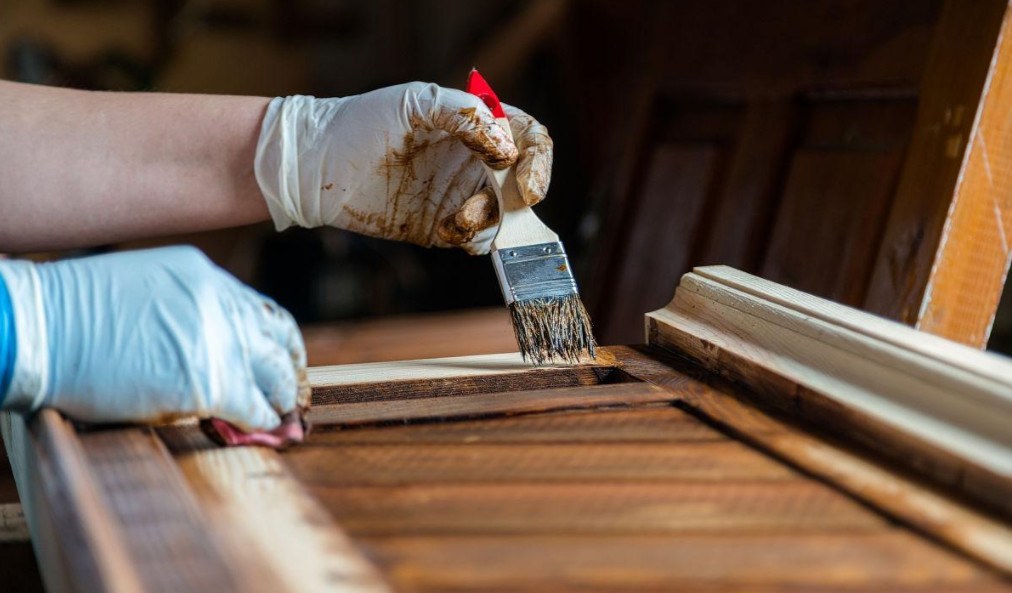
A repeatable approach to furniture paint color matching can help teams move from an initial color reference to a documented formulation and a reviewed sample. Digital color management and color matching software provide a structured way to support this process, particularly when the target color is complex or consistency is an important consideration.
Why visual paint mixing can be difficult
Traditional paint mixing commonly depends on a technician’s experience and visual judgment. Pigments or color pastes are added in varying proportions, and the mixture is checked and adjusted until it appears close to the target. This method can be useful, but it introduces several practical challenges.
- Subjective assessment: Two people may evaluate the same color differently. Visual decisions can also vary as conditions and experience differ.
- Repeated trials: Reworking a mixture through multiple adjustments takes time and uses material.
- Complex targets: Special or nuanced colors can be harder to reproduce through visual estimation alone.
These limitations do not remove the value of skilled technicians. Instead, they show why a more organized workflow can be helpful. A technician can combine practical knowledge with recorded color information, calculated formulations, and sample review.
How digital color management supports the process
Color matching software uses digital information to assist with the management and control of color. Depending on the workflow, users can enter color parameters or work from a sample, then use the resulting information to guide formulation decisions. The objective is to make color work easier to review, repeat, and refine.
Color references and databases
A color database provides a starting point for common and special color references. Rather than beginning every task from memory alone, the user can select or compare a target within an established set of color data. This can make the early selection stage more organized.
Formula calculation
Color matching algorithms can calculate pigment or color-paste proportions from the color information provided. The calculated result should be treated as a practical formulation guide for producing a trial mixture. It gives the technician a clearer basis for mixing and later adjustment than an undocumented visual estimate.
Preview and sample evaluation
Software with preview capability enables users to review a proposed matching result during the workflow. A physical sample remains important because the coating needs to be evaluated in the context of the furniture project. Reviewing the sample before final application helps the team decide whether further adjustment is needed.
A practical workflow for furniture paint color matching
- Define the target: Identify the color that the project needs to achieve, whether it is a selected reference or an existing sample.
- Capture and organize data: Record the relevant sample and color information in the digital workflow.
- Create formulation options: Use the software output to prepare one or more candidate formulas based on the available pigments or color pastes.
- Produce a sample: Mix and prepare a sample for review rather than moving immediately to the full furniture piece.
- Evaluate and adjust: Compare the result with the target, then refine the formulation where necessary.
- Retain the final record: Store approved sample and formula data to support future matching work.
Benefits of keeping color and formula data
Electronic sample and formula records can make a color-matching workflow easier to manage. When a project requires a repeat color or a later touch-up, documented information provides a reference for the team. It can also support communication between color selection, mixing, and sample-making activities.
The source process also notes that multiple matching schemes may be generated for review. This gives users options to assess against their own cost and practical requirements. In some cases, the workflow can support matching with waste materials or older materials, which may be relevant when material use is being considered.
Choosing a balanced approach
Digital tools are most useful when they support, rather than replace, a disciplined paint process. Start with a clearly defined target, use color matching software to organize data and develop formulation options, and evaluate a prepared sample before final use. This approach brings together technician judgment, digital color management, and documented color information for a more controlled furniture paint color matching workflow.