A torque control program helps manufacturing and assembly teams apply, monitor, and verify torque on threaded fasteners in a controlled way. Its central purpose is to reduce the risk of fasteners working loose from insufficient torque or suffering thread damage or breakage from excessive tension.
Effective control is not limited to selecting a tool. It also depends on matching the tool to the application, checking its setting over time, maintaining its condition, and using testing equipment to confirm performance.
Summary: Select torque tools according to the fastener, material, required torque, and output needs. Check calibration at planned intervals. Track use and wear for maintenance. Use torque testers or analyzers for verification.

Why does torque control matter for threaded fasteners?
Torque control matters because both under-tightening and over-tightening can create assembly problems. A fastener with inadequate torque may vibrate or work loose, while excessive tension may cause the fastener to snap or strip its threads.
For production work, controlling or measuring torque supports more consistent fastening decisions. This is particularly relevant where product quality, workplace safety, and reliable assembly outcomes depend on a specified torque setting.
How should a torque tool be selected for an assembly application?
Select a torque tool based on expected production output, the materials being joined, the required torque, and the specified fasteners. The tool should suit the actual fastening task rather than being chosen only by its general type.
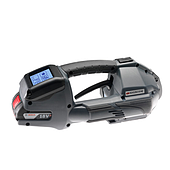
Available tool categories can include electric screwdrivers, industrial torque wrenches, torque analyzers, torque sensors, and torque multipliers. Lighter materials such as wood or plastic may call for lightweight tools, whereas steel applications may require stronger or larger equipment.
| Application consideration | Selection implication |
|---|---|
| Production output | Choose a tool that fits the anticipated volume of assembly work. |
| Joined material | Match the tool’s size and strength to materials such as plastic, wood, or steel. |
| Required torque and fastener | Use a tool capable of applying or measuring the specified setting. |
| Need for assembly data | Consider tools with connections such as USB, RS-232, or other cabling connections. |
What indicates that a torque tool has reached its specified setting?
Torque tools can use calibrated setting mechanisms that are factory preset or defined by the user. When the specified setting is reached, the tool may provide a visual, audible, or tactile signal.
That signal supports the fastening process, but the setting should still be checked periodically. A tool without a locking device may be changed by users and fall out of adjustment.
How often should torque calibration be checked?
Calibration should be checked periodically through an interval based initially on the severity of the application and the tool manufacturer’s recommendations. This allows quality personnel to identify divergence from the intended setting caused by normal slippage over time or changes made to the tool.
If applied torque values are out of range, the stated approach is to halve the calibration interval and retest the tools. The suitable interval is therefore a controlled process decision, not a single universal schedule.
Note: Calibration intervals should reflect application severity and the relevant manufacturer recommendations. Out-of-range applied values warrant a shorter interval and retesting.
What should preventive maintenance for torque tools include?
Preventive maintenance should include periodic checks for wear and defective parts so that tool accuracy can remain consistent. Monitoring cycles per day and total operating hours provides a basis for establishing maintenance intervals.
The source guidance recommends service after 100,000 cycles, or earlier when inspection finds old or dry grease, excessive parts wear, or loose screws and bolts. A structured program can also reduce unexpected downtime by addressing condition issues before they interrupt work.
When should a torque tester or torque analyzer be used?
A torque tester can be used to calibrate torque tools to their proper settings, while a torque analyzer can provide quick checks on the production line or in a laboratory. These checks help determine whether a tool is holding its intended setting.
Torque analyzers may also be used to calibrate torque sensors and verify torque on fasteners. For recorded quality work, the source notes that an analyzer should have enough memory for several hundred readings and retain calibration data for multiple torque transducers.
What are the practical elements of a torque control program?
A practical program brings four activities together: choose the appropriate tool, establish periodic calibration checks, perform preventive maintenance, and verify settings with testing equipment. Each activity addresses a different source of variation in fastening work.
Documenting the selected setting, test readings, use cycles, operating hours, and inspection findings gives quality personnel information to decide when corrective action is needed. This approach keeps the focus on controlled fastening rather than relying on an assumed tool setting alone.