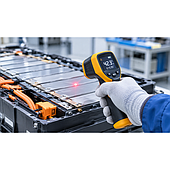
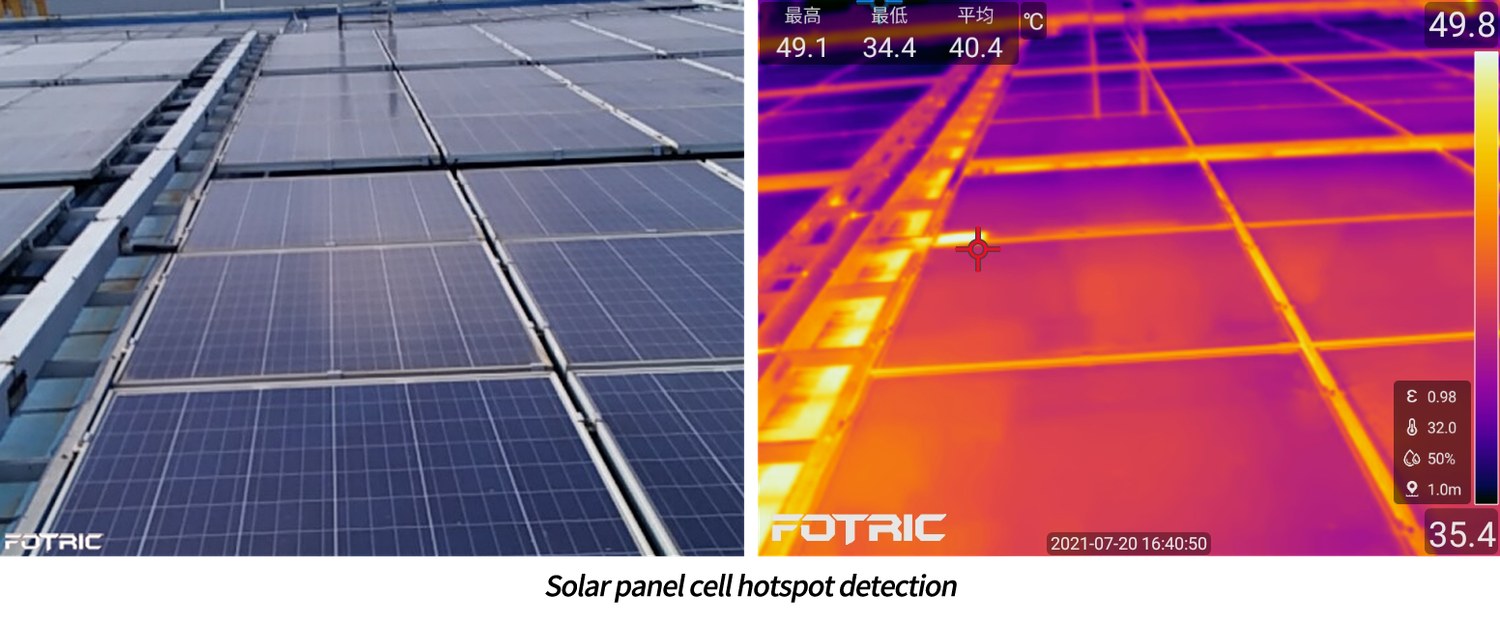
Thermal cameras for PV inspection help maintenance teams locate temperature anomalies while a photovoltaic system is operating. Electrical and mechanical problems can convert excess energy into heat, allowing abnormal areas to stand out in a thermal image.
This approach supports inspection of solar panels and related PV equipment when reduced energy output, installation quality, or suspected defects need to be assessed. A thermal image indicates where to investigate further; it does not by itself establish the root cause of every anomaly.
Summary: Thermal imaging can reveal PV temperature anomalies during operation. Hotspots may be associated with panel, connection, junction-box, inverter, or battery issues. Fotric 326M and Fotric 348A offer different stated thermal resolutions for PV inspection.
Why are thermal cameras used to inspect PV systems?
Thermal cameras are used because many PV faults can appear as localized or unusual heat patterns during operation. This provides a quick way to screen panels and associated equipment for areas that require closer inspection.
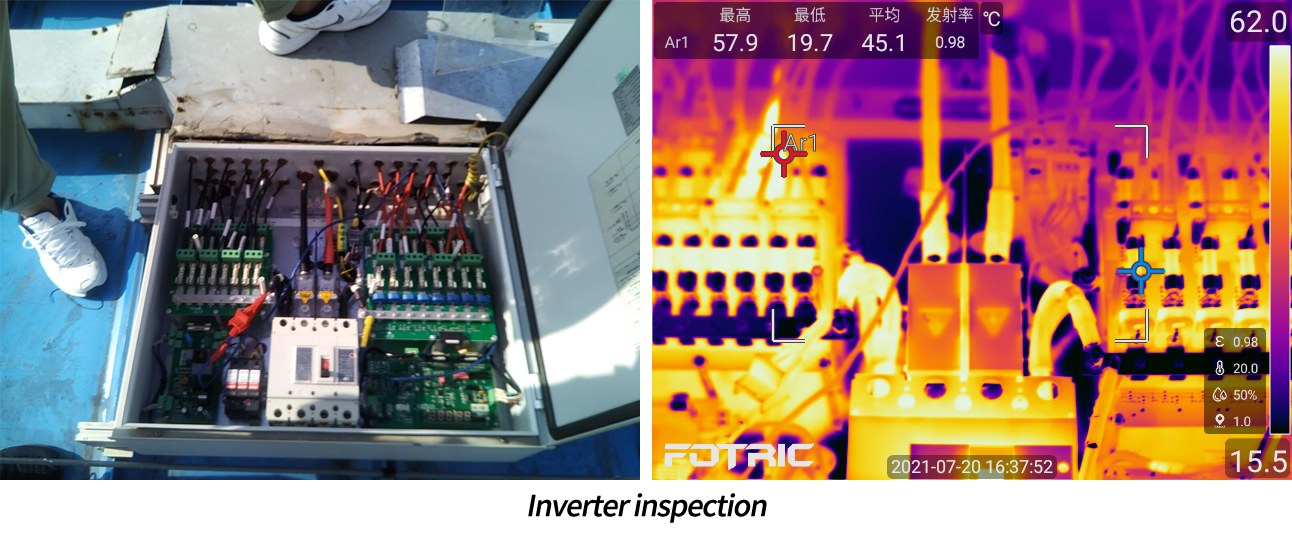
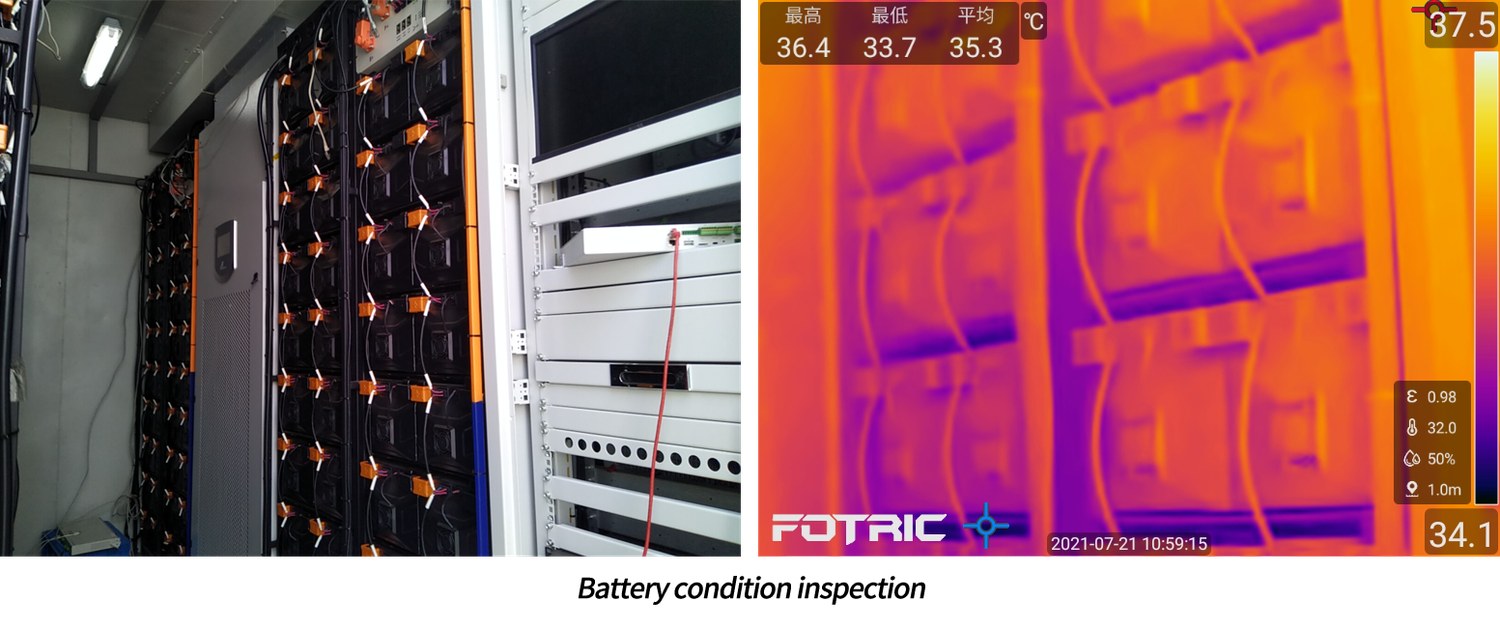
Issues described for PV systems include cracks, delamination, shunt-resistance problems, dust or dirt accumulation, bubbles, panel circuit problems, corroded connections, burned diodes in junction boxes, inverter issues, and battery degradation. Their effect on output can differ, so thermal findings should be evaluated in the context of the specific installation.
What PV problems can appear as thermal anomalies?
Electrical and mechanical issues may appear as thermal anomalies when excess energy is converted into heat. In practical terms, an inspector may look for hotspots or temperature differences across a panel, connection, junction box, or other operating component.
| PV area or issue | Potential thermal inspection relevance |
|---|---|
| Solar panel | Cracks, delamination, bubbles, circuit problems, and anti-reflective coating defects are among the observable issues described. |
| Electrical connections and junction box | Corroded connections and burned diodes may be associated with abnormal heat. |
| Other PV equipment | Inverter issues and battery degradation are listed among factors that can hinder PV energy output. |
When should solar panels receive thermal analysis?
Thermal analysis can be especially useful soon after installation and before warranty expiration, when installation faults or manufacturing-related defects are a concern. The source notes that installation quality and manufacturing quality can influence panel lifespan.
A temperature difference of 18°C may result in a 10% power loss for a panel and may significantly shorten expected lifespan. This figure describes a possible effect rather than a universal outcome for every panel or operating condition.
Note: Thermal observations are most meaningful when the PV system is operating, because the relevant electrical and mechanical issues may then manifest as temperature anomalies.
How do Fotric 326M and Fotric 348A differ for PV inspection?
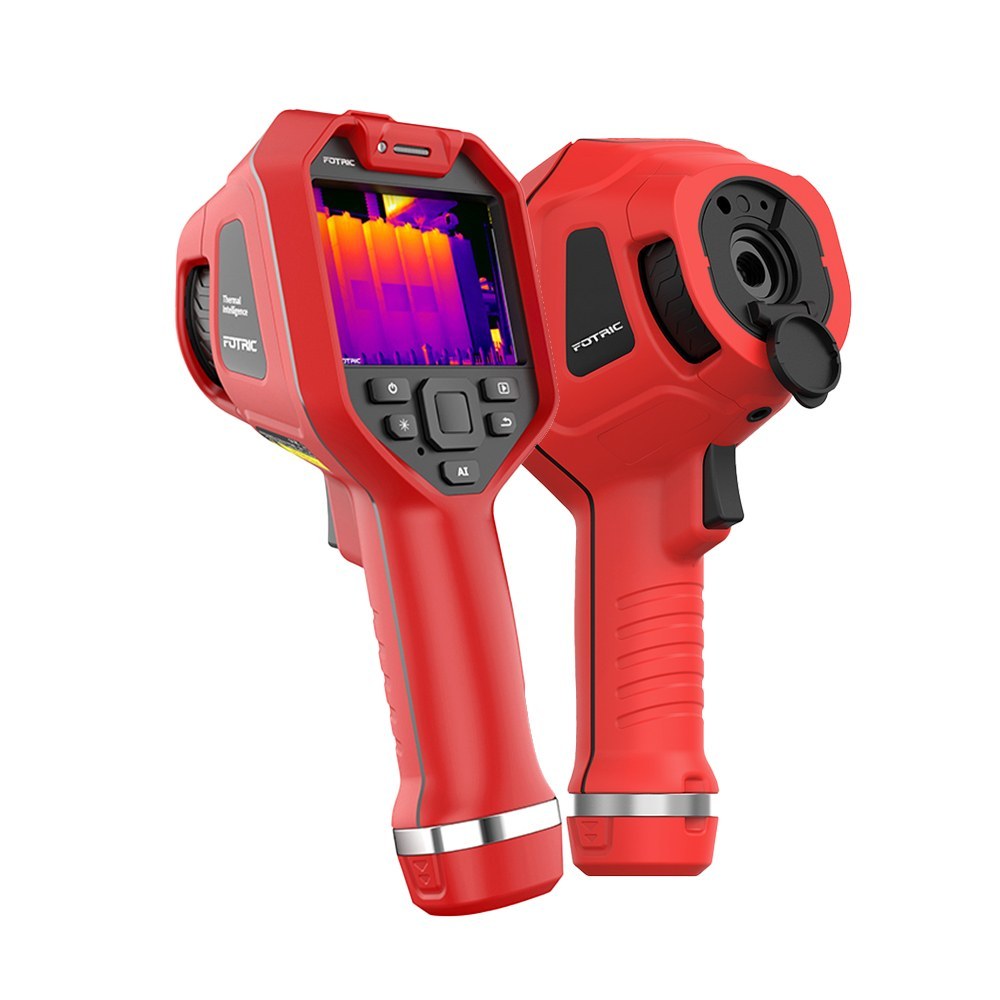
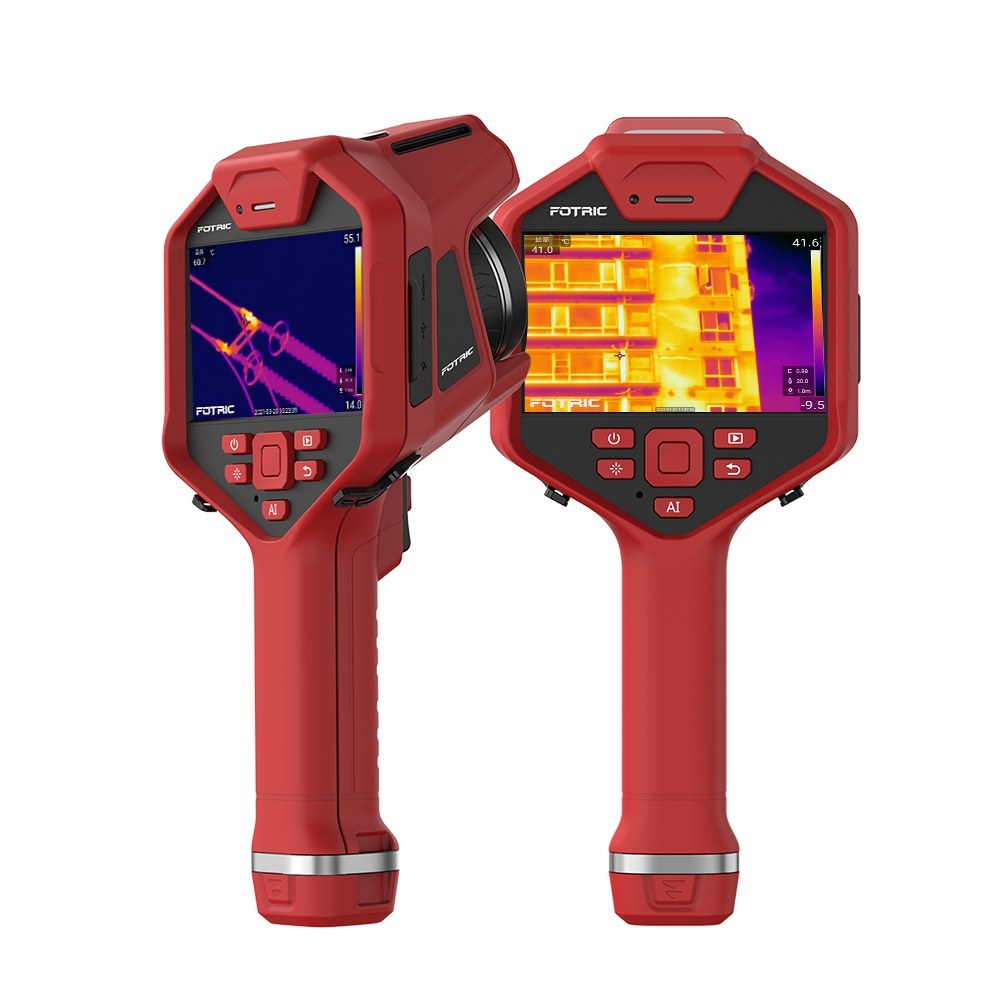
Fotric 326M is described with 384x288 thermal resolution and an 8MP digital camera, while Fotric 348A is described with 640x480 thermal resolution. Based on the supplied product information, Fotric 348A is positioned for larger field inspections that require finer detail.
| Model | Stated imaging specification | PV inspection positioning in the supplied information |
|---|---|---|
| Fotric 326M | 384x288 thermal resolution; 8MP digital camera | Can identify hotspots and observable faults such as delamination, cracking, bubbles, and anti-reflective coating defects. |
| Fotric 348A | 640x480 thermal resolution | Recommended for larger field inspections that demand finer detail. |
What does SuperResolution add to PV thermal inspection reports?
The supplied information states that Fotric thermal cameras include SuperResolution, which can quadruple the thermal resolution of solar-panel images in reports. This can provide more detailed report images for inspectors documenting observed thermal patterns.
For a useful inspection record, pair the thermal imaging with the panel or equipment location and the observed anomaly. Follow-up assessment can then focus on the component indicated by the temperature pattern.