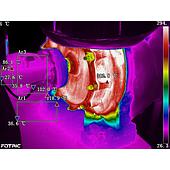
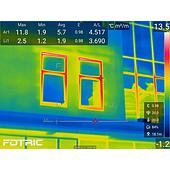
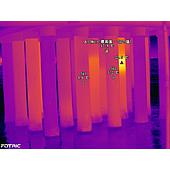
Thermal imaging for radiant HVAC inspection helps show temperature patterns at the floor surface, making areas with different heating behavior easier to locate than with a visual check alone. This can be useful where heating rods or hot-water pipes are installed beneath tiles and concrete blocks.
For radiant floor systems, the most useful inspection conditions are those that create clear thermal contrast. Uneven patterns can indicate an area that needs closer assessment, but a thermal image should be treated as inspection evidence rather than a stand-alone diagnosis.
Summary: Thermal imaging visualizes surface temperature differences in radiant heating. Inspect after the system has run for 10–15 minutes on a cold night. A resolution of 384x288 or higher may help distinguish pipes.
What can thermal imaging reveal in a radiant HVAC system?
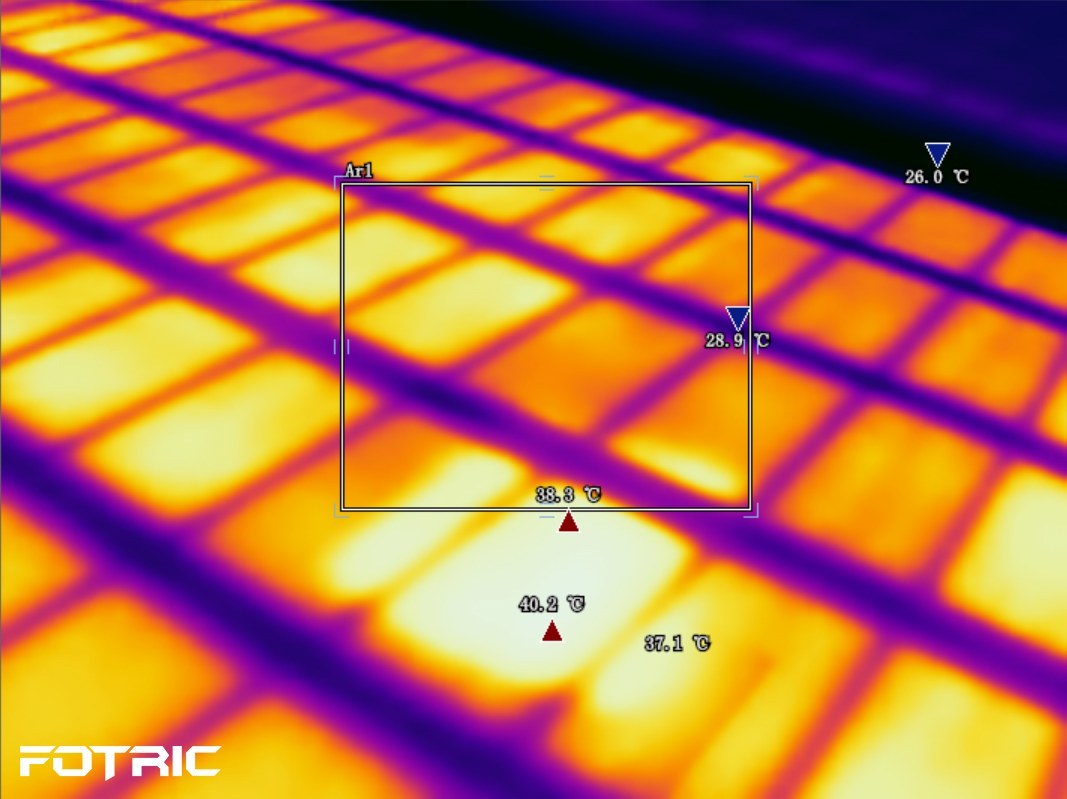
Thermal imaging can reveal differences in heat distribution above radiant floor heating components. Since heating rods or hot-water pipes are commonly positioned between tiles and concrete blocks, their condition is difficult to judge directly through a normal visual inspection.
A section that heats differently from surrounding areas may warrant further investigation. Defects in individual floor sections can reduce the system's warming effect and, in serious situations described for pipe-based systems, may affect the floor's long-term integrity.
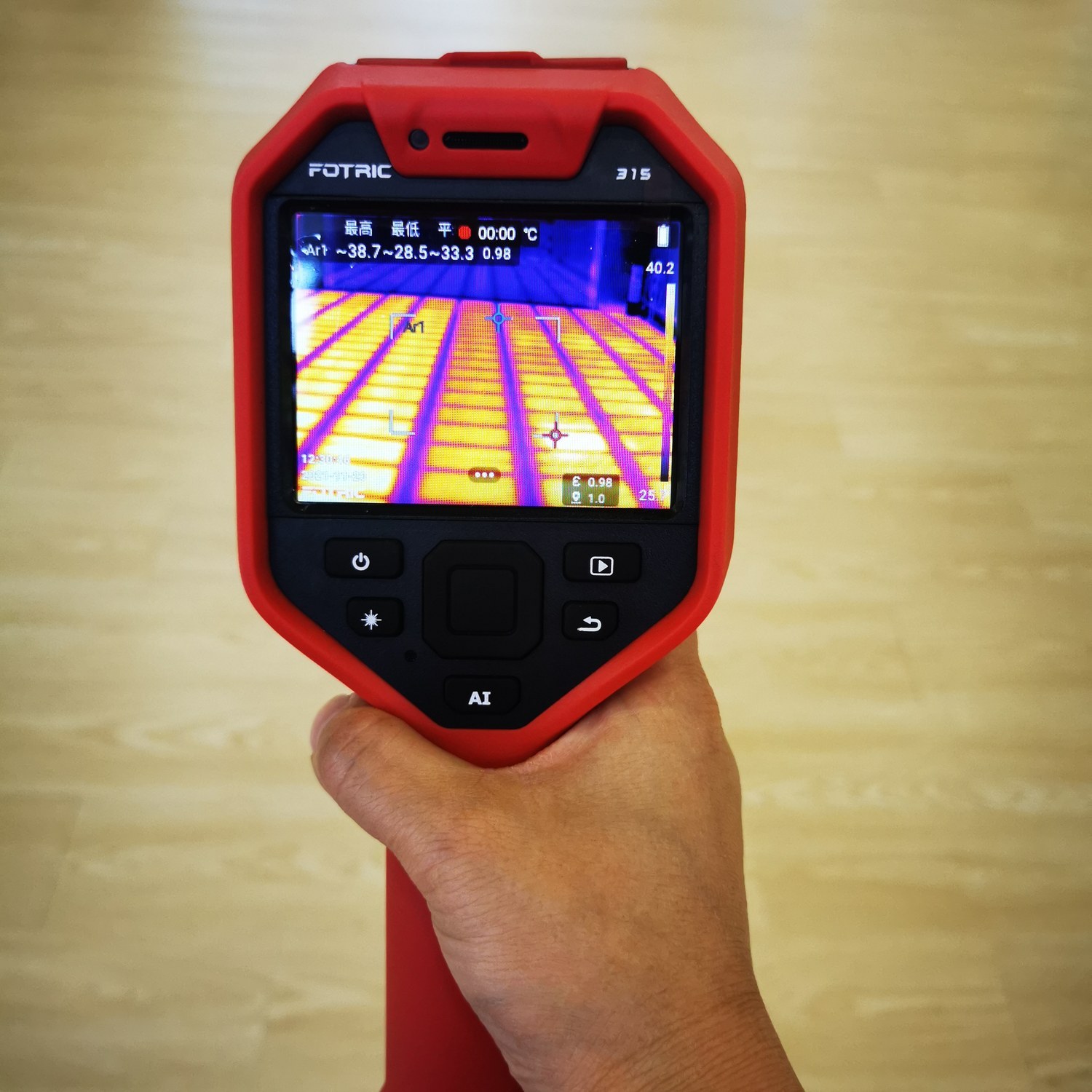
When should a radiant floor heating system be inspected with a thermal camera?
A practical time for inspection is on a cold night, after turning on the floor heating system and waiting 10–15 minutes. This timing is intended to provide a noticeable difference between the warmth from the heating components and the cooler floor surface.
At approximately 10 minutes, heat from rods or pipes may begin reaching the surface tile without making the whole tile appear at the same temperature. If the surface becomes too uniform in temperature, it can be more difficult to distinguish the heating pattern.
Why does temperature contrast matter during thermal HVAC inspection?
Temperature contrast matters because a thermal imager displays differences in emitted thermal patterns. In radiant heating inspection, a clearer contrast can make pipe or rod paths more distinguishable at the floor surface.
Inspection conditions therefore influence how easily a pattern can be interpreted. Running the heating system briefly in cold conditions is presented as a way to make the heat transfer pattern visible before the floor surface becomes broadly isothermal.
What thermal resolution may help distinguish radiant heating pipes?
For this application, thermal imagers with a resolution of 384x288 or higher may provide enough detail to distinguish between pipes. Distinguishing individual pipe paths can make it easier to narrow an observed thermal concern to a particular pipe area.
This resolution guidance does not by itself confirm the cause of a heating issue. It supports visual separation of thermal features, while any suspected leakage or defect requires appropriate follow-up assessment.
Why inspect water-heater electrical connections thermally?
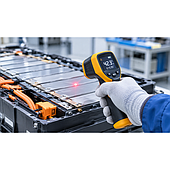
Higher water-heater workload can exacerbate an existing electrical connection issue. Periodic thermal camera is therefore described as important for identifying potential electrical safety hazards.
In a complex environment, a thermal/visual duo lens system can support anomaly spotting by combining thermal and visual information. The provided material associates this capability.
Note: Thermal inspection can help locate patterns that deserve attention, but the supplied information does not establish that a thermal pattern alone confirms a leak, electrical fault, or specific component failure.