Color matching machine helps manufacturers manage the visual consistency of components that occupants see and touch every day. Dashboards and seat fabrics may be produced from different materials and processes, yet their colors need to appear coordinated in the completed vehicle. A portable spectrophotometer provides measurement data that can support this work at key points, from incoming-material checks to final inspection.
Why automotive interior color control requires measurement
Visual evaluation remains useful, but it can be affected by lighting conditions and individual perception. Instrumental color measurement adds a quantitative reference for comparing a production sample with an approved standard. Teams can use this information to identify variation, document inspection results, and investigate where a deviation may have entered the process.
For automotive interiors, this matters because dashboard plastics, coated surfaces, and textiles respond differently to materials and processing conditions. A color-control program can establish checkpoints and defined acceptance limits for each relevant stage. When a result falls outside the internal requirement, recorded measurements can support a traceability review rather than relying solely on a final visual check.
Managing dashboard color variation
Dashboard components are commonly plastic. Differences between raw-material batches, including additives and color masterbatches, can contribute to color variation. Injection molding conditions such as temperature and pressure, along with mold condition, may also influence the appearance of a molded part. Subsequent processes, including spraying or coating, introduce further opportunities for variation.
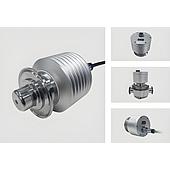
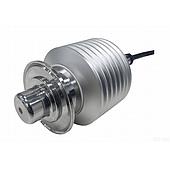
The DS-700C portable colorimeter is described as providing spectrophotometric color measurement. During incoming inspection, teams can compare samples from different material batches against a standard reference. Reflection spectrum data and spectral-curve comparisons can help highlight potential differences before material is released to production.
On the production line, measuring semi-finished dashboard parts enables checks close to the molding process. The source data also indicates that DS-700C includes multiple standard light-source modes, helping users evaluate color performance under different lighting conditions. If a deviation is found, the measurement record can be reviewed alongside process settings such as temperature and pressure, as well as the condition of the mold.
After spraying or coating, measurement can support evaluation of the finished surface. Color values and color-difference formulas provide data that technicians can use when reviewing coating ratio, spray thickness, and related process conditions. The goal is not to assume a single cause of variation, but to give the production team a consistent basis for investigation and adjustment.
Controlling color differences in seat fabrics
Seat fabrics present a different set of challenges. Natural and synthetic fibers can be affected by dye concentration, water temperature, dyeing time, and pH during dyeing. Inherent differences between fiber batches may also be present. Later cutting and splicing can create visible variation when fabric texture or orientation differs between sections.
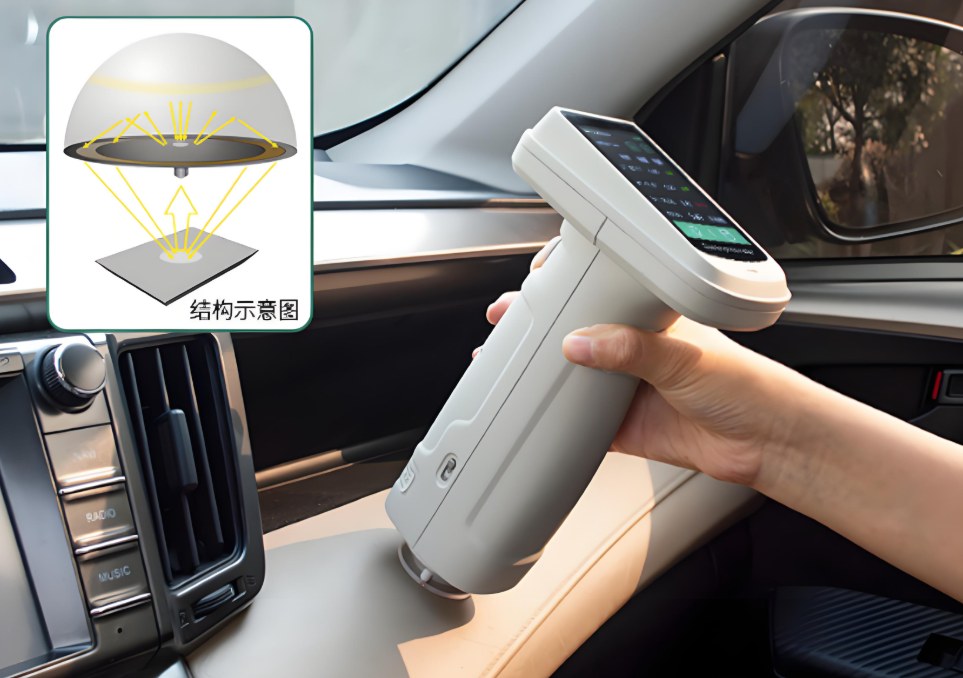
The DS-700D portable colorimeter is described as having eight measurement apertures. For small fabric samples before dyeing, selecting a larger measurement area can help address the uneven texture and yarn distribution found in textiles. Comparing the measurement with a standard color sample provides a data point for reviewing subsequent dyeing conditions.
During fabric dyeing, portable measurement supports sampling at multiple positions across a wide fabric width. Localized differences can then be identified for process review, including dye circulation and temperature distribution in the dye vat. Measuring separate fabric batches can also support decisions during blending and matching activities.
Before cutting and splicing, the source describes using measurement-area images displayed on the DS-700D screen to assist fabric selection. Matching sections with similar measured color can help support a more visually consistent result after assembly.
Build color checks into the full production process
A structured automotive interior color control workflow can include incoming raw materials, semi-finished components, treated surfaces, dyed fabrics, and final assembled interiors. At each checkpoint, the organization can define a test method, a comparison standard, and an internal color-difference threshold appropriate to that stage.
Portable instruments such as DS-700C and DS-700D can be used where measurements are needed, including beside the production line. Recording the results at each stage creates a history that can be used if a final inspection identifies a mismatch between dashboard parts and seat fabric. The review can then consider materials, production conditions, equipment status, and inspection procedures.
Using measurement data to support consistent interiors
Spectrophotometer does not replace process management; they provide measurement data for it. By combining defined inspection points, approved standards, consistent procedures, and recorded results, automotive manufacturers can create a clearer process for managing interior color variation. This approach supports more consistent dashboard and seat-fabric appearance across batches and helps teams respond methodically when color differences are detected.