
For full functionality of this site it is necessary to enable JavaScript.
EMIN.VN
0

Phone temperatures rise when used outdoors in the sun, and here are some effective ways to reduce the heat.

2026년 03월 10일 09시 20분 46초

As summer approaches, with its intense sunshine, many people notice their phones heating up quite quickly, even after only short periods of use. When shooting videos outdoors, taking photos, or using mobile data continuously, if the phone's frame isn't made of aluminum, the heat is noticeably noticeable. Increased phone temperature also causes the battery to drain faster than usual.

This is quite common in areas with hot climates like Vietnam. When direct sunlight hits the phone, the heat from the environment combines with the heat generated when the phone is in operation, making it difficult for the device to cool down.

Is it unusual for my phone to get hot in the sun?

Most modern phones are designed to function well in cool environments or at room temperature. When the ambient temperature rises, the phone will still operate but will overheat more easily.

Many people have experienced their phone slowing down or the screen dimming after using it outdoors for a while. This is a fairly normal reaction as the phone automatically reduces its activity to prevent overheating.

If it only gets slightly warm and returns to normal after letting the phone rest for a while, users don't need to worry too much.

Habits that make your phone heat up faster

When outdoors in the sun, certain usage habits can cause your phone to heat up faster than usual.

Continuously recording videos or taking photos is a common example. Prolonged camera activity causes the phone to process more data, leading to increased heat.
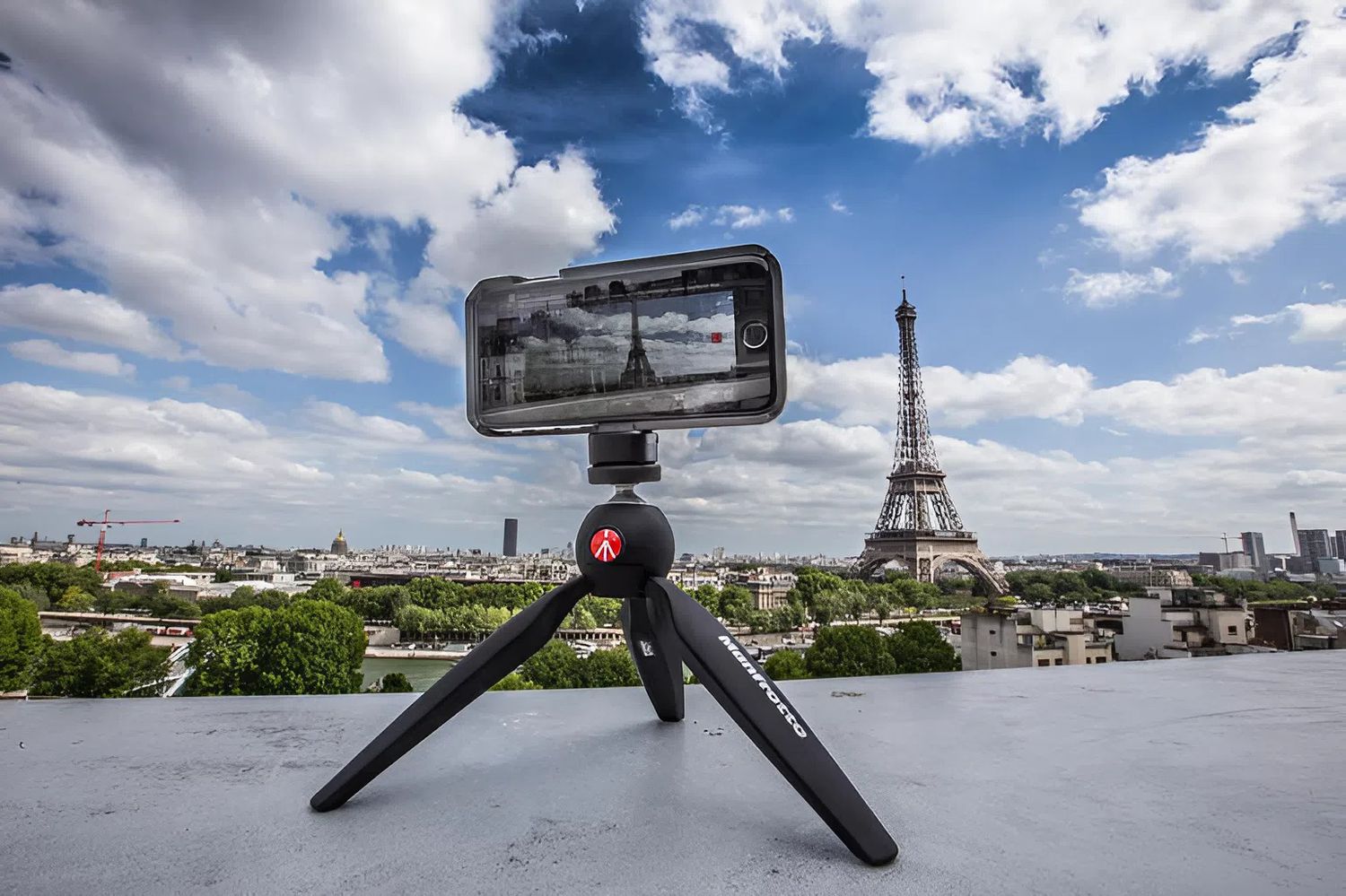
Playing graphically intensive games or constantly using mobile data also causes the phone to work harder. The screen often needs to increase brightness outdoors, further increasing the amount of heat generated.

Additionally, thick phone cases sometimes trap heat inside the device, causing the phone to cool down more slowly.

How hot can a phone get outdoors?

When air temperatures rise, the surfaces of many objects placed in the sun tend to get significantly hotter. Phones are no exception.

Several real-world tests have shown that phone surfaces can heat up considerably when placed in intense sunlight for extended periods. These tests sometimes use thermal cameras to observe the hottest areas on the device. For example, the Fluke TiS20+ thermal camera can clearly show which parts of the phone are radiating more heat.

Thermal imaging often shows the area behind the device becoming noticeably hot after prolonged outdoor use.

How to keep your phone from overheating when using it outdoors
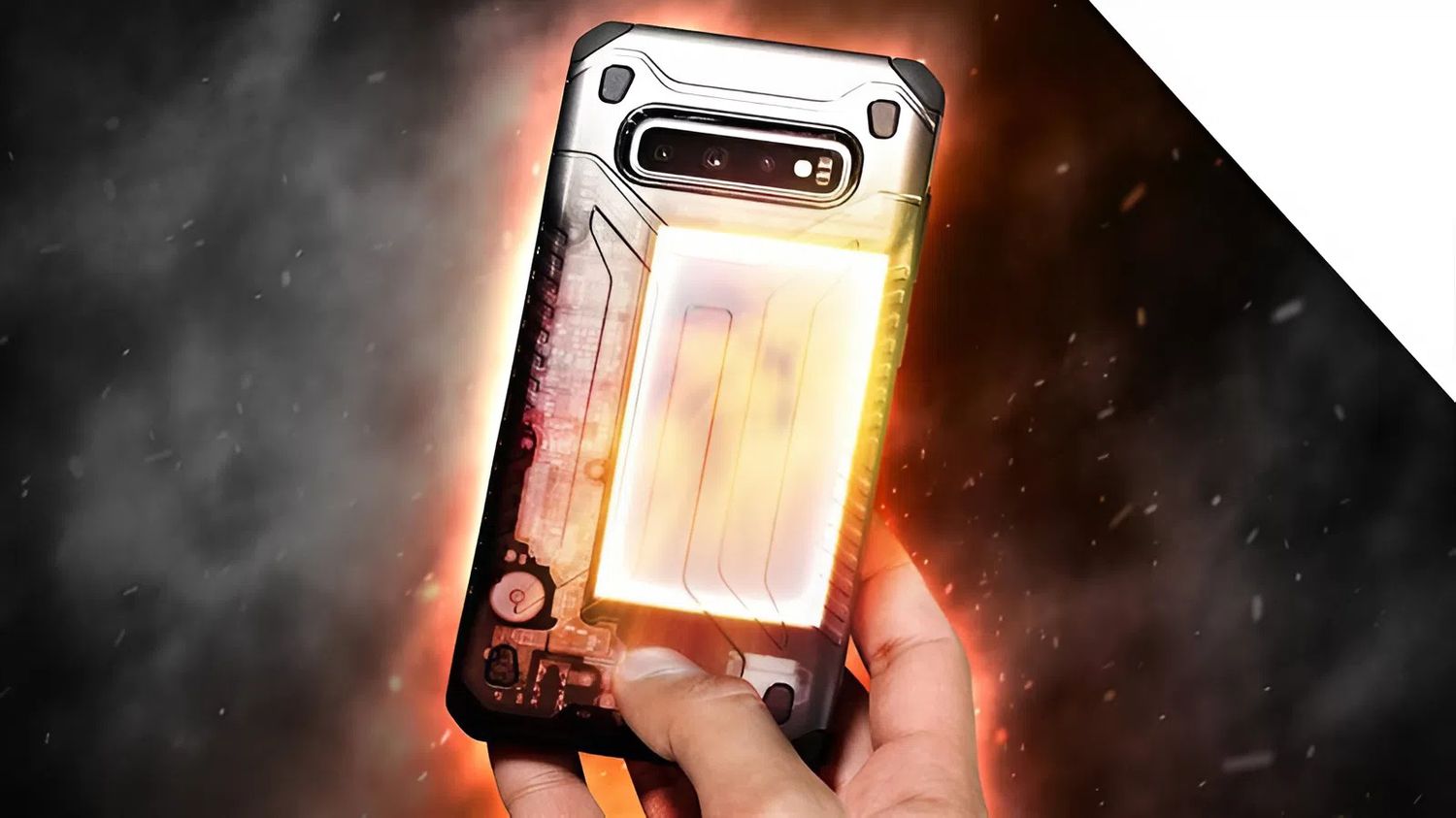
A few simple habits can significantly help your phone stay cooler when used in direct sunlight.

First, limit direct sunlight exposure to your phone. Simply placing it in a shaded area or shielding it with your hand will help reduce heat absorption.

If you need to record videos or take photos, take a few minutes' break after a period of use to allow the phone to cool down naturally.

Removing the phone case when the phone is hot also helps the device dissipate heat more easily. Many people have noticed their phone cools down faster after removing the case.

Additionally, you can reduce screen brightness or turn on battery saver mode when using the phone outdoors for extended periods.

What to do when your phone is noticeably hot?

When your phone gets noticeably hot, the simplest solution is to stop using it and let it cool down in a cooler place. After a while, the temperature will gradually decrease, and the phone will function normally again.

Avoid cooling your phone too quickly by placing it in the refrigerator or in a place with very low temperatures. Sudden temperature changes can sometimes cause moisture to build up inside the device.

Allowing the phone to cool down naturally is still the safest and most effective method.

관련 뉴스

What Is Fiber Polarity and How Do You Choose an MPO Method?
2026년 11월 14일 11시 35분 16초

Fiber polarity ensures the transmit path connects to the corresponding receive path. For MPO-based duplex channels, the selected method must remain consistent across trunks, cassettes, adapters, and patch cords.

The scent of new wood in a newly handed-over apartment: How to measure and address formaldehyde (HCHO) levels before moving in
2026년 11월 14일 10시 28분 19초

Many people refer to the pungent, acrid odor that emerges when opening a new cabinet as the "smell of new wood," assuming it will simply dissipate after a few days. In reality, however, what is being released could well be formaldehyde—a substance originating from the adhesives used in the pressed-wood panels—and our sense of smell is not a reliable enough gauge to determine the concentration levels present

Guide to Selecting a TCLP Toxicity Characteristic Leaching Procedure Shaker Configuration in Compliance with QCVN 07:2025/BNNMT and TCVN 9239:2012
2026년 11월 13일 17시 23분 39초

Regulation QCVN 07:2025/BNNMT (replacing QCVN 07:2009/BTNMT and QCVN 50:2013/BTNMT) specifies hazardous waste and sludge thresholds based on leachate concentrations. To ensure that analytical results for heavy metals and organic compounds are accepted during ISO/IEC 17025 or VIMCERTS assessments, laboratories must comply with the Toxicity Characteristic Leaching Procedure (TCLP) specified in TCVN 9239:2012, which is equivalent to US EPA Method 1311

Checking the Temperature of Paint and Coating Surfaces After Curing Using an Infrared Thermometer
2026년 11월 13일 16시 11분 22초

An infrared thermometer allows surface temperature measurement without direct contact, making it suitable for products coming out of curing ovens or surfaces that are difficult to access. However, to ensure reliable results for production quality control, it is important to understand the measurement principle and the factors that affect measurements on painted and coated surfaces.

Crowded Gyms and Yoga Studios: How to Manage Air Quality to Retain Members
2026년 11월 13일 15시 07분 40초

Around 6 or 7 in the evening, the gym becomes packed; the music drowns out the sound of heavy breathing, and the air conditioning runs at full blast behind closed doors. At first glance, everything seems fine: the room is cool, the lights are bright, and the equipment is state-of-the-art. Yet, after just a few sessions, regular members begin to feel a heavy-headedness and find themselves running out of breath more quickly eventually, they simply stop renewing their memberships. No one complains about the personal trainers or the exercise machines. The very thing that makes them feel stifled and drives them away is something entirely invisible: the air inside the room

혜택 소식 받아보기

대량 할인, 도매 가격 업데이트 및 신제품 소식을 이메일로 받아보세요.

구독하면 당사의 서비스 이용약관 및 개인정보 처리방침에 동의하는 것으로 간주됩니다.

빠른 지원

인증된 전문가에게 직접 연결



