In heating process, ash analysis, and high-temperature material processing, operators often focus only on the final temperature of furnace. As long as the furnace reaches 800°C, 1000°C, or 1200°C as programmed, the process is generally considered technically accurate. This is also why two laboratories using the same furnace model, identical temperatures, and the same holding time can still produce significantly different firing or analysis results.
When Furnace Accuracy Is No Longer Defined by Temperature
In thermal engineering, furnace accuracy is not determined solely by how many degrees Celsius the chamber reaches. What matters even more is how the material experiences the heating process before reaching that temperature.
A well-designed thermal profile can stabilize material structure, reduce thermal stress, minimize oxidation, and improve consistency between firing cycles. On the other hand, even a slight mismatch in heating rate can alter the entire outcome of a thermal process, despite the controller still displaying the “correct” temperature.
The Error Begins with Thermal Inertia Inside the Furnace
Not all materials absorb heat at the same rate. A thin powder sample may reach thermal equilibrium quickly, while dense materials or large solid components require much longer for heat to penetrate into the core.
If the PID controller drives the temperature upward too aggressively from the beginning, the sensor may indicate that the furnace has already reached the target temperature while the interior of the material remains thermally unstable.
This hidden temperature gap is one of the reasons many firing processes appear technically correct but still produce inconsistent results between batches.
Correct Temperature Does Not Mean the Material Has Absorbed Heat Uniformly
The temperature displayed on the controller only reflects the condition measured at the sensor location inside the furnace chamber. It does not mean the entire sample has absorbed heat evenly at the same moment.
When the heating rate is too high, the outer surface of the material expands and heats up first while the core remains relatively cold. This creates internal thermal gradients that are often invisible to the naked eye.
For ceramics, refractory materials, or large metal components, these gradients can generate severe mechanical stress. Microcracks may begin forming inside the material long before the target temperature is even reached.
In many cases, the product may appear perfectly normal externally while its internal structure has already been compromised during firing.
In Ash Analysis, Incorrect Results May Come from Heating Too Quickly — Not from the Balance
In the laboratory furnace, unstable ash content results are often blamed on weighing errors or crucible quality. However, the real cause can sometimes be the heating profile of the muffle furnace itself.
If organic samples are heated too rapidly, volatile compounds escape suddenly before oxidation is fully completed. The resulting gas flow inside the crucible can carry away fine ash particles or even eject portions of the sample during the early decomposition stage.
As a result, the final ash weight becomes abnormally low even though the furnace temperature itself remains completely accurate.
This is why standard ash analysis procedures typically require gradual multi-stage heating instead of immediately exposing samples to high temperatures.
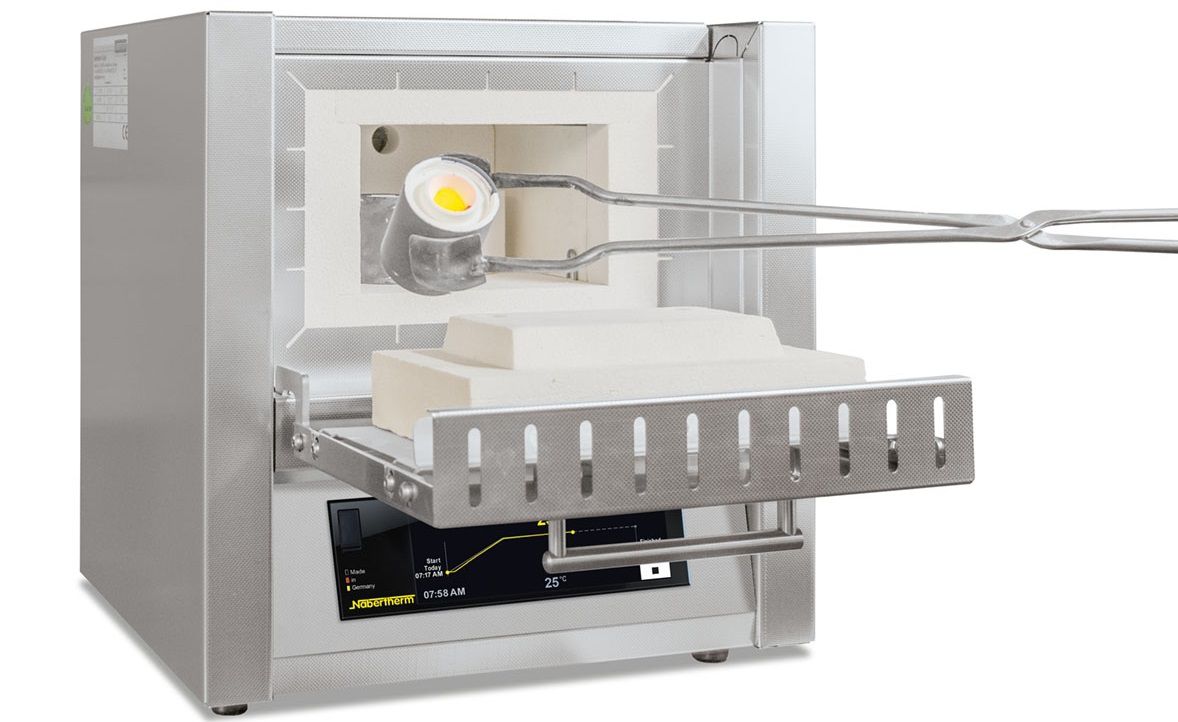
Metal Discoloration Can Occur Even Without Furnace Overheating
In metal heat treatment furnaces, heating rate directly affects surface structure and oxidation behavior. Proper ramp settings must therefore be adjusted according to the mass and geometry of the component being processed.
When heating occurs too rapidly, the metal surface is exposed to high-temperature oxygen under unstable thermal conditions. Certain areas heat up faster than others, forming thicker oxide layers that lead to uneven surface coloration.
This phenomenon is particularly common in tool steels, stainless steel, and components with complex geometries.
Ceramics Can Warp, Crack, or Develop Uneven Glaze Even at the Correct Temperature
Ceramic materials have high thermal inertia and relatively low thermal conductivity. In other words, different parts of the product do not reach the same temperature at the same time.
In ceramic furnace, if the temperature rises too quickly, thermal reactions may be forced into the next stage before previous transformations have fully stabilized. Excessive heating rates can significantly reduce final product quality.
Even when using the same clay body, glaze formulation, and firing temperature, ceramic batches can still show major differences in color and quality despite the kiln displaying the correct temperature.
Some products may warp slightly, develop crazing, or form internal cracks while still appearing visually intact. Others may show uneven coloration or dull patches across the glaze surface.
Why is Furnaces Focused on Thermal Control
In the past, high-temperature furnaces were often selected mainly based on maximum temperature capability and heating power. Today, modern laboratory furnaces increasingly integrate multi-stage heating programs that allow temperature ramping in controlled increments instead of driving continuously toward the target temperature.
Some systems also incorporate multiple independent heating zones to minimize thermal gradients inside the chamber.
The reason is simple: heating rate directly determines material stability, thermal stress, and repeatability between firing cycles.