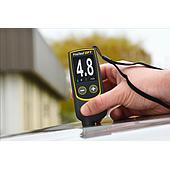
In many cases, the person measuring the device concludes that it is vibrating strongly because of a wrong display unit. By understanding the nature of each unit, the engineer will know whether the device is really stable or signaling a problem.
3 basic quantities reflecting vibration in industry
Vibration of equipment can be expressed in three main quantities: acceleration, velocity and displacement amplitude. Acceleration, measured in m/s² or g, reflects the vibration level acting on the bearing, suitable for early detection of faults such as ball wear or impact.
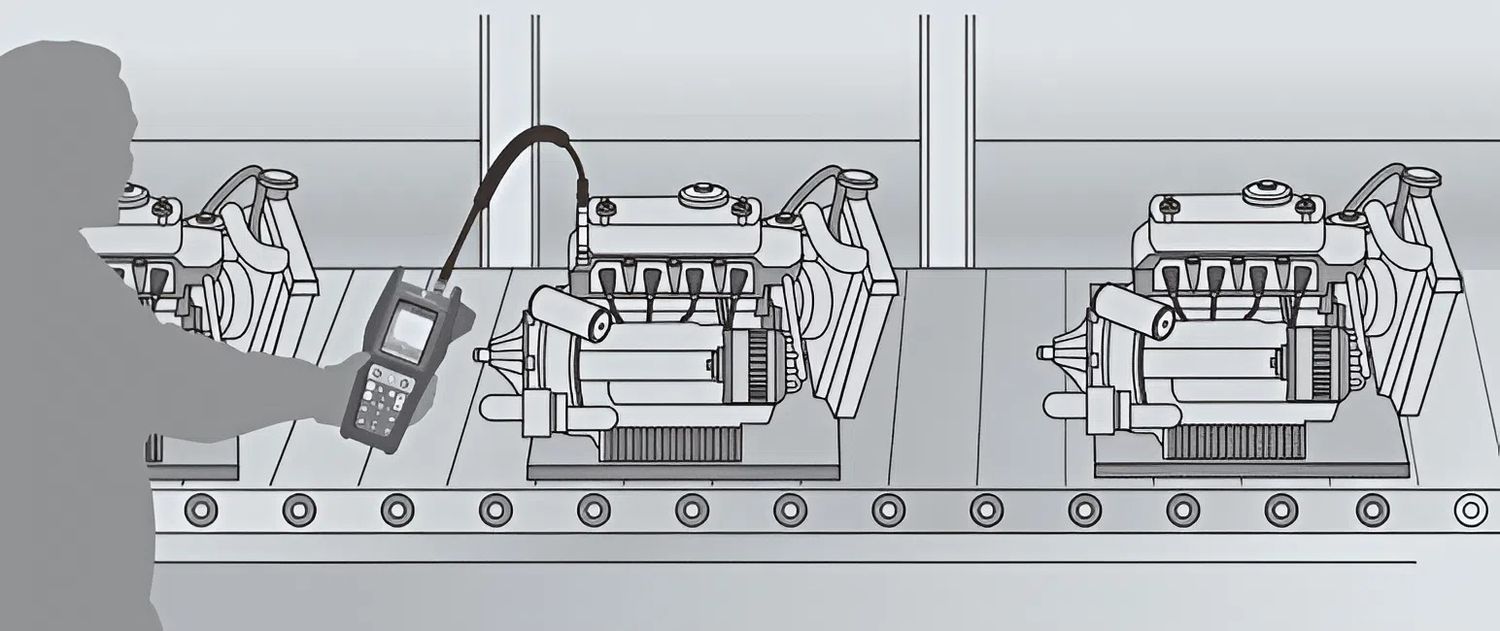
Velocity, expressed in mm/s RMS, is the most widely used unit and is standardized in international standards such as ISO 10816 to assess the overall vibration level of rotating machinery.
Meanwhile, displacement amplitude, measured in microns or mils, is often used for low-frequency machines such as industrial fans or slow-rotating shafts. Each quantity has its own role and you need to understand all of them when working.
Misreading units, misunderstanding device status
A measurement is only meaningful if the unit is understood correctly. If the device is displaying acceleration but the user compares it to the RMS velocity standard, the evaluation result can be many times off.
In some cases, engineers replace bearings because they think the machine is vibrating too much, when in fact the measurement value only shows high acceleration due to high frequency.
Conversely, if you rely solely on amplitude when measuring high-speed equipment, many signs of bearing damage will be missed. Each unit has its own vibration language, and the reader needs to understand that language correctly to listen for the true condition of the equipment.
Application of ISO 10816 standard and selection of appropriate measurement units
For ISO 10816, RMS velocity is chosen as the reference unit to classify vibration levels into clear levels, from good to dangerous. Using the same unit allows engineers to compare data between multiple devices, even when using different measuring devices. In predictive maintenance systems, synchronizing the measurement unit also helps to store and analyze vibration data consistently. When measuring high-speed devices, the acceleration mode should be preferred to detect faults early. For overall assessment, ISO RMS velocity should be used.
For low-speed devices, displacement amplitude units will give better results. Many modern meters now allow simultaneous display of all three quantities, making it easy for users to switch when needed. For example, the MMF VM22 Vibration Meter (distributed by EMIN) allows simultaneous measurement of acceleration, velocity and displacement amplitude, this feature helps users flexibly switch measurement units and read more accurate results.
At EMIN, the distributed vibration meters support many display options, helping users to be flexible when measuring and comparing data.
In addition, you can read more articles below about vibration meters to understand the nature of vibration and choose the most suitable device for you.
Detect and Troubleshoot with Vibration Meter