How Is Gloss Measured?
A gloss meter beam of light onto a surface at a specified angle and measures the amount of light reflected in the mirror-reflection direction. The result is expressed in Gloss Units (GU).
The three most commonly used measurement angles are 20°, 60°, and 85°. Among them, 60° is considered the standard angle for general-purpose applications. For highly reflective surfaces, a 20° angle provides better sensitivity and discrimination. In contrast, 85° is typically used for matte or low-gloss surfaces.
Although the measurement principle remains the same, the reflective characteristics of metal, plastic, and painted surfaces require different inspection approaches.
Metal: Gloss Reflects Surface Finishing Quality
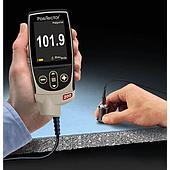
Gloss meters are widely used in metal fabrication facilities as a final quality control tool before products leave the factory. Surface gloss often provides a direct indication of finishing quality. Polished stainless steel, aluminum, and other reflective metals can produce very high gloss readings, making the measurement highly sensitive to surface defects.
Even minor scratches, polishing marks, or inconsistencies in the finishing process can lead to noticeable changes in gloss values.
Another characteristic of metal surfaces is their sensitivity to contamination. Oil residue, fine dust, fingerprints, or thin oxidation layers may affect the measurement result. For this reason, the surface should be cleaned thoroughly and the measurement area should be flat and uniform to ensure repeatable readings.
For mirror-finished metal components, a 20° measurement angle generally provides better resolution than the standard 60° angle.
Plastic: Results Are Closely Linked to Manufacturing Conditions
In plastic manufacturing, gloss is often used as a process control parameter rather than a simple appearance check.
Manufacturers of electronic components, household appliances, and automotive interior parts frequently monitor gloss levels to evaluate mold performance and molding consistency. Changes in mold temperature, injection pressure, or cooling conditions can significantly affect the surface appearance of a product, even when the same material is used.
As a result, many production facilities establish gloss specifications to maintain consistent manufacturing quality across production batches.
Compared with metal, plastics can exhibit a much wider range of gloss levels. Transparent plastics and decorative plastic parts are often designed with high-gloss finishes, while engineering components may feature textured or matte surfaces to reduce light reflection.
For most plastic applications, measurements are typically performed at a 60° angle.
Paint and Coatings: The Most Common Application for Gloss Measurement
Paint and coating inspection remains one of the most common uses of gloss meters.
Gloss values provide more than just an indication of appearance. They also help assess coating quality and application consistency. Surface defects such as orange peel, uneven spraying, dust contamination, or paint runs can alter light reflection and influence gloss readings.
The appropriate measurement angle depends on the coating type. High-gloss coatings are commonly measured at 20°, while matte and ultra-matte finishes are usually evaluated at 85° to improve measurement sensitivity.
In modern production environments, gloss measurements are frequently used to compare different production batches and maintain a consistent visual appearance.
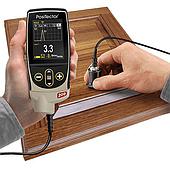
Industries such as automotive manufacturing, furniture production, home appliances, and building materials often specify gloss as a critical quality parameter. A coated surface may appear uniform to the naked eye, yet measurable differences can still be detected using a dedicated paint gloss meter.
Why Should the Same Standard Not Be Applied to Every Material ?
Gloss values cannot be compared directly across different material types.
A plastic component with a gloss value of 70 GU is not necessarily superior to a painted surface measuring 40 GU. Each industry establishes its own acceptance criteria based on design requirements, material characteristics, and product performance objectives.
The key consideration is not whether the gloss value is high or low, but whether it remains consistent and meets the specified technical requirements.
When selecting a gloss meter or developing a quality control procedure, manufacturers should define standards according to the material being inspected rather than applying a single specification to all products.
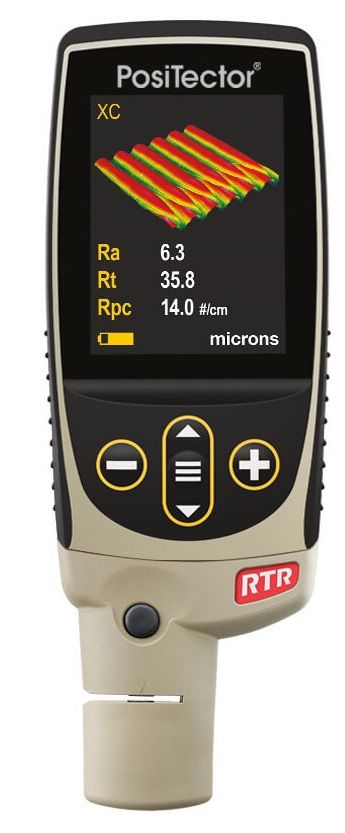
Understanding how different materials interact with light helps users select the correct measurement angle, choose the appropriate gloss meter, and establish reliable inspection standards for each application.