When a vehicle develops unusual knocking noises, oil consumption, or power loss, the traditional solution has often been to disassemble the engine for inspection. However, taking the engine apart too early not only increases repair costs but also significantly extends repair time. Many serious problems initially appear only as very subtle changes that are almost impossible to detect with the naked eye.
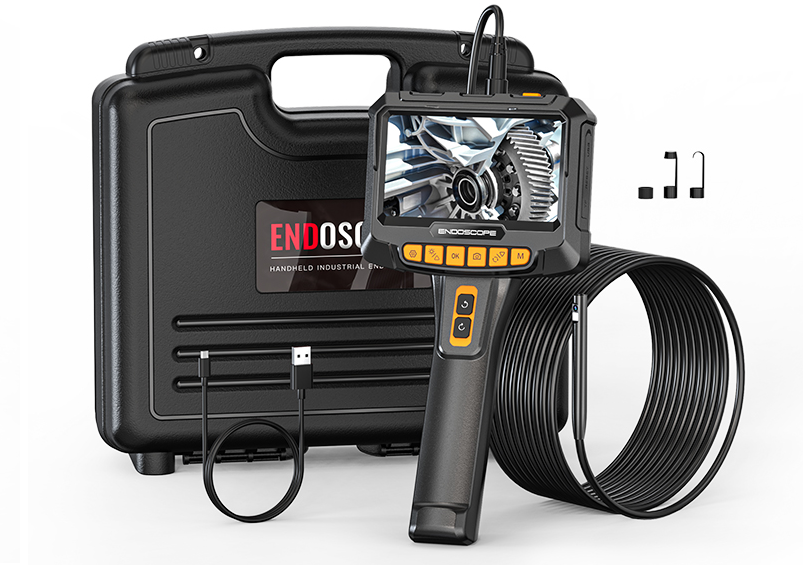
Today, many repair garages prefer to inspect the engine first using an engine inspection camera to evaluate the actual level of damage before deciding on the repair method.
Automotive Inspection Cameras Help Reduce Disassembly Costs
In the past, checking the condition of the combustion chamber or piston required technicians to spend a considerable amount of time dismantling engine components. If the diagnosis turned out to be incorrect, the entire process often became an unnecessary additional expense.
Performing an inspection first with an engine inspection camera allows technicians to assess the engine’s condition before deciding whether disassembly is truly necessary. This approach helps shorten repair time, reduce labor costs, and minimize the risk of additional issues after reassembly.
Carbon Deposits Inside the Combustion Chamber Often Appear Earlier Than Expected
One of the most common problems detected by automotive inspection cameras is abnormal carbon buildup inside the combustion chamber. In the early stages, these deposits usually do not produce loud noises or obvious warning signs. The vehicle may still operate normally, leading many drivers to believe the engine is functioning properly.
However, as carbon deposits gradually accumulate around the valves or piston crown, the combustion process can become unstable. This may eventually lead to: increased fuel consumption, slight vibration during acceleration, early detonation, reduced engine performance
Inspection cameras allow technicians to directly observe internal deposits without dismantling the engine, helping them evaluate the engine’s actual operating condition more accurately.
Oil Entering the Combustion Chamber Does Not Always Produce Visible Blue Smoke
Many people assume that oil leakage into the combustion chamber only occurs when thick blue smoke or obvious oil consumption appears. In reality, the problem often begins much earlier with only subtle signs.
A thin oil layer around the valves or piston crown may already indicate: worn piston rings, deteriorated valve stem seals, unstable crankcase ventilation performance
If technicians rely only on external symptoms, these problems can easily be mistaken for poor fuel quality or normal operating conditions.
This is one reason why engine inspection cameras are increasingly used when diagnosing vehicles with oil consumption issues or high-mileage engines.
Small Cylinder Wall Scratches Are Frequently Overlooked
In some cases, engines begin consuming oil or losing compression because of very small scratches on the cylinder walls. These scratches are often impossible to detect with the naked eye unless the engine is deeply disassembled.
Under the viewing angle of an engine inspection camera, however, changes in light reflection on the metal surface become much easier to identify. As the scratches become more severe, both the piston and cylinder walls may experience significant wear, eventually affecting many other engine components as well.