For full functionality of this site it is necessary to enable JavaScript.
EMIN.VN
0

Test on 13MHz RFID Tag-RLB Test Method

2018年02月10日 10時17分05秒

Test on 13MHz RFID Tag-RLB Test Method Radio Frequency Identification (RFID), a wireless RF identification system, utilizes radio frequency (electromagnetic sensing, microware, etc.) to conduct the transmission, identification and swapping of wireless information.

Radio Frequency Identification (RFID), a wireless RF identification system, utilizes radio frequency (electromagnetic sensing,microware, etc.) to conduct the transmission, identification and swapping of wireless information. A complete RFID includes electronic tag (Tag), reading device (Reader) and main computer (Host). This application uses RLB to test the common 13MHz RFID Tag. This test method can also be applied for production line to rapidly compare the result with Golden Sample.


The Basic Understanding of the Test

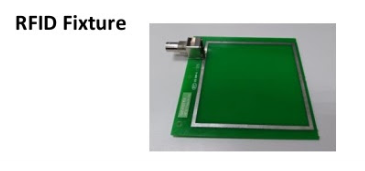
The test method of RFID Tag utilizes RLB and RFID Tag fixture. After connecting TG, fixture and RF terminal, normalize the signal and place DUT at the center of fixture to obtain Tag's frequency range.
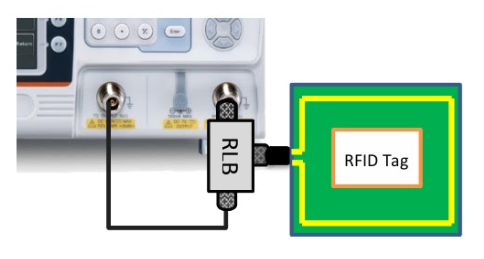
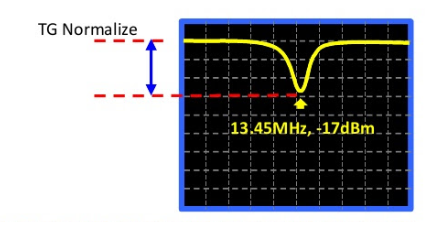
Illustration of Curve

This test method aims at obtaining the Return Loss data of DUT to find out its main operating frequency. The amplitude difference under TG Normalize line is the real test difference.
Required Equipment

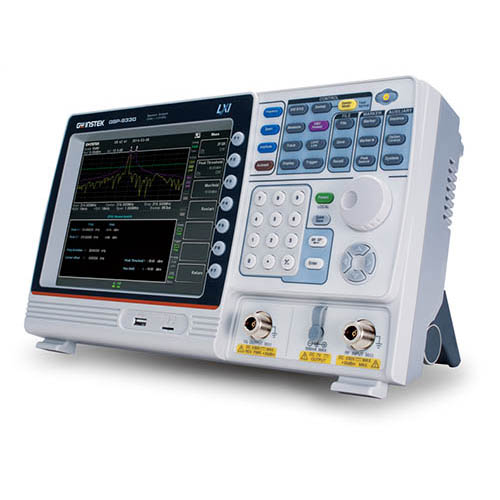
GSP-9330 / GSP-9300B

Option 01: Tracking Generator

RLB-001: 1GHz Return Loss Bridge GKT-003: RLB Kit

GW RFID Tag Fixture

ADP-001 : N(M)-BNC(F) Adapter

Test Procedures

1.Connect TG, RF, RLB-001 and RFID Fixture

2.Activate GSP-9330 TG function

3. Execute TG Normalize

4.Connect DUT (RFID Tag)

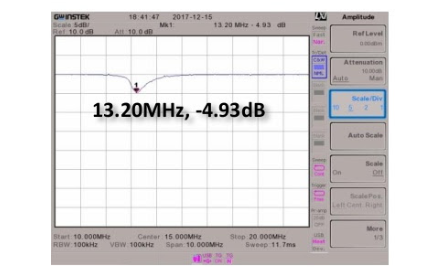
5.Use Min.Peak Search to obtain the frequency of the lowest amplitude

Test Result
相关新闻

Decoding and Resolving Power Quality Issues
2026年10月02日 16時08分19秒

Continuous operation pressure in modern manufacturing plants places severe demands on low-voltage power distribution systems. The dense presence of non-linear loads—such as large variable frequency drives (VFDs), electric arc furnaces, and power converters—generates complex distorted currents.

How Should Bolted Joints Be Tightened Effectively?
2026年10月02日 09時50分55秒

Effective bolted-joint tightening depends on calibrated torque control, torque values informed by joint testing, and a tightening sequence that distributes preload evenly. Washer fit, flange fasteners, gasket relaxation, and embedding also affect preload retention.

Why Are Automotive Torque Calibration Tools Important?
2026年10月02日 09時47分34秒

Automotive torque calibration tools help shops check torque-wrench performance where work is done. On-demand testing can support wheel-service process control, reduce reliance on periodic checks, and reinforce correct torque practices.

获取优惠更新

获取专属批量折扣、批发价格更新和新产品通知,直接发送到您的邮箱。

订阅即表示您同意我们的服务条款和隐私政策。

快速支持

直接联系认证专家