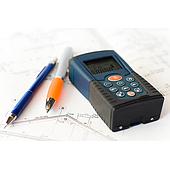
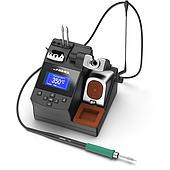
Modern groundwater detectors have been developed with advanced features, integrating sensors and signal analysis technologies to identify potential underground water sources. In the article below, we will take a closer look at how groundwater detectors work.
The trend of using groundwater detectors
The basic structure typically includes sensors, transmitters, and receivers, which work together to collect data from the surrounding environment. The materials used for these components are usually stainless steel or high-grade engineering plastics to ensure durability, corrosion resistance, and stable performance under various conditions.
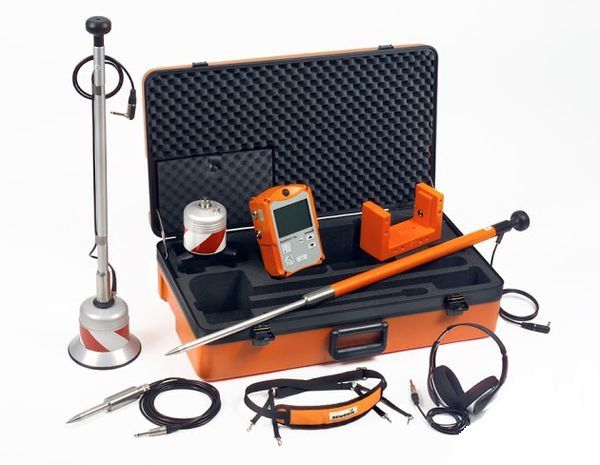
Modern devices utilize geophysical methods such as resistivity measurement. Electric current is transmitted into the ground through an electrode system, and the recorded resistivity levels help determine the likelihood of water presence. Some models are also equipped with seismic technology, using sound waves to explore the geological layers beneath the surface. The data collected by the sensors is then processed and analyzed by software and displayed in a user-friendly format to support informed decision-making.
One of the most notable trends in recent innovations is the use of advanced materials. Some major manufacturers now incorporate special carbon fiber-reinforced plastics to increase durability while reducing the overall weight of the device. This enhances mobility, especially in harsh terrains like rocky areas or vast deserts.
Applications of groundwater detectors
Groundwater detectors play a vital role across various industries. In mining, they are used to monitor drainage systems, helping to prevent flooding risks and ensuring a safer working environment. In agriculture, these devices help identify land areas with good water potential, enabling farmers to plan more efficiently, especially during prolonged dry seasons. Environmental agencies also rely on these devices to monitor groundwater level fluctuations, supporting sustainable resource management strategies.
Beyond mining and agriculture, groundwater detectors are also widely used in construction. Before launching large-scale projects, engineers and architects use these tools to assess soil permeability and prevent future water-related issues. Such thorough preparation helps save costs, reduce construction time, and minimize groundwater-related risks.
Things to consider when buying a groundwater detector
- When purchasing a groundwater detector, several key factors should be considered to ensure it meets your practical needs. The first is the detection capability, including sensitivity and depth penetration. These determine the device's effectiveness in different geological conditions and depths.
- The ability to operate stably on various soil types is also essential. A detector that adapts well to sandy, clay, or rocky soils will broaden its application scope, especially for projects that span diverse regions.
- If deep detection is a priority, choose high-powered devices with specialized sensors. On the other hand, if portability and ease of use over extended periods are important, opt for compact models with strong battery life and user-friendly interfaces.
- Feedback from real users is extremely valuable. One farmer shared that they chose a detector based on recommendations from an online expert community, which significantly improved their irrigation efficiency and crop productivit
- Choosing a device with an intuitive interface is another important consideration. In real-world operations involving users with varying technical backgrounds, this reduces errors and enhances the overall efficiency of groundwater surveys.
Conclusion
Understanding how groundwater detectors work helps users choose the right device for specific needs—whether it’s irrigation in agriculture, drainage in mining, or soil assessment in construction. Selecting the right equipment not only improves work efficiency but also contributes to long-term water resource conservation.