
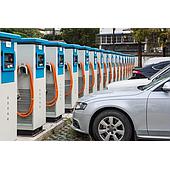
2026年11月02日 14時58分47秒
A regenerative grid simulator is used for EV charger testing because it can handle bidirectional power flow, reproduce changing grid conditions, and support automated, repeatable test procedures.
A regenerative grid simulator is used for EV charger testing because it can handle bidirectional power flow, reproduce changing grid conditions, and support automated, repeatable test procedures.

A traditional DC power supply suits stable voltage or current tests, while an ANEVS battery simulator is intended to reproduce changing battery behavior, including SOC-OCV relationships, internal resistance, and programmed operating conditions.
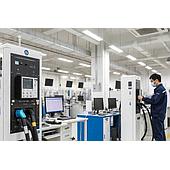
A programmable DC electronic load can simulate controlled steady-state, transient, and fault conditions when evaluating EV charging modules. Key checks include efficiency mapping, voltage ride-through, short-circuit protection, and current sharing among parallel modules.

Vietnam needs to choose the right development model and invest in advanced equipment to close the technology gap with international experts.


EMIN and ViTrox to Showcase Smart Manufacturing Innovations at VIMF Bac Ninh 2026
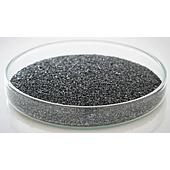
As we enter the 2026–2030 period, wide-bandgap (WBG) semiconductor materials such as Silicon Carbide (SiC) and Gallium Nitride (GaN) are transforming the power electronics, electric vehicle (EV/HEV), renewable energy, and AI data center industries. The shift from traditional silicon to SiC and GaN enables higher power density, smaller passive components, and improved overall system energy efficiency.
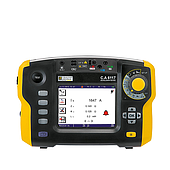
An all-in-one testing solution that complies with the international standard IEC 60364-6. It features a 5.7-inch color graphical display, supports Type B RCD testing, includes memory for 1,000 measurements, and is equipped with a Lithium-ion battery providing 30 hours of continuous operation

Deciphering optical phenomena such as specular and diffuse reflection, distinguishing between SCI and SCE measurement modes, and providing guidance on using a combined colorimeter and glossmeter to accurately isolate color defects from surface gloss defects

In the middle of the night shift, a batch of light-gray plastic emerged, streaked with debris. The machine operator took one look and did what came most naturally: he cranked up the screw speed and increased the back pressure to ensure the orange-colored pellets melted completely. By morning, the color was indeed more uniform. A few weeks later, the customer returned the entire shipment the products had become brittle, cracking at the slightest impact, and the color varied from one delivery to the next, failing to match the approved standard
直接联系认证专家