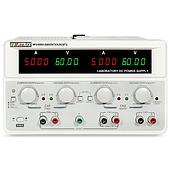
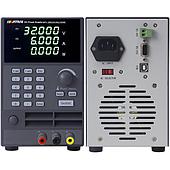
FaithTech FT8340 series is a battery test DC power supply that combines programmable power supply and measurement functions. The device can configure power conditions for different test scenarios while recording current and voltage throughout the testing process.
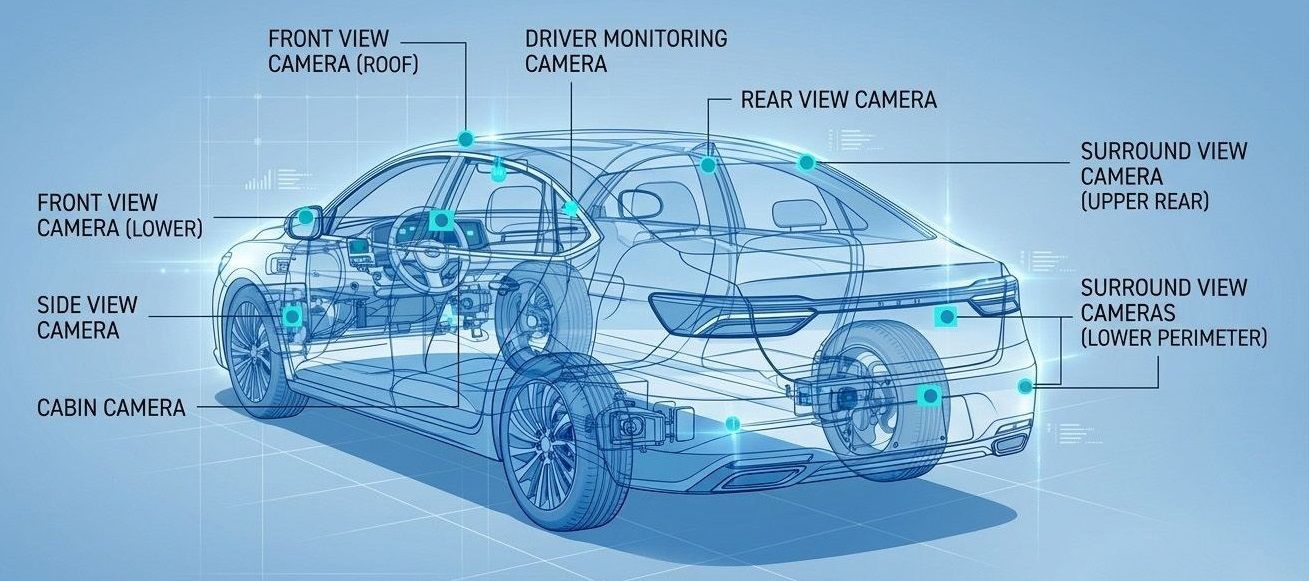
Automotive cameras must be tested before shipment to ensure stable operation under different operating conditions. In end-of-line testing, the power supply must not only be stable but also capable of reproducing the voltage, current, and operating states that the camera may encounter.
Testing the Camera Under Different Operating States
In practice, a camera may go through several states, including startup, normal operation, low-voltage operation, sleep, and wake-up. If only a fixed voltage is applied, it is difficult to evaluate how the camera responds when the power conditions change.
The FT8340 allows power conditions to be configured in advance and enables rapid switching between different operating states. Its specified voltage rise time is no more than 1 ms, making it suitable for tests that require rapid changes in power conditions.
Test scenarios can be configured as automated sequences, reducing manual setup between individual tests.
Testing Parking Surveillance Mode
When the vehicle is turned off, the camera may continue operating in surveillance mode to detect motion or record video as required.
A test scenario can maintain a 12 V ± 0.5 V supply and then activate motion detection and video recording for an extended period. At the same time, the voltage can be gradually reduced to evaluate the low-voltage protection threshold.
The parameters that can be monitored include:
Response time when motion is detected.
Current consumption during video recording.
Ability to operate as the voltage decreases.
Ability to preserve recorded data.
Incorporating these conditions into a test program allows cameras to be evaluated according to consistent criteria throughout the production process.
Testing Sleep and Wake-Up Modes
In sleep mode, the camera should consume very little power while still being able to switch to the operating state when a signal is received.
The power supply can be maintained at 12 V while the camera remains in standby mode for approximately 24 hours. The camera can then be awakened by a control command or a simulated impact signal.
The test focuses on three key parameters:
Sleep-mode current consumption.
Time from receiving the signal to camera activation.
Repeatability of the sleep and wake-up process.
This is an important part of evaluating cameras equipped with surveillance functions for extended periods while the vehicle is parked.
Measuring Standby Current at the μA Level
Current consumption when the camera is in standby mode is typically much lower than when it is recording video or processing images. Therefore, the ability to measure low current levels is directly relevant to end-of-line testing.
The FT8340 DC power supply supports microampere (μA) current measurements, helping detect small differences in power consumption between individual products.
Manufacturers should define pass/fail thresholds in advance based on the camera's design. For example, standby power consumption, wake-up time, and data loss rate should only be used as evaluation criteria when they are relevant to the product's technical requirements.
Recording and Managing Test Data from the Battery Simulation DC Power Supply
In a production line, test results need to be recorded so that they can be traced to individual products or production batches.
The FT8340 DC power supply supports LAN and RS485 interfaces and can be connected to a production management system. Voltage, current, and the results of each test cycle can be transferred to the system for quality monitoring and traceability.
When test data is stored centrally, technicians can compare results between products, identify deviations, and determine when a fault occurred.
Organizing the Automotive Camera Testing Process
The automotive camera testing process can be organized in the following sequence:
Startup → Normal operation → Low voltage → Parking surveillance → Sleep → Wake-up → Result recording.
The FT8340 battery test DC power supply provides the required power conditions and measures electrical parameters at each stage. Preconfigured test scenarios help reduce setup time between tests and maintain consistent test conditions for products on the production line.
When selecting the equipment, manufacturers should consider the number of channels, voltage and current ranges, minimum current measurement capability, power switching speed, and the communication interface required to connect with the existing test system. Conditions such as startup voltage, low-voltage level, sleep duration, and wake-up time should also be defined according to the specific requirements of each camera model.