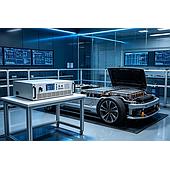
Bidirectional DC power supplies combine source and sink operation in one platform. This supports realistic EV battery cycling, regenerative energy handling, programmable test sequences, and flexible battery or charger emulation.
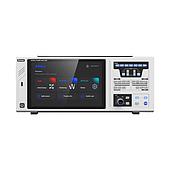
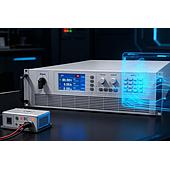
Bidirectional DC power supplies combine source and sink operation in one platform. This supports realistic EV battery cycling, regenerative energy handling, programmable test sequences, and flexible battery or charger emulation.
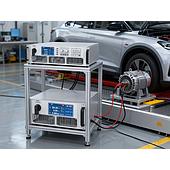
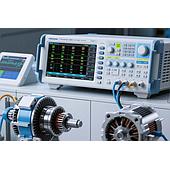
An EV power analyzer for inverter testing should match the required measurement accuracy, bandwidth, sampling rate, channel synchronization, voltage platform, software functions, and test-system interfaces.

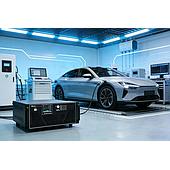
A bidirectional DC power supply can source and absorb DC power, helping engineers emulate battery behavior and test OBC charging, discharge, reverse-flow, and dynamic operating conditions.

Bidirectional power supplies provide controlled power in both directions for EV and HEV test setups. They can emulate batteries and other DC sources while absorbing regenerated energy from inverters, motor drives, chargers, and V2G systems.

ANEVH is a bidirectional programmable DC power supply designed to support BOBC testing by combining source and load functions, simulating batteries and grid conditions, and supporting parallel operation for higher-power test needs.

Bidirectional DC test power supplies combine source and regenerative-load operation to test EV chargers under controlled charging, discharge, and dynamic-load conditions.

Electronic loads draw controlled current or power to reproduce operating demand. They support testing of EV batteries, battery management systems, chargers, charging infrastructure, and energy storage equipment.

Multi-channel power analysis brings electrical and mechanical measurements onto a common time base for EV drive testing. It supports efficiency calculations, transient power-flow analysis, and coordinated measurement of dual-motor systems.

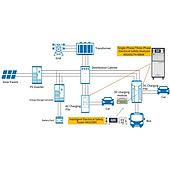
EV charging pile safety testing evaluates electrical risks related to withstand voltage, insulation, grounding, and leakage at charging pile input and output circuits. The source describes the AN1651TH-60(F)CP solution as covering nine test areas with MES connectivity support.

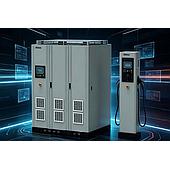
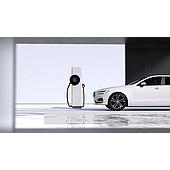
DC fast charger laboratories use high-power bidirectional DC electronic loads to simulate EV battery behavior while evaluating charger output, control response, and communication-related test conditions.
直接联系认证专家