Understanding the true nature of alluvial gold is crucial not only for those assisting in the process but also for purchasing or testing units, as it requires determining the quantity rather than relying on expectations.
How is alluvial gold formed?
In nature, gold is found in deep ore veins in mountainous regions. Over millions of years, the rocks weathered, and the gold veins crumbled into small particles. Water carried these particles downstream, and they settled in sections of rivers and streams with unique topography.
Therefore, alluvial gold is often found in places where water flow changes direction, in long-standing alluvial deposits, or in rock crevices that retain heavy minerals. It is not clearly visible, but is trapped within a layer of mixed sand, gravel, and various other minerals.
Why is alluvial gold difficult to assess with the naked eye?
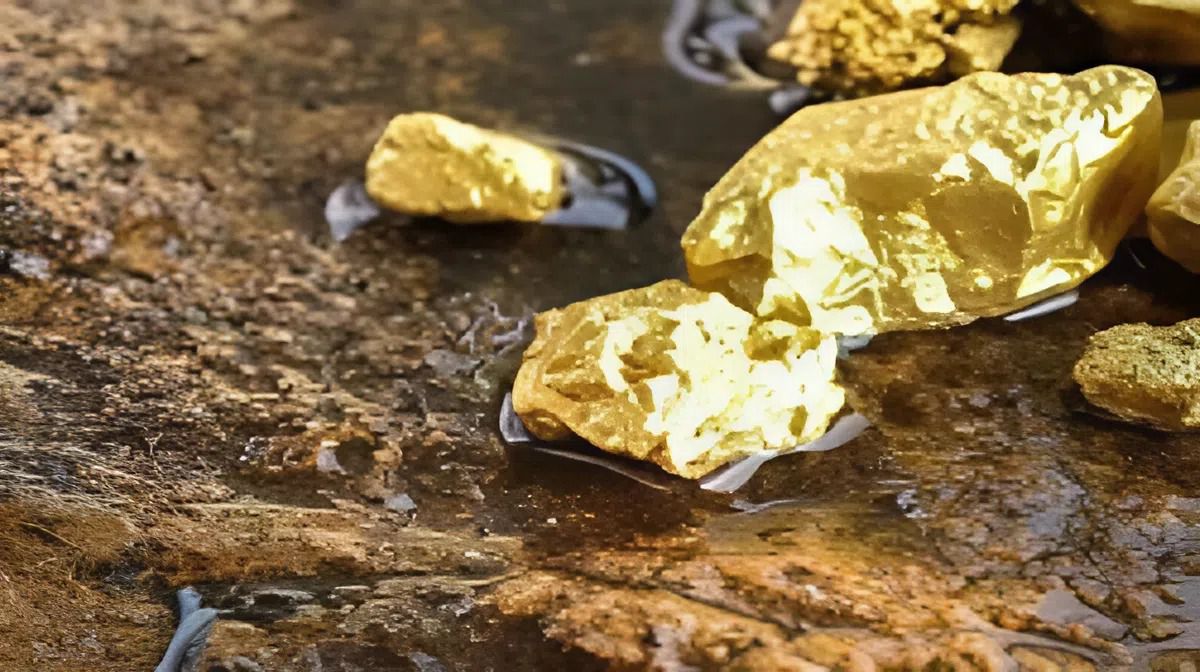
The most challenging aspect of alluvial gold is that the gold particles are very small and often contain many impurities. Some samples may appear valuable, but in reality, the gold content is very low. Conversely, some samples may look no different from ordinary sand but contain the precious metal.
Besides gold, alluvial deposits also contain many heavy elements such as iron, copper, lead, or silver. Relying solely on experience or manual observation can easily lead to confusion, especially during periods of high gold prices and increased market activity.
The need for metal content testing is becoming increasingly evident
Not only those who go to the mining site, but also gold raw material purchasing facilities, metal recycling businesses, and material testing laboratories need to know exactly what's in the sample. A placer sample may contain gold, but it could also just be ordinary heavy minerals.
At this point, the important thing is no longer about feeling or judgment, but the ability to quickly analyze the metal composition to determine the actual value before deciding to purchase or mine.
XRF technology enables rapid analysis of placer samples
In practice, many institutions now use XRF technology to test metal composition on-site. This method allows for rapid analysis of elements in a sample without complex processing or lengthy procedures.
For mineral samples with mixed structures, such as placer deposits, obtaining clear results helps avoid many risks during evaluation.
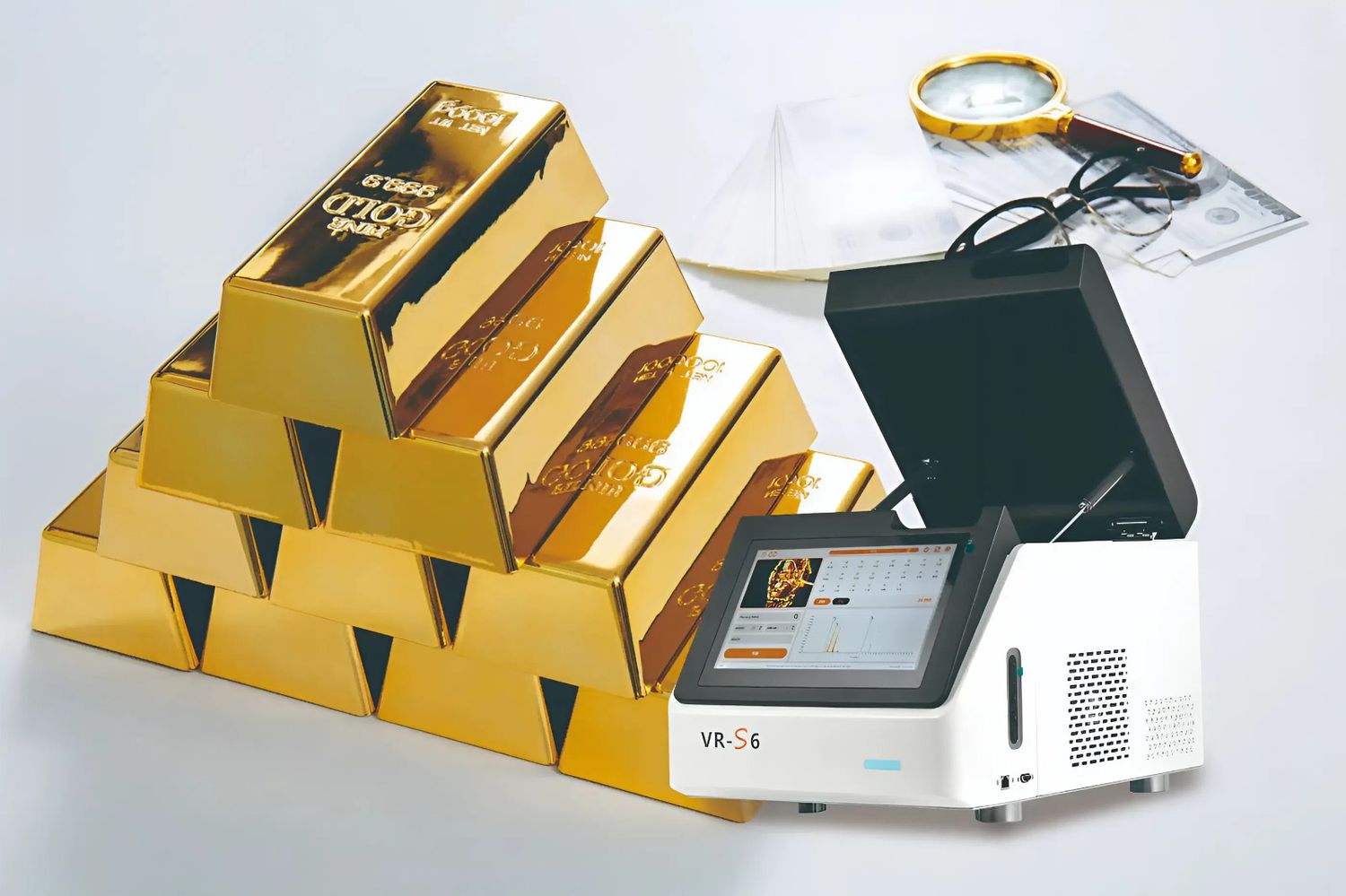
LANScientific TrueX TCB is a model currently available at EMIN.
In its range of X-ray metal composition analyzers, EMIN currently offers the LANScientific TrueX TCB XRF spectrometer. This device is a popular choice for many organizations to quickly test the metal composition of ore samples, alloys, or actual purchased samples.
For cases requiring assessment of metal content in placer deposits, this device helps shorten testing time and provides a clearer basis instead of relying solely on visual inspection.
Going to the deposit site still requires understanding the terrain, water currents, and practical experience. But to determine the value of a soil or rock sample, especially when the gold market is booming, metal composition analysis is an indispensable step.
Devices like the LANScientific TrueX TCB XRF spectrometer make the testing process more transparent, benefiting buyers, testing agencies, and businesses working with precious metals.