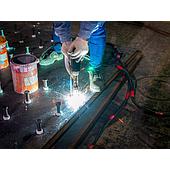
Type K temperature probe are commonly used in furnaces, heating equipment, and production lines thanks to their wide temperature range, simple construction, and ability to operate at high temperatures. However, after extended operation, a temperature probe may produce different readings under the same temperature conditions.
This deviation tends to become more pronounced when the probe operates at high temperatures for extended periods. The main causes include changes in the materials that generate the thermoelectric signal, as well as environmental effects and repeated heating cycles.
How Does a Type K Temperature Probe Generate a Measurement Signal ?
A Type K temperature probe consists of two different metal alloys, typically Chromel and Alumel. When the two junctions are at different temperatures, a thermoelectric voltage, or electromotive force, is generated. The measuring instrument converts this very small voltage into a temperature reading.
Unlike resistance temperature detectors (RTDs), a Type K thermocouple does not determine temperature based on changes in electrical resistance. Therefore, when the characteristics of the metal wires change, the generated thermoelectric voltage also changes, which can lead to measurement errors.
High Temperatures Can Change the Characteristics of the Temperature Probe
When operating at high temperatures for extended periods, a probe can undergo aging and oxidation. The composition of the materials in certain sections may change, altering their thermoelectric characteristics.
As a result, at the same temperature, the probe may generate a different thermoelectric voltage than it did when it was new. This deviation is commonly referred to as probe drift.
For temperature probe aging can become more noticeable as the operating temperature and exposure time increase. The extent of the change also depends on the materials used, the surrounding environment, and the duration of exposure to heat.
Oxidation Can Gradually Cause Temperature Probe Drift
At high temperatures, oxygen in the surrounding environment can react with the conductor materials. The formation of an oxide layer on the surface can gradually alter the composition of the wires.
This process does not necessarily occur uniformly throughout the entire temperature probe. A section of the wire located in a high-temperature zone may undergo greater changes than the rest of the probe. When a Type K thermocouple experiences changes in material composition along its length, its thermoelectric signal can also change.
This is one reason why a temperature probe that has been used for a long time may produce different readings from a new probe, even when both are the same type and operate under the same measurement conditions.
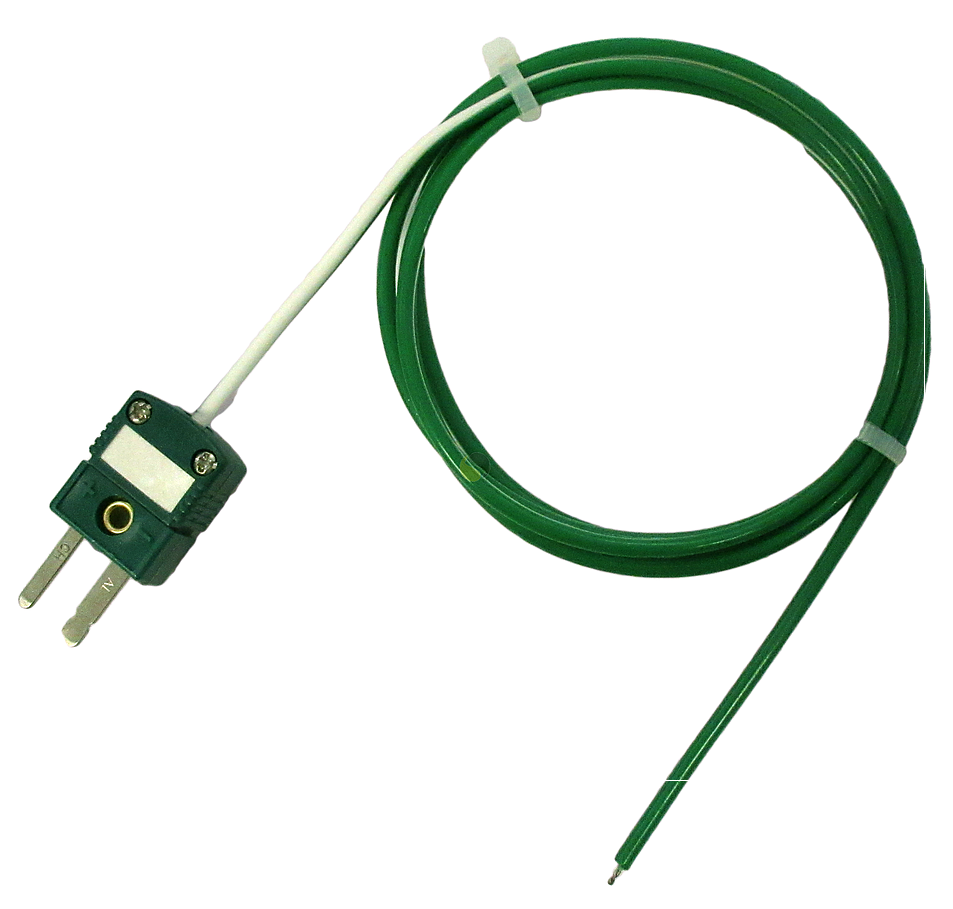
Type K temperature probe
Heating History Also Affects Measurement Accuracy
Two identical Type K temperature probes do not necessarily develop the same level of deviation after a period of use.
A probe that operates continuously at high temperatures will experience different effects from one that repeatedly undergoes heating and cooling cycles. The number of heating cycles, holding time at elevated temperatures, and highest temperature to which the probe has been exposed all contribute to its individual characteristics.
Therefore, service life should not be assessed solely in terms of months or years. The probe’s thermal history is also an important factor affecting measurement stability.
When Should a Type K Temperature Probe Be Checked?
When the displayed temperature begins to deviate from the expected value, both the probe and the measuring instrument should be inspected.
In addition to changes in the probe itself, Type K thermocouple measurements also depend on proper cold-junction compensation at the reference junction. If this function does not operate correctly, the displayed temperature can also be affected.
Therefore, when a deviation is detected, the probe, connecting wires, connectors, and measuring instrument should be checked systematically before concluding that the instrument itself is faulty.
There is no single inspection interval that applies to every temperature probe. The inspection frequency should be determined based on the operating temperature, exposure time, number of heating cycles, and the required measurement accuracy of the system.
For measurements used in quality control or process control, the probe should be periodically compared with a temperature standard or a calibrated reference probe.
If the deviation gradually increases over time, recalibration can help determine the current measurement error and assess whether the probe can continue to be used.
How to Minimize Measurement Deviation When Using a Type K Temperature Probe
To maintain long-term measurement stability, the temperature probe should be selected according to the operating temperature and environmental conditions from the beginning. The protective construction, sheath material, quality of the thermocouple wire, and installation conditions can all affect the probe’s service life.
Do not rely solely on the maximum temperature rating specified in the technical specifications. A Type K Type K thermocouple may withstand high temperatures for short periods but can still experience significant drift if it operates continuously at those temperatures.
When measurement results begin to change, the probe, connecting wires, reference junction, and measuring instrument should all be considered. Regular inspection helps detect probe drift at an early stage and prevents temperature measurement errors from affecting production processes and quality control.