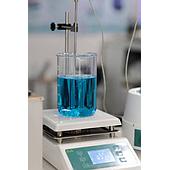
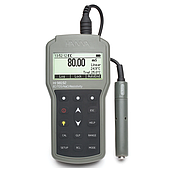
The machine operates based on ultrasonic waves, creating extremely small air bubbles that penetrate into the smallest details of jewelry to remove dirt, grease or long-standing residue. Stains that cannot be handled by conventional cleaning methods can be gently cleaned by the ultrasonic tank, without the need to rub or use strong chemicals.
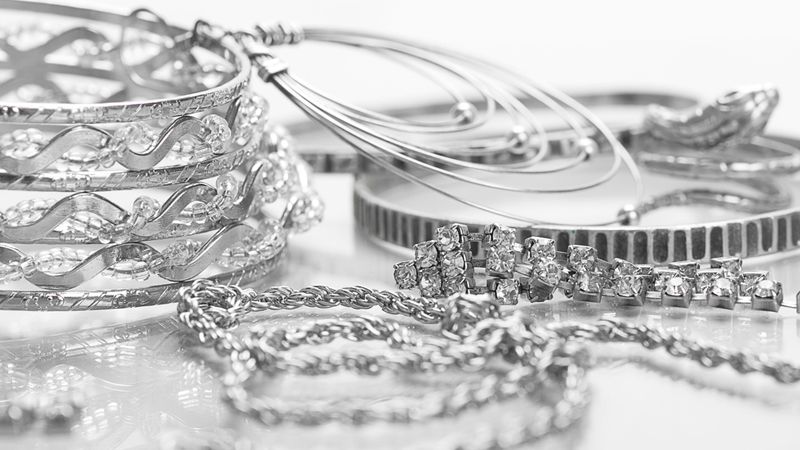
Instructions for using ultrasonic cleaning tank to clean jewelry
To clean jewelry with an ultrasonic cleaner, people often use mechanical or digital machines. This method is especially suitable for gold or silver jewelry. If you are using it for the first time, you can refer to the following steps to operate it properly and safely.
Step 1
Place the cleaning tank in a fixed, flat and dry position and plug it in. Pour clean water into the tank, add a little cleaning solution such as soap, dishwashing liquid or specialized solution. Do not fill the tank because when the machine is operating, it will create air bubbles, which can easily overflow and affect the life of the device. Then, collect the jewelry that needs to be cleaned and place it in the basket.
Step 2
Power up the machine, turn on the switch and place the basket in the tank. Cover to limit foam from splashing out.
Step 3
Set the appropriate frequency, temperature and time. The common frequency is usually 37 kHz. Depending on the jewelry material, you should adjust the temperature to a moderate level, avoiding setting it too high to affect the item.
Step 4
For small items such as rings or earrings, place them in a basket to avoid falling to the bottom of the tank. After the machine has finished running, remove the jewelry and dry it.
Choosing the right ultrasonic jewelry cleaning tank

When it comes to cleaning or polishing jewelry, choosing the right ultrasonic cleaner will make the job easier and more efficient. Here are a few things to consider before making your purchase.
- Compact design
Jewelry is usually small in size, so you don't need a large cleaning tank. Prioritize compact models that are easy to place on a table or shelf, convenient to use. Some digital machines have additional display screens to make adjustments simpler and more accurate.
- Moderate capacity
Ultrasonic cleaning tanks have many different capacity levels, from 1 liter to several dozen liters. However, if you only use it to clean rings, bracelets or necklaces, you should choose a type with a capacity of about 1 to 3 liters, which is enough, does not take up space and saves water.
- Reasonable cost
No need to choose the most expensive type, the important thing is that the machine is suitable for your actual needs. If you only use it to clean jewelry at home or for a small shop, you can completely choose a popular line with a reasonable price but still ensure efficiency.
Conclude:
We have just sent you how to use an ultrasonic cleaning tank to clean jewelry effectively. If you need advice to choose the right machine model for your needs, do not hesitate to contact EMIN.