So what exactly is water hardness, and how can this value be determined? The information below will help you understand this issue in a more accessible and practical way.
What is water hardness?
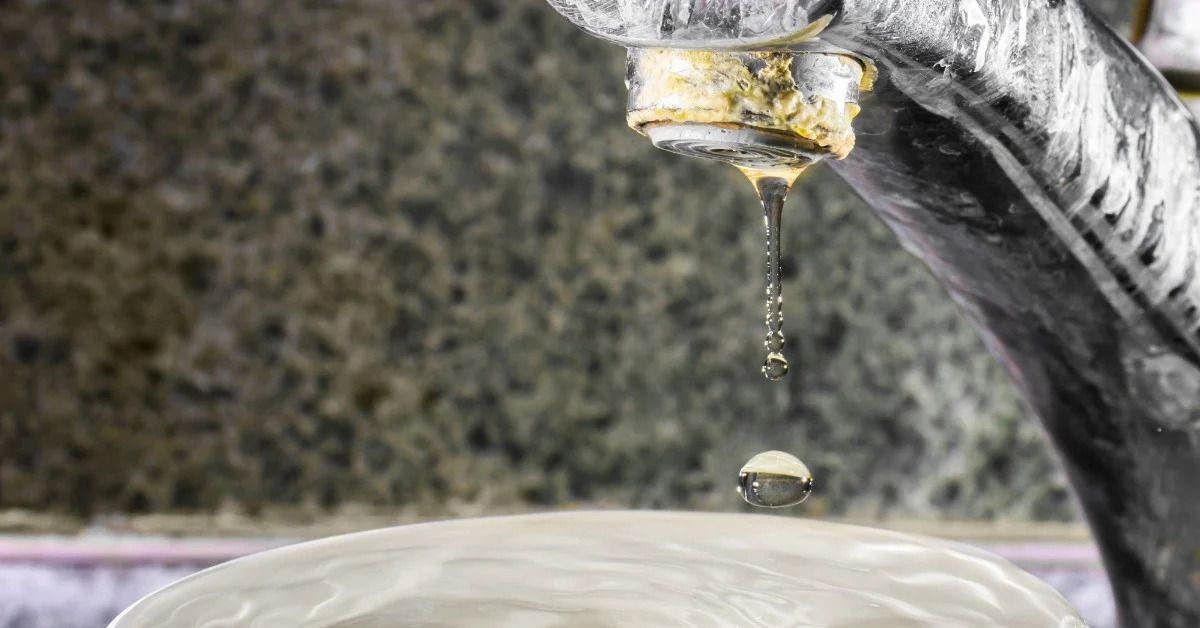
When evaluating water quality, its hardness is an important factor. This term is used to describe the concentration of dissolved minerals, mainly calcium and magnesium ions, present in the water. When the levels of these two ions are high, the water tends to be harder, which can interfere with daily activities such as bathing, laundry, cooking, and even reduce the lifespan of appliances that use water.
Levels of water hardness:
Water hardness is classified based on the concentration of calcium (Ca²⁺) and magnesium (Mg²⁺) ions, according to guidelines from the United States Geological Survey (USGS). Based on the measured index, water sources are categorized into specific levels for easier evaluation and appropriate treatment:
Soft water: 0 to 60 mg/l
Moderately hard water: 61 to 120 mg/l
Hard water: 121 to 180 mg/l
Very hard water: above 180 mg/l
The formula for calculating hardness is as follows:
Hardness (ppm) = (Calcium × 2.5) + (Magnesium × 4.1)
In this formula, calcium and magnesium concentrations are measured in mg/l, also known as ppm.
Common methods for measuring water hardness
There are various methods to determine this value, depending on the user's needs and available conditions. Each method offers a different approach, from traditional to modern, allowing users to choose the most suitable option.
Colorimetric titration method
One of the most common methods is the colorimetric titration method, which uses EDTA solution combined with a color indicator. When calcium and magnesium ions in the water react with this solution, the color change helps users determine the level of hardness. This method is considered simple and highly applicable in basic experiments or water testing labs.
Soap test method
Another traditional method widely known is the soap test method. Based on the reaction between soap and hardness ions in the water, users can observe the formation of precipitate or the amount of foam produced to infer the water’s hardness. This method is not only accessible but can also be performed at home using simple test kits, providing quick results without requiring complex equipment.
Ion exchange method
By using specialized ion exchange columns, this method separates and quantifies the individual concentrations of calcium and magnesium ions. As a result, the obtained data is more reliable, making it suitable for applications requiring high accuracy such as laboratory analysis or industrial water quality control systems. However, the cost of equipment for this method is significantly higher than for common measurement techniques.
Using electronic measuring devices
Among the methods for testing water hardness, electronic water hardness testers—currently available at EMIN—can also be used. The principle of operation is based on measuring the electrical conductivity of water, which increases with the presence of ions like calcium and magnesium. From the measured conductivity level, the device automatically calculates and displays the hardness result in a visual format.
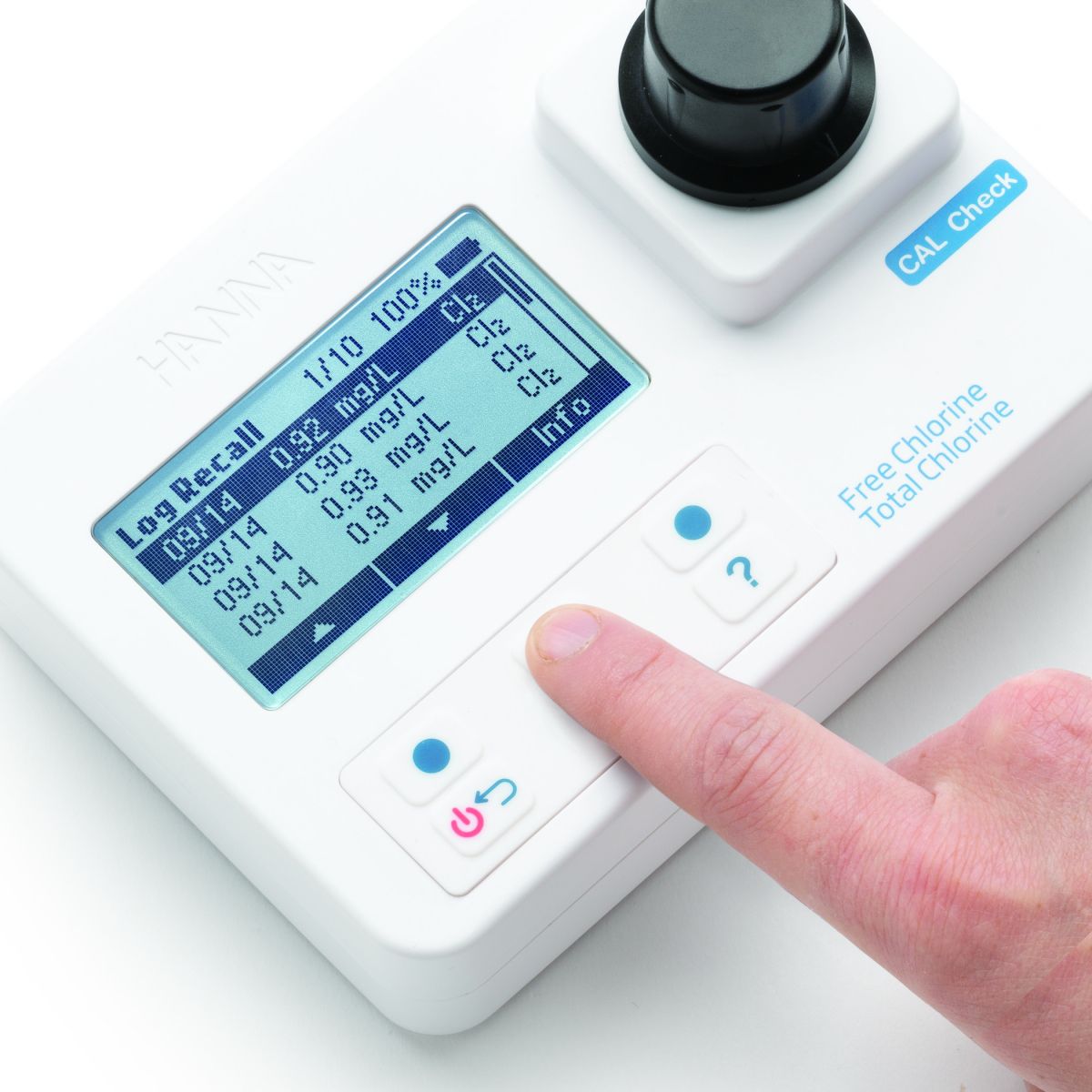
This method saves time by avoiding the need to observe color changes or reaction phenomena as in traditional tests. However, since it is a specialized electronic device, the initial investment cost may be relatively high—but worthwhile due to its advantages. If you're interested in purchasing a water hardness meter, feel free to contact us directly for personalized consultation and a special price quote.