Pressure Switches
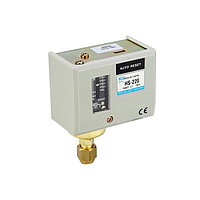
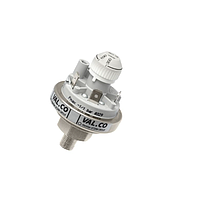
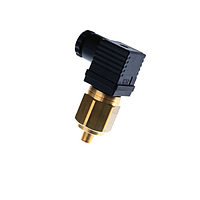
In many industrial systems, pressure is not only something to measure but also something that must trigger a clear action at the right moment. That is where Pressure Switches become especially useful. They convert a pressure condition into an electrical switching event, helping operators protect equipment, manage alarms, and automate control steps in HVAC, air handling, gas monitoring, and general process applications.
On this page, you can explore pressure switch options used for differential pressure monitoring as well as related control tasks where switching accuracy, repeatability, and response time matter. The category also connects naturally with broader pressure instrumentation such as manometers and pressure, temperature & humidity monitors when a system requires both indication and switching functions.
Where pressure switches are used
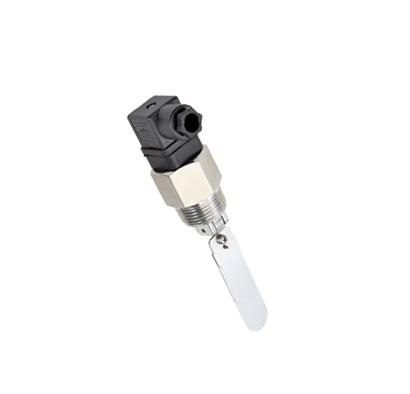
A pressure switch is commonly selected when the goal is straightforward and dependable control logic: start or stop a device, activate an alarm, prove airflow, or detect a pressure drop across a filter or duct section. In many installations, the switch acts as a threshold device rather than a continuous measuring instrument, making it practical for machine safety, equipment protection, and basic automation.
Differential pressure applications are especially common in HVAC and clean air systems. By comparing pressure at two points, the device can help detect clogged filters, confirm fan operation, monitor duct pressure, or verify flow conditions in non-corrosive dry gas service. This makes the category highly relevant for building services, OEM equipment builders, and panel integrators.
Mechanical switching and multifunction control options
This category includes traditional pressure switching solutions as well as more advanced instruments that combine pressure sensing with display, output, and configurable switching functions. The right choice depends on whether the application needs a simple on/off response or a more flexible control platform integrated into a panel or automation system.
For example, the Dwyer 1831-1-RA-S and Dwyer 1831-2-RA-S represent compact low differential pressure switches intended for switching tasks where manual reset and fast actuation are important. In contrast, models such as the Dwyer DH-012, DH-014, DH-016, and DH-017 extend the concept into a multifunction differential pressure controller with digital display, current output, and communication capability, which can be useful when local indication and signal transmission are required alongside relay control.
Key selection factors for industrial buyers
Choosing the correct pressure switch starts with understanding the pressure type and operating range. Some applications require low differential pressure switching for air and gas systems, while others focus on higher thresholds or broader monitoring ranges. The set point should match the normal operating window closely enough to detect abnormal conditions without nuisance switching.
Electrical requirements are equally important. Buyers should check contact form, switch rating, supply conditions if the device includes electronics, and whether a manual reset function is needed for safety-related events. Mechanical details such as process connection size, mounting orientation, enclosure protection, and operating temperature also affect long-term suitability.
Where visual status and system integration matter, digital controllers can offer advantages over purely mechanical switches. If the process needs local readout, analog retransmission, or network connectivity, it may also be worth reviewing related monitoring instruments from brands such as Dwyer or exploring adjacent categories like portable vacuum pressure instruments for diagnostic and service work.
Understanding differential pressure switching in practice
A differential pressure switch responds to the pressure difference between two ports rather than the pressure at a single point. This is useful when the real concern is not static pressure alone, but the change across a filter, fan, cleanroom barrier, enclosure, or flow element. As the differential rises or falls past the set threshold, the switch changes state and sends a signal to the control system.
In practical terms, this can support airflow proving, dirty filter indication, damper verification, and fan interlock logic. For gas-compatible applications involving air, nitrogen, helium, argon, carbon dioxide, or similar non-corrosive dry gases, these devices help create a simple and effective link between process condition and electrical control response.
Featured examples in this category
Several products in this category illustrate the range of use cases. The Dwyer 1831 series is suited to compact installations where low differential pressure switching and manual reset behavior are part of the control strategy. These models are often relevant for HVAC-related duties where rapid actuation and repeatable threshold response are needed.
The Dwyer DH series, including DH-006 through DH-017 variants shown on this page, is better aligned with applications that need more than a simple switch. With a digital display, relay outputs, and communication support, these controllers can fit panel-based systems where operators want pressure visibility and configurable alarm logic in one device. That makes them useful for projects balancing switching, indication, and signal output in a single platform.
Brand landscape and application context
Industrial buyers often compare pressure switch options by manufacturer ecosystem as much as by core specification. Within this category, Dwyer is strongly represented through examples focused on low differential pressure and multifunction control. Depending on the application, users may also consider broader instrumentation portfolios from DANFOSS, INFICON, Jumo, OMEGA, Senseca, and Autosigma when matching device style, panel standards, or system architecture.
That said, the most effective selection process usually starts with the application itself: media type, switching logic, installation environment, and control interface. Once those basics are defined, it becomes much easier to narrow down whether a compact mechanical switch or a configurable electronic controller is the better fit.
How pressure switches fit into a complete measurement setup
Pressure switches are often part of a larger instrumentation chain rather than a stand-alone component. A system may use a switch for alarm or interlock protection, while a separate display instrument supports commissioning, troubleshooting, or trend observation. In those cases, combining switching devices with products such as barometers or other pressure monitoring tools can improve both operational visibility and maintenance efficiency.
For service teams, it is also common to verify actual field conditions with portable instruments before finalizing a switch set point. This helps reduce false trips and ensures the selected device reflects real operating conditions instead of nominal design assumptions alone.
Choosing with confidence
The right pressure switch depends on more than just pressure range. It should match the control purpose, media compatibility, reset behavior, mounting constraints, and the level of integration required by the application. Whether the need is a compact differential pressure switch for HVAC proofing or a multifunction controller with display and communication, this category supports practical industrial selection.
By comparing pressure type, switching method, and installation requirements carefully, buyers can build a more reliable pressure control setup with fewer compromises. Explore the listed products to find a solution that fits your process, control panel, or facility monitoring task.
Get exclusive volume discounts, bulk pricing updates, and new product alerts delivered directly to your inbox.
By subscribing, you agree to our Terms of Service and Privacy Policy.
Direct access to our certified experts