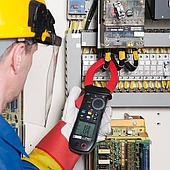
Qualistar+ CA 8336, a 3-phase power quality analyzer from Chauvin Arnoux (France), is the solution for electrical engineers and maintenance technicians looking for a device that can both measure quickly and provide complete data for timely troubleshooting, right on site.
The device is not only for single parameter testing
Unlike conventional electrical measuring devices, Qualistar+ CA 8336 not only measures basic parameters such as voltage, current, frequency but also extends to more than 2,000 different analytical parameters, helping users see the overall picture of the system's power quality.
In-depth harmonic analysis
A highlight of this device is the ability to record and analyze harmonics up to level 50. This is an extremely important factor for factories using inverters, UPS or large power electronic equipment, where high harmonics can easily cause disturbances and energy loss.
Fast error detection and full data retention
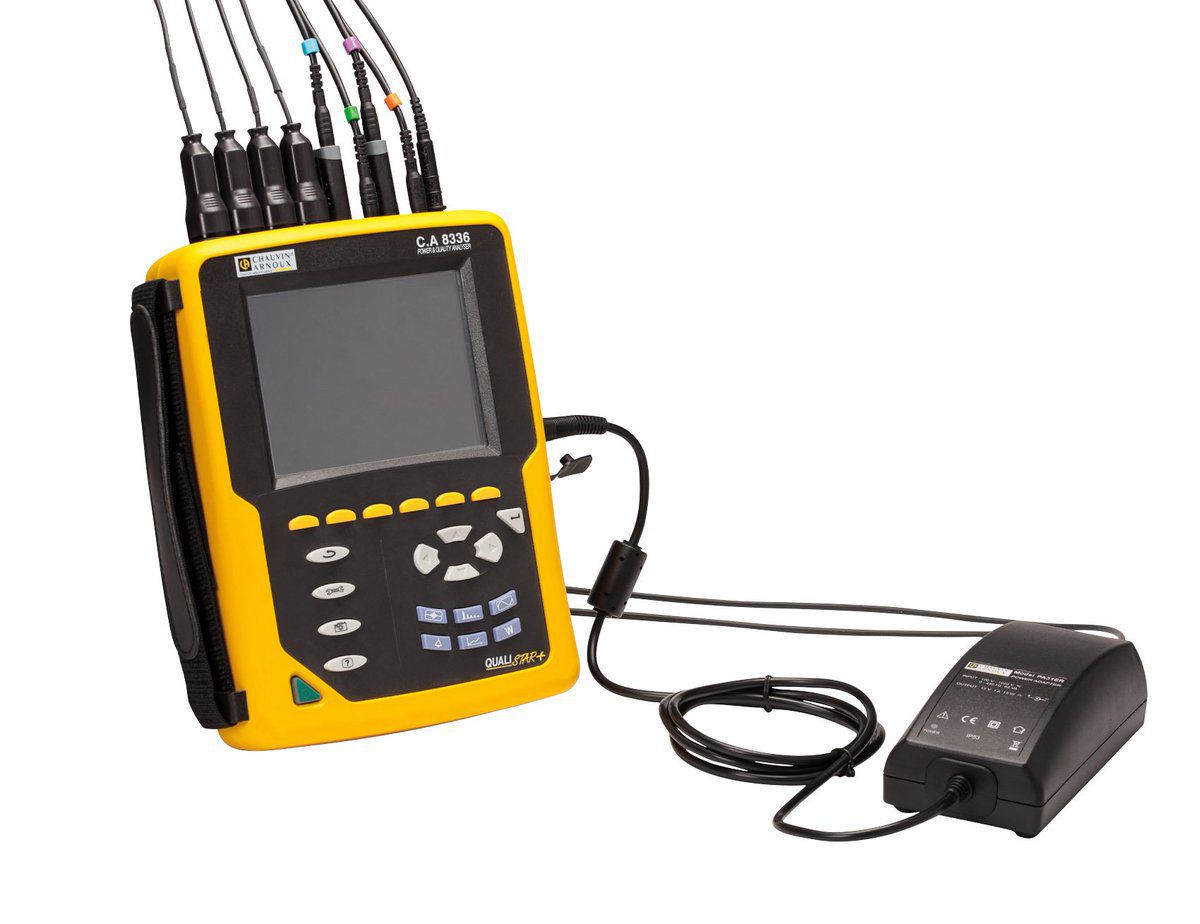
The Qualistar+ CA 8336 supports recording of 4,000 voltage events in the same measurement campaign, making it easy for users to detect transient faults, phase loss events or short-term voltage dips — faults that are often difficult to detect when measuring only for a short time or periodically.
All data is displayed in the form of graphics, figures and intuitive waveforms on the 7" TFT color screen, making it easy to operate even in the field.
No need for computer, still can analyze on the spot
One of the outstanding strengths of the CA 8336 is the ability to analyze right on the device, without having to export data to a computer. With an intuitive, easy-to-use menu divided into each usage category (measurement, recording, analysis...), the device helps save processing time, especially in production environments that require quick decision making.
Supports simultaneous measurement of multiple complex signal types
- CA 8336 is capable of simultaneously measuring:
- Voltage / current (3 phase + neutral)
- Active, reactive, apparent power
- Power factor (cos φ), frequency
- Total harmonic distortion (THD) for voltage and current
- Temperature (with optional probe)
- 4–20 mA current signal from sensor
Wide application in electrical system
The versatile measurement capabilities make the device suitable for a wide range of systems: from main power distribution cabinets, generators, transformers, to high power consuming devices such as motors, HVAC, industrial lighting systems...
Durable design, suitable for construction site conditions
Qualistar+ CA 8336 is designed to operate stably in industrial conditions:
Large color display, easy to read even when working outdoors
Rubber case is shockproof, light dustproof
Operates on AC power or rechargeable battery, up to 13 hours of use
8 GB internal memory, supports SD card and USB for quick data backup
In-depth software integration and automated reporting support
After measurement, users can export the data and use Chauvin Arnoux's dedicated software to:
Analyze waveforms and trend charts
Filter harmonics and evaluate in real time
Generate power quality reports according to EN50160, IEC 61000-4-30 or internal requirements
This feature is especially useful for businesses that need to periodically report, compare power quality or serve power source disputes with third parties.
Conclude
If you are looking for a device that not only measures but also helps you understand the electrical system more clearly to make decisions, then the CA 8336 is an option not to be missed.
📞 Contact EMIN for detailed technical advice and receive the latest offers from Chauvin Arnoux.