Choose the right oscilloscope
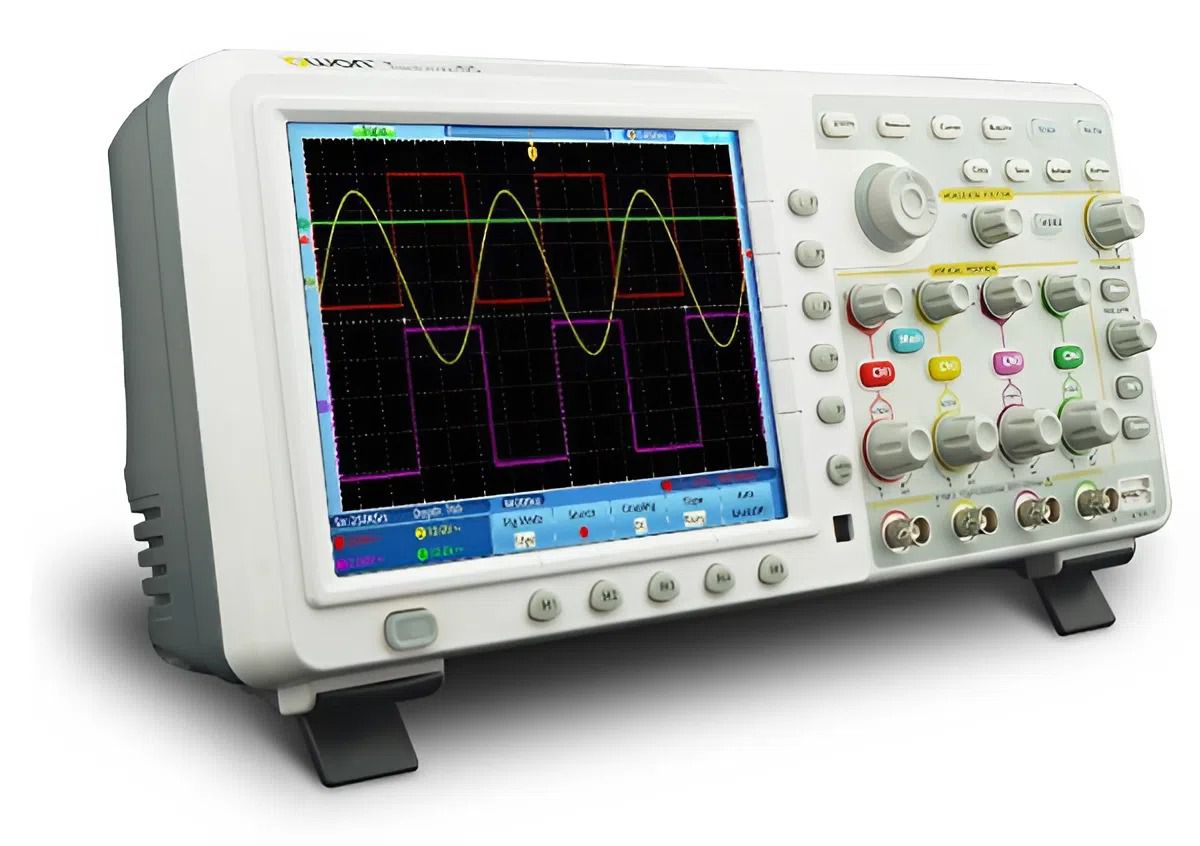
In addition to the technician's skills, using the right oscilloscope is equally important. A good machine will help find errors quickly and give clear results, avoiding the need to measure over and over again. Usually, quality machines will have stable parameters, standard display, and a sturdy outer shell, allowing for long-term use without worrying about minor breakdowns.
Don't forget to check the probe
It sounds simple, but even experienced workers often skip this step: calibrate the measuring stick before measuring the sine wave amplitude. If you forget, the results are likely to be off, especially when you need to measure quickly. It's a waste of time just because of a small operation.
Utilize 2 channels of oscilloscope
Most oscilloscopes have at least 2 channels, so why not use them? For low frequency signals, it is much more convenient to turn on both channels. A little tip: you can set one channel to AC mode, the other to DC to eliminate noise faster. Note that the amplitude of the two channels should be similar for accurate results.
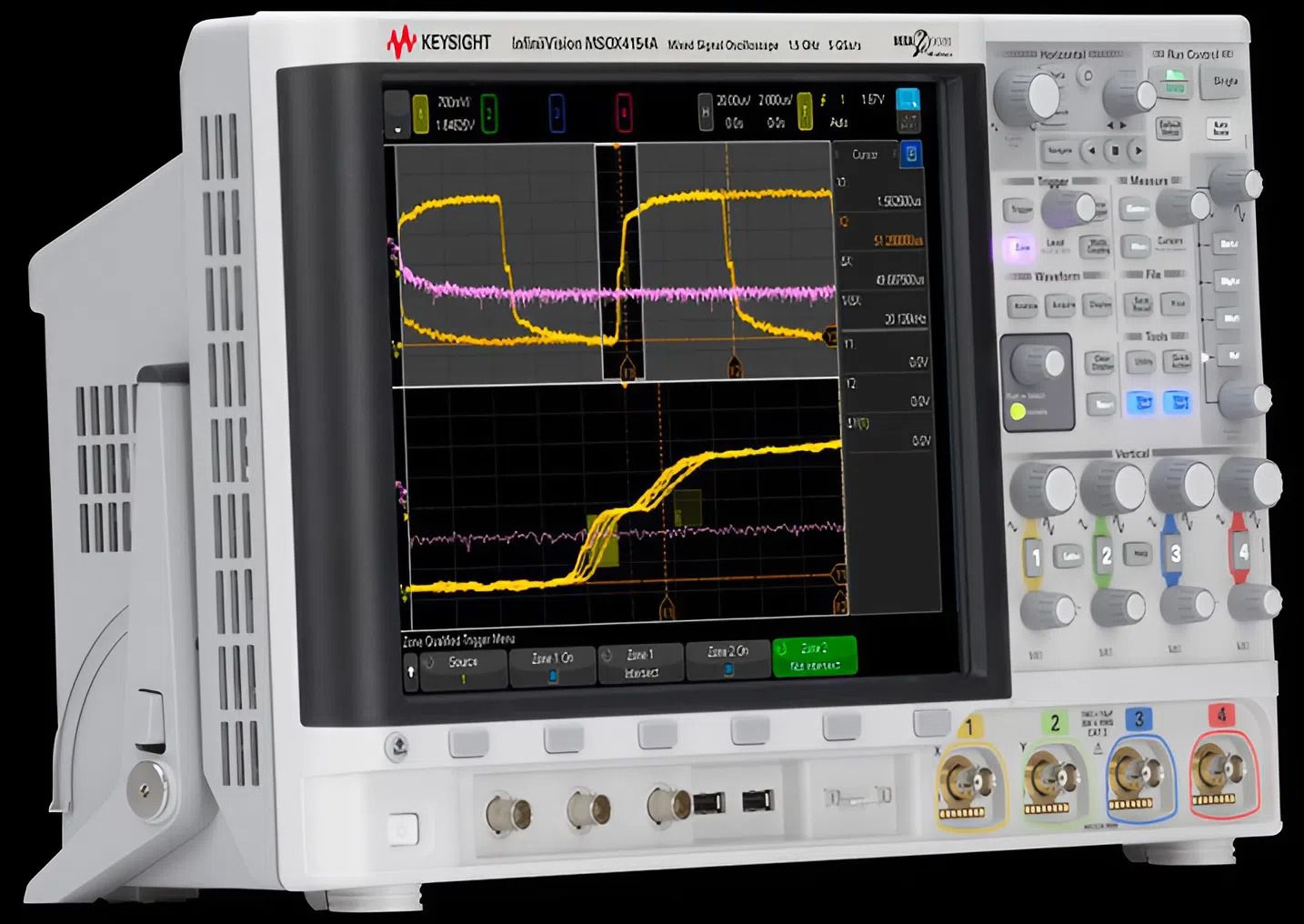
During the measurement, if you turn on the CH1-CH2 display and place the two probes at the right point to be tested, you will easily filter out the excess AC components, keeping the signal part to be analyzed. This method both saves time and helps the results to be more accurate.
Homemade magnetic probe
A neat little trick is that you can turn your oscilloscope probe into a magnetic probe by simply connecting the probe's ground wire to the probe. This allows you to detect oscillations on various noise sources without having to touch them directly. When testing, make sure the probe loop is at a 90° angle to the signal to get the strongest signal.
Understand the nature of operating noise
In addition, to handle it quickly, you must first understand it: if the noise gradually decreases, it is likely due to a voltage drop; and if it increases suddenly, it is usually due to a sudden increase in some value. Paying attention to the direction of the noise will help you localize and fix the error faster and more accurately.
In addition, to better understand the oscilloscope, you can read more articles as follows:
Group control core on oscilloscope and how to use it
Need to read this article before buying a used oscilloscope
What are the common functions of handheld oscilloscopes?
The easiest oscilloscope user guide
Latest solution from Tektronik: Tektronix launches Tektronix DPO Series 7 Digital Oscilloscope - The new standard for performance measurement equipment
Create your own work grid on the screen
Although many newer models have sophisticated waveform analysis features, you can still “customize” the grid to make it easier to follow. A manual and effective way is to use transparent tape (like ChartPak) directly on the screen, then mark the special signals. When the wave appears with the right sign, you will recognize it without having to look too long.
Above are 6 tips that you can apply when you first start using it, saving both time and headaches when encountering strange signals. In addition to oscilloscopes, technical people are probably familiar with multimeters or clamp meters, which are also extremely useful when you need to quickly check circuits or components. If you are learning more about these devices or need to choose the right type for your job, you can refer to EMIN, we are ready to support and share more experiences.