Medical measuring equipment
Reliable measurement is at the center of everyday healthcare workflows, from quick screening at the point of care to routine checks in home use, clinics, and veterinary practice. This category brings together Medical measuring equipment used to capture essential health data such as temperature, hearing support parameters, and animal health indicators, helping users choose tools that fit practical diagnostic and monitoring tasks.
Because measurement needs vary widely between human healthcare and veterinary applications, the right device is not only about reading a value on a screen. It also depends on how the measurement is taken, the environment, the required level of speed, and whether the equipment is intended for screening, monitoring, or early detection support.
Where medical measuring equipment is used
In healthcare settings, measurement devices are selected to support fast, repeatable, and easy-to-interpret results. Common use cases include body temperature screening, hearing assistance, and non-invasive routine checks in outpatient care, home care, and wellness environments. Devices in this category are therefore often valued for portability, simple operation, and suitability for frequent use.
The scope also extends into veterinary work, where measurement supports herd management, breeding decisions, and early detection of conditions that may not yet show visible symptoms. This makes the category broader than standard consumer health devices, covering both human-focused instruments and specialized animal monitoring tools.
Temperature measurement devices for fast screening and routine checks
Temperature is one of the most frequently monitored parameters in medical practice, so thermometers remain a core part of this category. Depending on the use case, buyers may prefer contact or non-contact methods, with key considerations including response time, ease of aiming, measurement range, and the practical operating distance between the device and the subject.
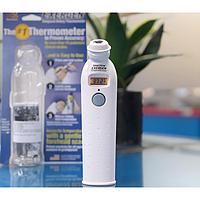
For example, the EXERGEN portfolio is represented here by the EXERGEN TAT-2000C Temporal Artery Thermometer, designed for surface temperature measurement over the temporal artery. Non-contact options are also available from DaiHan, including models such as The01 and THE19, which are suited to quick healthcare screening where convenience and minimal contact are important.
When comparing thermometers, buyers typically look at factors such as measurement mode, resolution, acceptable accuracy range, and how the device behaves in busy environments. In many workflows, compact size, battery operation, and clear display visibility are just as important as the technical reading itself.
Hearing-related devices and practical selection points
Another important part of this category is hearing support equipment. These products are chosen based on hearing level, gain, output sound pressure, frequency range, battery format, and physical wearing style. For professional buyers or distributors, it is important to match the device profile to the expected user group rather than focusing on a single specification in isolation.
RION is one of the notable manufacturers in this area, with examples such as the HC-A1, HM-06, HM-04, and HB-23P. Across these models, users may encounter differences in gain, maximum output, noise performance, and battery life, which can influence suitability for mild to moderate hearing support needs or for users who prioritize compact form factors.
In practical terms, hearing devices should be evaluated not only for acoustic performance but also for everyday usability. Battery availability, maintenance requirements, cleaning accessories, and handling comfort often play a major role in long-term use.
Veterinary measurement equipment for breeding and herd health
This category also includes veterinary measurement tools that support reproductive management and animal health monitoring. These devices are especially relevant for breeders, farms, and veterinary professionals who need fast field-ready instruments for routine checks without relying on large diagnostic systems.
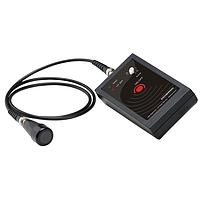
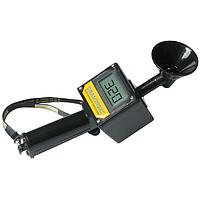
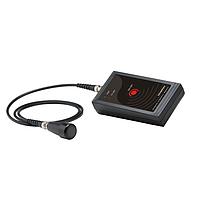
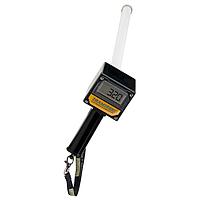
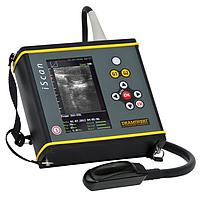
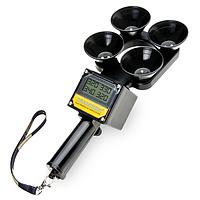
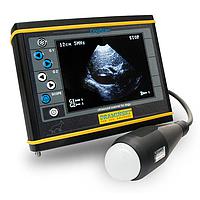
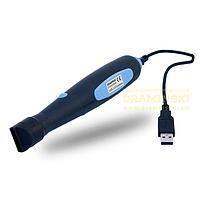
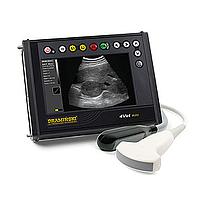
Examples from DRAMINSKI illustrate this clearly. The DRAMINSKI PDD Pregnancy Detector for dogs and the DRAMINSKI PDS Pregnancy Detector for sheep and goats are intended to help detect pregnancy by using ultrasound-based principles. The DRAMINSKI MD4Q Mastitis Detector is used to support early mastitis screening by measuring changes related to milk conductivity or resistance, while the EDP 2 and EDC 2 models are designed for estrous detection in pigs, cows, and horses.
These products are not interchangeable, even if they may appear similar at first glance. Selection depends on the target animal, the type of physiological condition being monitored, probe design, data handling requirements, and whether the user needs a simple portable checker or a device with memory and data transfer functions.
How to choose the right device for your application
A good selection process starts with the measurement objective. Are you screening body temperature, supporting hearing, checking reproductive status in animals, or looking for early signs of a developing health issue? Defining that purpose first helps narrow the field much faster than starting from brand or price alone.
Next, consider the operating environment. Some users need handheld devices for mobile use, while others need equipment that can withstand repeated daily measurements in clinics, farms, or home-care settings. Battery type, display readability, response speed, and maintenance effort all affect how practical a device will be over time.
It is also worth reviewing whether data storage or transfer matters in your workflow. Some advanced veterinary detectors in this category include memory and USB-based data handling, which can be useful when traceability, reporting, or long-term monitoring is required. For simpler applications, a straightforward device with clear operation may be the better fit.
Working with trusted brands in medical and healthcare measurement
Brand choice matters in B2B purchasing because it often reflects expected product continuity, documentation quality, and familiarity in the field. This category includes recognized names across different segments, such as Fluke (Biomedical), OMEGA, OMRON, AirSep, Arkray, Beurer, EXERGEN, RION, DaiHan, and DRAMINSKI.
Not every manufacturer serves the same application area, so the best approach is to align the brand with the task. Some brands are more associated with temperature and routine health checks, while others are better known for veterinary diagnostics or hearing-related solutions. Looking at the product role within the wider workflow is usually more helpful than comparing brands in the abstract.
What matters most in B2B sourcing
For distributors, clinics, laboratories, veterinary users, and industrial healthcare buyers, specification review should always be tied to actual use conditions. A device may look suitable on paper, but details such as measurement method, ergonomic design, consumable needs, probe layout, or power autonomy can make a significant difference after deployment.
It is also useful to think in terms of equipment ecosystem rather than a one-off purchase. Many buyers need consistency across multiple sites, compatibility with existing routines, and reliable restocking options for the same device family. This is especially relevant when standardizing temperature screening tools or building a repeatable veterinary testing workflow.
If your requirement is more specific, you can also explore dedicated categories such as hearing aids for hearing support applications or veterinary equipment for animal health and breeding diagnostics.
Choosing with confidence
The most effective medical measuring equipment is the equipment that fits the job, the user, and the environment in which it will be used. From infrared thermometers and temporal artery thermometers to hearing devices and veterinary detectors, this category covers a practical range of instruments for healthcare and animal health monitoring.
By comparing function, usability, and application fit, buyers can make more informed decisions and build a measurement setup that supports reliable day-to-day work. If you are selecting for a clinic, reseller portfolio, or veterinary operation, focusing on intended use and workflow compatibility will lead to better long-term results than choosing on specifications alone.
Get exclusive volume discounts, bulk pricing updates, and new product alerts delivered directly to your inbox.
By subscribing, you agree to our Terms of Service and Privacy Policy.
Direct access to our certified experts