If the vacuum starts making more noise than usual, you should check it promptly rather than continuing to use it until suction drops drastically or the machine stops completely.
If the vacuum pump is making a continuous screeching or growling noise, the bearings need checking
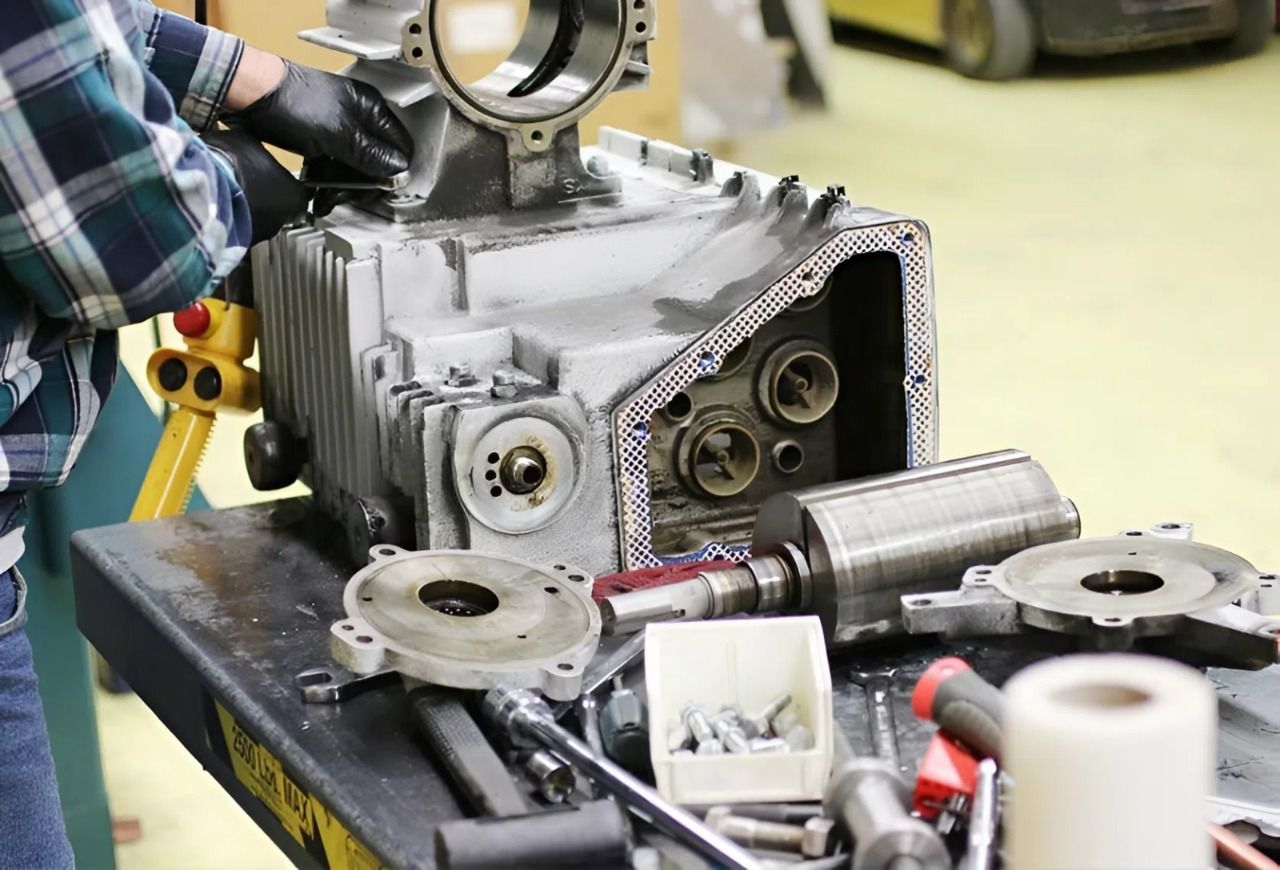
Worn bearings are a common issue in pumps that have been in operation for a long time. When bearings become loose, lack lubrication, or are damaged, the shaft no longer rotates smoothly. Continuous squealing or growling noises often occur, intensifying as the motor speed increases.
If the noise is most audible near the motor or the shaft end, the bearings should be inspected first. Severely worn bearings must be replaced to prevent damage to the shaft and related components.
Rattling noise; the vanes may be worn or jammed by foreign objects
In rotary vane vacuum pumps, the rotor and vanes must rotate continuously within the pump chamber. Dust or foreign objects entering through the intake can cause the vanes to chip, jam, or strike the chamber walls. A rattling sound emanating from the pump body is often a warning sign; this may be accompanied by reduced suction and increased vibration.
The intake filter, suction piping, and pump chamber should be inspected and cleared of foreign objects, while worn or damaged vanes must be replaced with the correct type.
Pump vibrates strongly and makes noise: check the rubber coupling
The rubber coupling situated between the motor and the pump shaft serves to transmit motion and dampen vibration. Over time, the rubber may crack, degrade, or break, causing misalignment between the two shafts.
In such cases, the pump typically vibrates more intensely than usual and produces noticeable noise, which may intensify as the motor speed increases. Inspecting the coupling and the alignment between the motor and pump shaft helps quickly identify the cause. A damaged coupling should be replaced.
Oil pump making a harsh, grinding noise; check oil level and quality
Vacuum pump oil serves to lubricate, seal, and assist in cooling the pump's internal components. Excessively low oil levels lead to increased friction. Oil degradation, thickening, or contamination with impurities can cause similar issues.
A loud, strained grinding noise accompanied by a rise in pump body temperature is often a sign that the oil needs to be checked. Oil levels should be inspected in accordance with the manufacturer's guidelines. Degraded oil must be drained and replaced with the specific type of oil recommended.
A clogged air filter causes the pump to make a louder noise
Dirt accumulation on the filter obstructs airflow through the system. The pump must work harder to achieve the required vacuum level, resulting in increased noise and potentially reduced suction power. A clogged oil separator filter causes similar issues in oil-lubricated vacuum pumps. If the pump sounds louder than usual, checking the filter is a simple yet crucial step that should not be overlooked. Filters can be cleaned or replaced depending on their condition and the manufacturer's guidelines.
A noise like gravel or stones clattering together
A rattling or gravel-like sound inside the pump body may indicate cavitation. When pressure fluctuates unstably, air bubbles continuously form and collapse, generating noise and vibration.
The suction piping, connections, valves, and pressure control system should be inspected when this symptom appears. Air leaks or piping layouts that do not meet the pump's specifications can cause continuous pressure fluctuations.
Read more: Which Vacuum Pump Should You Choose for a Microbiology Lab to Avoid Affecting Samples?
What should be checked before removing the pump?
Not every instance of a noisy pump stems from internal damage. You can begin with these simple steps:
Identify the source of the noise → check piping and filters → inspect the oil and oil pump → check for vibration and coupling issues → examine bearings, vanes, and internal components.
Suction force, vacuum levels, casing temperature, and vibration should also be monitored simultaneously. Noise occurring immediately upon startup suggests a different cause than noise that only develops after the machine has been running for some time.
Noise that intensifies over time often indicates component deterioration. If the cause remains unidentified, you can contact EMIN for an inspection and consultation regarding the vacuum pump's condition before deciding whether to repair or replace the equipment.