


Chromium meter
Durability of the Chromium Oxide Layer on Machine Components
Chrome plating is essentially the process of forming a chromium oxide layer that coats the surface of the base metal, enhancing resistance to weather conditions, dust, and both alkaline and acidic environments. In industrial practice, hard chrome plating is commonly applied to machine components where surfaces operate continuously under friction and are subjected to significant mechanical stress. Unlike decorative chrome plating, which prioritizes surface gloss and appearance, hard chrome plating places much higher demands on adhesion, uniformity, and the long-term durability of the coating layer.
The quality of the chromium oxide layer depends not only on the base material but is also directly influenced by pre-treatment stages such as degreasing, rust removal, and surface polishing. In addition, current density during the electroplating process plays a decisive role. When the electric current is unevenly distributed, the plated layer is prone to discoloration, surface roughness, or insufficient coverage that fails to meet technical requirements.
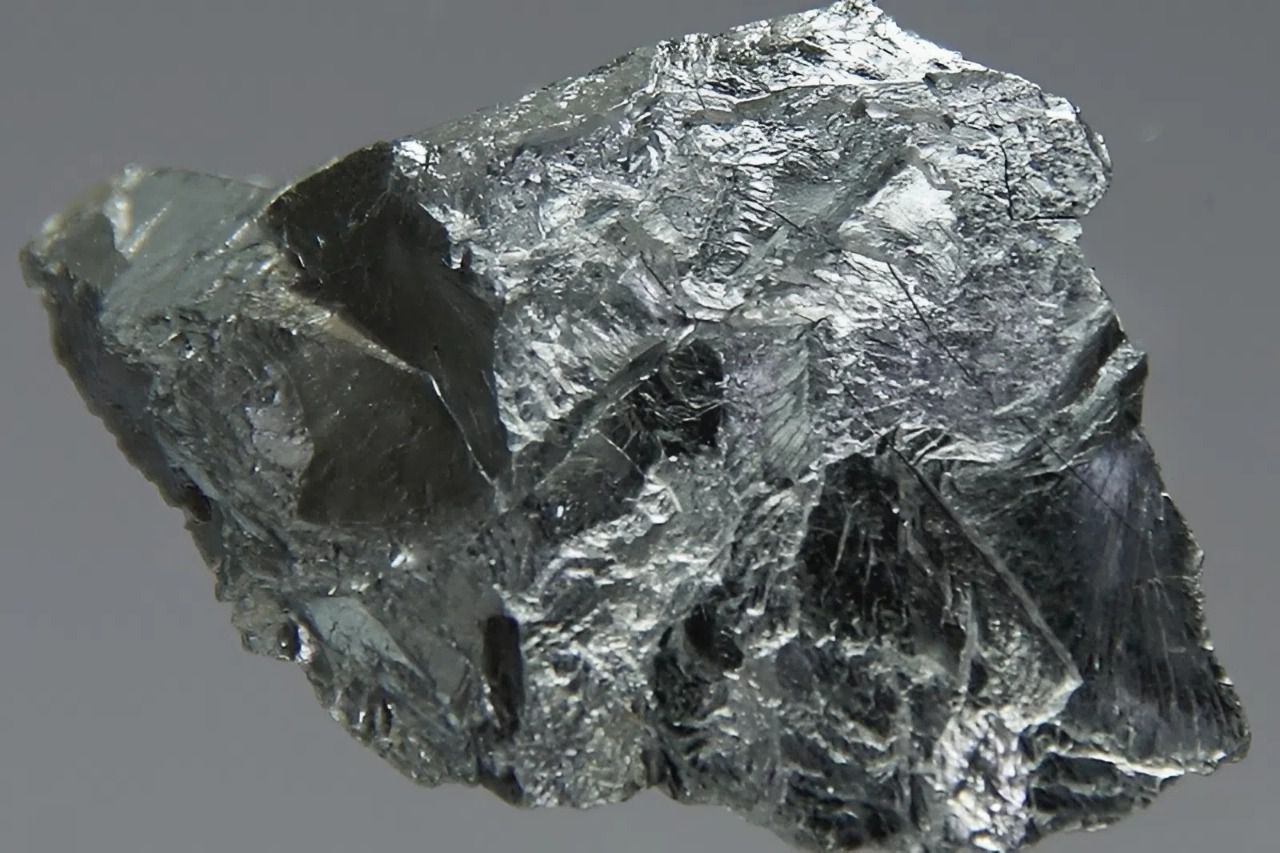
Key factors ensuring a stable and uniform plated layer
In real machining conditions, defects such as pitting, pinholes, or peeling of the plated layer often originate from insufficient surface cleaning of the metal substrate. However, beyond mechanical preparation, the chemical composition of the plating solution is the core factor that directly affects the final color and durability of the chromium layer.
Monitoring chromium concentration in the plating bath, especially Chromium VI, allows technicians to maintain proper control over the solution condition and promptly adjust electroplating parameters. When the concentration exceeds acceptable limits or drops without early detection, defects in the plated layer are likely to occur, increasing the risk of rework and material waste. In this context, Chromium VI concentration measuring devices are increasingly used in plating workshops to quickly check chemical levels directly on the production line, rather than relying solely on visual judgment or experience.
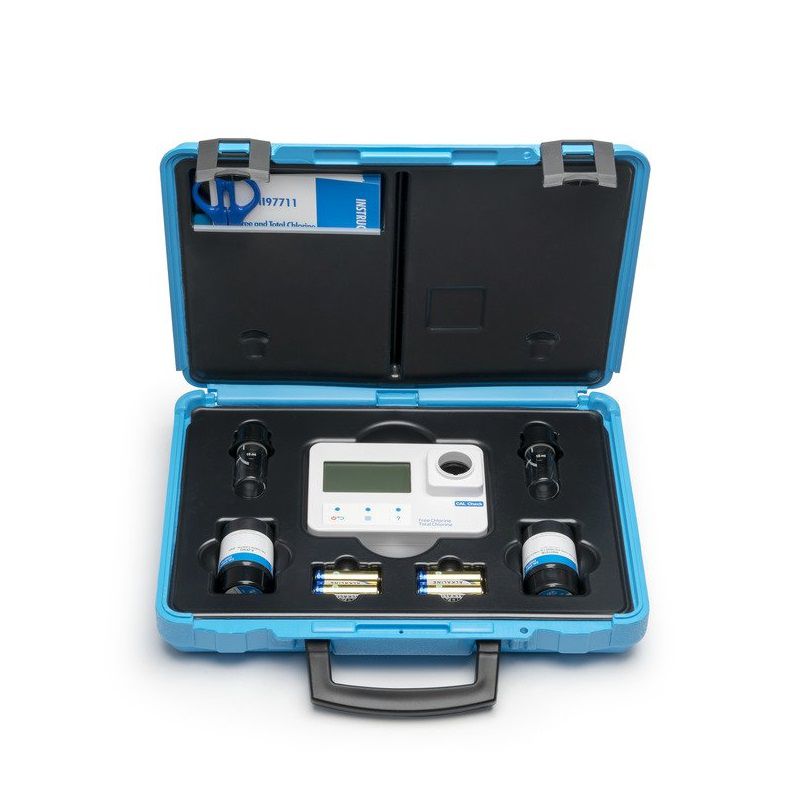
Quality control after the plating process
After machine components are removed from the plating bath and dried, inspecting color and surface coverage becomes a critical step in evaluating the quality of the chromium oxide layer. A compliant plated layer should exhibit a smooth surface, strong adhesion, and no signs of pinholes or localized peeling.
Alongside visual inspection, controlling residual chromium levels in post-plating rinse tanks also contributes to protecting equipment and maintaining long-term stability of the production line. Measuring and monitoring residual chromium concentrations using reagents and dedicated measuring instruments enable operators to clearly understand the actual condition of the solutions and adjust the cleaning process accordingly. The measured data serve as an important technical basis, helping plating facilities maintain consistent product quality and ensure the durability of the chromium layer throughout its service life.
Reference Chromium VI concentration measurement products at: EMIN Chromium Concentration Meters
-
-
-
-
-
-
-
-
-
-
-
-
-
-
-
-
-
-
-
-
-
-
-
-