


Sulfate meter
Controlling Sulfate Levels in Water to Protect Your Skin and Hair
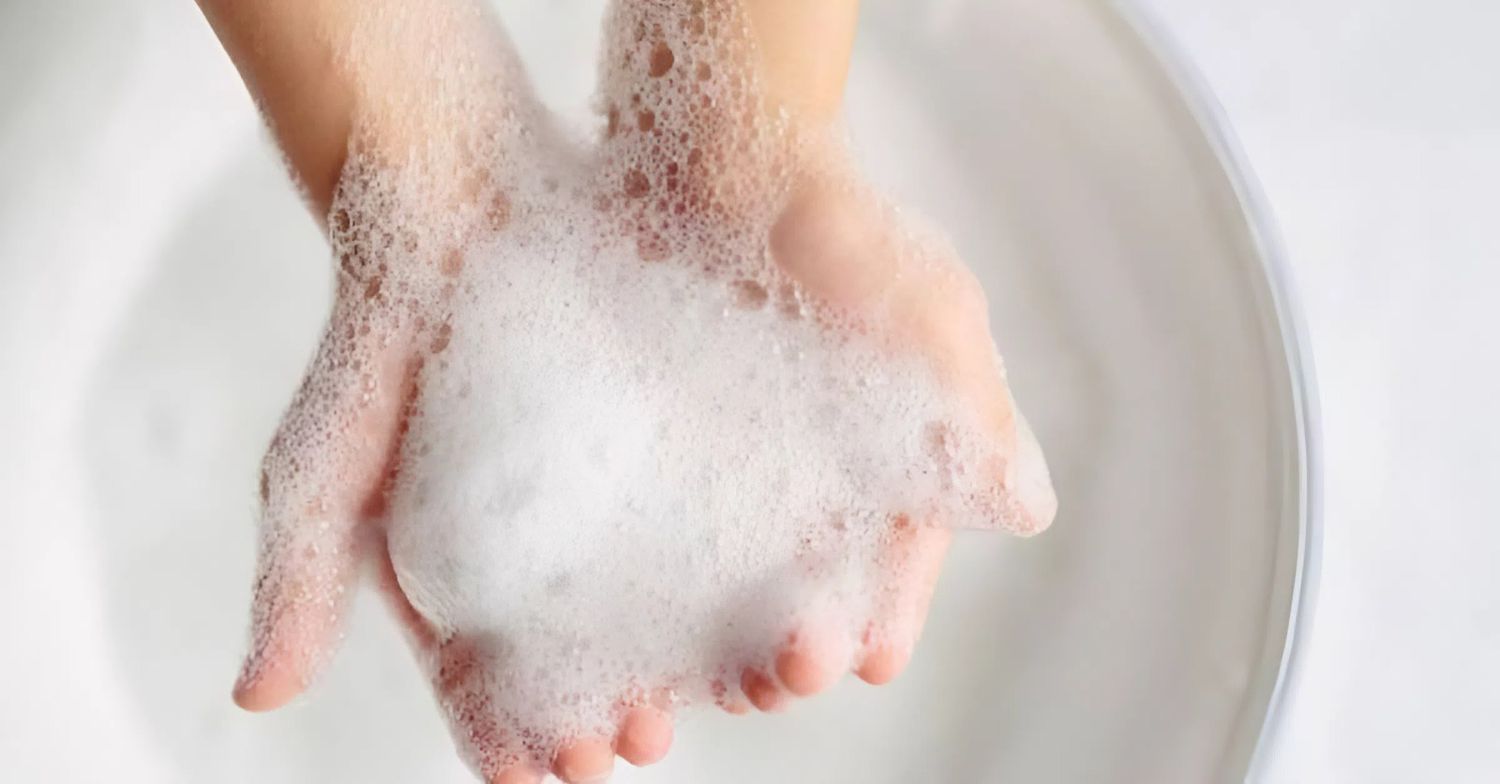
Many people experience an itchy scalp after shampooing or dry, rough hands after using body wash without really knowing why. In reality, this often comes from sulfate ingredients found not only in the shampoo bottles we use every day but also in the household water supply itself. Sulfates are responsible for creating strong foam and removing oils very effectively, but in doing so, they can also strip away the skin’s natural moisture barrier that helps protect it. With prolonged exposure, sulfates may cause split ends and dry, brittle hair by damaging the natural protein structure of the hair fiber.
What makes this more concerning is that when the skin becomes dry, the body tends to produce even more oil to compensate. This can lead to greasy scalps or acne-prone facial skin. Despite this, many people still prefer products that foam heavily because they associate foam with cleanliness. In reality, more foam does not necessarily mean better cleansing. Switching to naturally derived products combined with regular water quality checks can significantly improve the health of both your skin and hair.
Sulfates Hidden in Everyday Household Water
Beyond cosmetic products, sulfates are also present in the water we use daily for bathing and washing. Sulfates in water often originate from naturally occurring minerals in the soil or from nearby wastewater sources. When sulfate concentrations are too high, they not only make hair feel stiffer and drier after washing but can also contribute to corrosion in water pipelines.
This is especially important for households that rely on well water or are located near industrial zones, where understanding sulfate levels becomes highly recommended. Water with high sulfate content often has a slightly unusual odor and may cause digestive discomfort if used for drinking. For this reason, monitoring sulfate levels in household water is one of the most direct ways to protect your family’s health from subtle environmental impacts.
How to Monitor Sulfate Levels in Water to Ensure Safety
Determining whether sulfate levels in water or in cosmetic formulation processes are within safe limits cannot be done by visual observation alone. Rather than relying on guesswork, precise numerical data is essential to ensure that the water coming into daily contact with the body is truly safe and non-irritating over the long term.
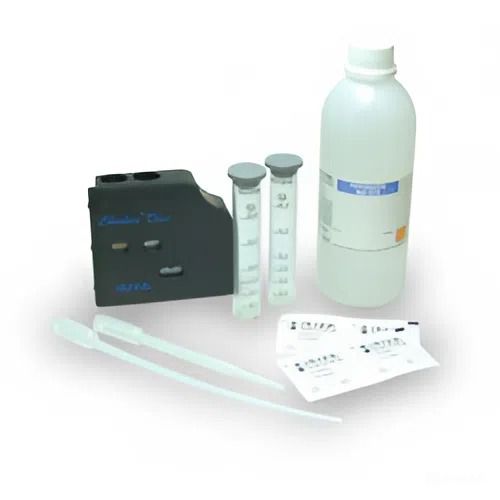
At EMIN, there are effective solutions available for monitoring this parameter, such as the Hanna HI3822 Sulfate Test Kit with 100 tests and the HANNA HI97751C Sulfate Photometer for water analysis. These instruments are designed to accurately indicate the actual sulfate concentration in household water or water used in production processes. Using the HANNA HI93751-01 Sulfate Reagents further simplifies and clarifies the testing process, making it convenient to perform checks at home or in the workplace.
Small Habit Changes for Long-Term Health Protection
Understanding sulfates more clearly helps you develop a more informed perspective on cosmetic products and the water sources around you. Instead of allowing your skin to endure harsh cleansing agents, using instruments such as the HANNA HI97751C Sulfate Photometer enables better control over chemical levels in both production and household water.
This not only helps reduce hair loss and skin dryness but also supports the monitoring of pollution effects entering water sources on a daily basis. Adopting new habits supported by clear, reliable measurement data allows you to feel more confident and at ease when caring for yourself and your family every day.
-
-
-
-
-
-
-
-
-
-
-
-
-
-
-
-
-
-
-
-
-
-
-
-