Pressure Measurement
Reliable pressure data is essential in HVAC systems, cleanroom monitoring, filter supervision, process control, utilities, and many industrial maintenance tasks. When engineers and buyers look for the right instrument, they usually need more than a product list—they need a clear view of measurement principles, application fit, and the practical differences between fixed gauges, portable meters, and sensor-based solutions.
This Pressure Measurement category brings together instruments used to measure differential, gauge, and related low-pressure conditions across industrial and technical environments. The range is relevant for continuous monitoring on panels and machines as well as for troubleshooting, commissioning, and field verification where portability and fast setup matter.
Where pressure measurement is used in practice
Pressure measurement supports both process stability and equipment protection. In ventilation and air handling systems, low differential pressure is often monitored across filters, ducts, dampers, and fans to confirm airflow conditions and identify clogging or imbalance. In laboratories and controlled environments, pressure readings help maintain room differentials and support contamination control strategies.
In broader industrial settings, pressure instruments are also used to verify pneumatic lines, monitor gas or air systems, and provide a simple visual indication at the point of use. Teams that also work across adjacent measurement tasks may want to explore related areas such as flow measurement or level measurement when a process variable cannot be evaluated from pressure alone.
Mechanical gauges and portable instruments serve different needs
A useful way to approach this category is to separate continuous indication from portable diagnostic work. Mechanical differential pressure gauges are commonly installed on panels, enclosures, filters, or duct systems to provide a permanent local reading with minimal setup. They are especially common in building services, low-pressure air systems, and general monitoring where operators need a quick visual check.
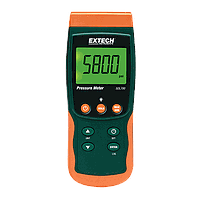
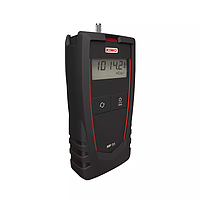
Portable instruments, by contrast, are often chosen for commissioning, maintenance, and balancing. A handheld airflow meter or micromanometer can be more suitable when measurements are taken at multiple points, when values need to be compared across locations, or when temporary verification is required without permanent installation.
Representative products in this category
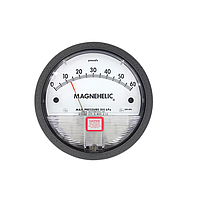
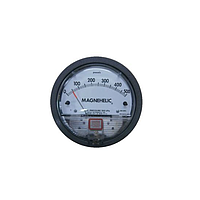
This category includes well-known options from Dwyer, particularly for low differential pressure indication. Models such as the Dwyer 2000-60PA, Dwyer 2000-300PA, Dwyer 2000-500PA, and Dwyer 2000-750PA illustrate common fixed-mount selections for air and compatible gas service. For applications requiring bidirectional measurement around zero, examples like the Dwyer 2300-60PA, 2300-100PA, and 2300-120PA show how negative-to-positive ranges can support room pressure or draft monitoring tasks.
Where a portable solution is more appropriate, the FLUKE FLUKE-922 Airflow Meter/Micromanometer is a relevant example for field diagnostics. It fits situations where users need to check airflow-related pressure conditions during service, maintenance, or system balancing rather than maintain a fixed dial indication on site.
How to choose the right pressure measurement instrument
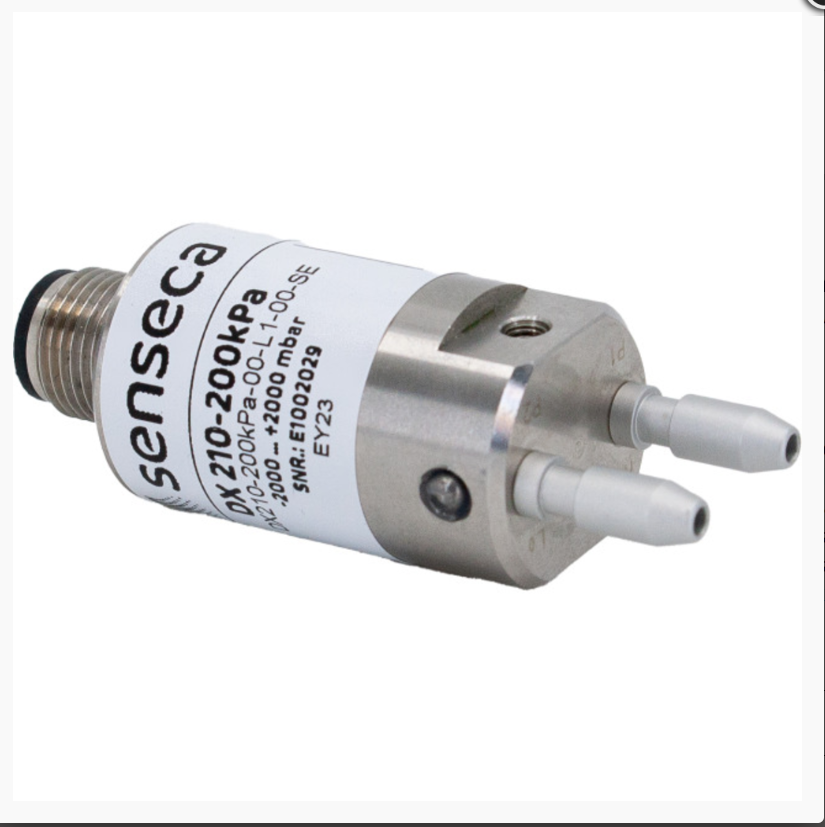
The first selection step is the pressure type. Differential pressure instruments compare two points and are often used for filters, ducts, rooms, and airflow-related monitoring. This is different from applications focused on line pressure or general process pressure, where another instrument class may be more suitable. If your project moves beyond local indication into signal transmission for control systems, a pressure transmitter may be the better fit.
The second step is range selection. For low-pressure air applications, choosing a range that is too wide can reduce reading resolution in normal operation, while choosing one that is too narrow may leave little margin for startup peaks or abnormal conditions. Examples in this category span very low Pa ranges, kPa ranges, and in H2O ranges, which helps users match the instrument scale to the expected operating window.
The third factor is installation and readability. Many of the featured Dwyer gauges use a 4-inch dial format and 1/8" NPT female pressure ports, which are practical details for panel or local mounting. Buyers should also consider whether the process requires simple visual indication, recurring field checks, or integration into a broader monitoring architecture.
Understanding low differential pressure applications
Low differential pressure measurement is especially important because small changes can indicate meaningful process conditions. A rising pressure drop across a filter can point to loading and reduced airflow. A slight room pressure offset can determine whether air moves into or out of a controlled area. In these cases, the instrument must be chosen for the expected operating band, not just the maximum possible pressure.
Products such as the Dwyer 2003, Dwyer 2010, and Dwyer 2000-1KPA demonstrate how measurement scales vary depending on the application. A lower range can make small pressure changes easier to interpret, while a higher range may be more appropriate for systems with larger pressure drops. For troubleshooting and verification at multiple points, some users may also compare fixed gauges with instruments in the manometers category to decide whether permanent installation or portable testing is more practical.
Brand context within this category
Several established manufacturers appear across the broader pressure and instrumentation portfolio, including Amphenol, Brooks Instrument, Chauvin Arnoux, DANFOSS, Dwyer, FLUKE, Fluke (Calibration), INFICON, Jumo, and KYOCERA AVX. Within the products highlighted here, Dwyer stands out for analog differential pressure gauges, while FLUKE is represented through a portable airflow meter and micromanometer approach.
That distinction is helpful for procurement and engineering teams. Some projects prioritize a robust local display with simple operation and no power requirement, while others need mobile measurement capability during inspection or balancing work. Looking at manufacturer strengths in relation to the measurement task often leads to a faster and more accurate shortlist.
What to review before ordering
Before selecting a device, confirm the medium, expected pressure range, connection style, mounting approach, and required reading accuracy. For low-pressure air and compatible gas service, differential pressure gauges are often straightforward to apply, but the selected range should still reflect normal operating conditions rather than only the fault condition. It is also worth checking whether the instrument will be used only for local indication or as part of a broader maintenance workflow.
For many industrial buyers, the most efficient approach is to define the measurement point first, then the range, then the installation method. From there, it becomes easier to compare whether a fixed gauge like the Dwyer 2000 series, a bidirectional low-pressure model in the 2300 series, or a portable unit such as the FLUKE-922 better fits the application.
Conclusion
Choosing pressure instrumentation is ultimately about matching the measurement method to the real operating condition. This category covers the instruments most often used when users need dependable indication of low pressure and differential pressure in air and compatible gas systems, whether for permanent monitoring or portable diagnostics.
By comparing range, pressure type, installation style, and intended use, buyers can narrow the selection more effectively and avoid overspecifying or underspecifying the instrument. If your application also involves related process variables, exploring the surrounding measurement categories can help build a more complete and practical instrumentation setup.
Get exclusive volume discounts, bulk pricing updates, and new product alerts delivered directly to your inbox.
By subscribing, you agree to our Terms of Service and Privacy Policy.
Direct access to our certified experts