Hydrostatic head testing is a practical method for assessing how a fabric resists water penetration when water pressure is applied to one side of the specimen. It is widely relevant to waterproof fabrics and can also be used to examine fabrics that have received a waterproof treatment. Rather than evaluating water beading on the surface alone, the method focuses on the point at which water passes through the material under controlled hydrostatic pressure.
What is hydrostatic head testing?
In a hydrostatic head test, one side of the fabric is placed in contact with water while pressure is applied and increased or controlled according to the selected procedure. The opposite side of the fabric is observed for water penetration. The pressure level, water-column height, time to the appearance of drops, or amount of water passing through can be used to describe the fabric’s resistance.
This approach is useful because a fabric’s response to pressurized water is influenced by several material characteristics. Fiber water resistance, yarn construction, and fabric structure can all affect the result. A hydrostatic head result should therefore be understood as a measurement of performance under the stated test conditions, not as a direct substitute for every type of surface spray or rainfall exposure.
What the result indicates
Hydrostatic pressure provides an indication of the pressure a fabric can withstand before water penetrates. In general, a higher measured pressure means that greater water pressure was required before leakage was observed, indicating stronger resistance to water penetration in that test. A lower result indicates that penetration occurred at a lower pressure.
For waterproof materials, laboratories may record the time required for water drops to appear on the side away from the water source. Depending on the procedure, they may instead count the drops appearing over a defined time or record the pressure at a specified level of penetration. Consistent specimen preparation and clear observation criteria are important because they support meaningful comparison between samples.
Static and dynamic pressure approaches
Static pressure method
Under a static approach, hydrostatic pressure is applied to one side of the specimen and observations are made while that pressure is maintained. The evaluation can consider the amount of water discharged, the time before a drop appears, or the pressure associated with a stated amount of water penetration. Results may be expressed using water-column height or pressure, depending on the test setup and reporting method.
Dynamic pressure method
A dynamic pressure approach follows the same general principle of applying water pressure and observing penetration, but pressure changes during the test. This type of approach can be relevant for coated fabrics or fabrics with a tight structure. In either approach, the endpoint and pressure program need to be defined before testing so that results from multiple specimens can be evaluated on the same basis.
Example conditions described for AATCC 127-2003
The source procedure for AATCC 127-2003 describes testing at least three specimens cut along the diagonal direction, each measuring 200 mm × 200 mm. If the two fabric sides have different water-resistance characteristics, the test side should be marked. The described test uses distilled water at 21 ± 2 °C and a test area of 100 cm², with the designated test surface in contact with water.
In the stated procedure, water pressure is increased at 60 mbar per minute, or 10 mm per second. Testing ends when water droplets leak through at three different locations on the specimen. Drops appearing within 3 mm of the specimen holder are excluded from the observation. The reported result is the average from three specimens tested under the same conditions.
Good practice for reliable fabric water-resistance results
Use multiple specimens and average the results when the selected method calls for it. Keep the test side consistent, especially for materials with different face and back surfaces. Control the water temperature, test area, pressure increase rate, and endpoint definition. These details affect the result and should be documented with the test report.
It is also important to distinguish water resistance under hydrostatic pressure from water repellency at the surface. A fabric may respond differently to spray, rain, and sustained pressure. Selecting a method that matches the product’s intended use helps quality-control teams make a more relevant assessment.
Equipment referenced for hydrostatic head testing
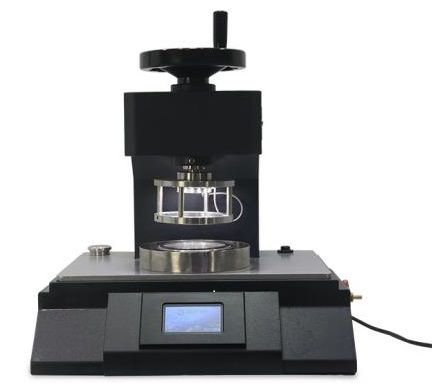
Hydrostatic Head Tester For Textile selection should align with the intended test procedure, specimen type, and required pressure-control approach.
Refer products:
GT-C33, GT-C26A, GT-C26B-1, GT-C26B-2, GT-C26B-3