What does the COD index in wastewater indicate?
COD (Chemical Oxygen Demand) or chemical oxygen demand is the amount of oxygen needed to oxidize all oxidizable organic and inorganic substances in a water sample.
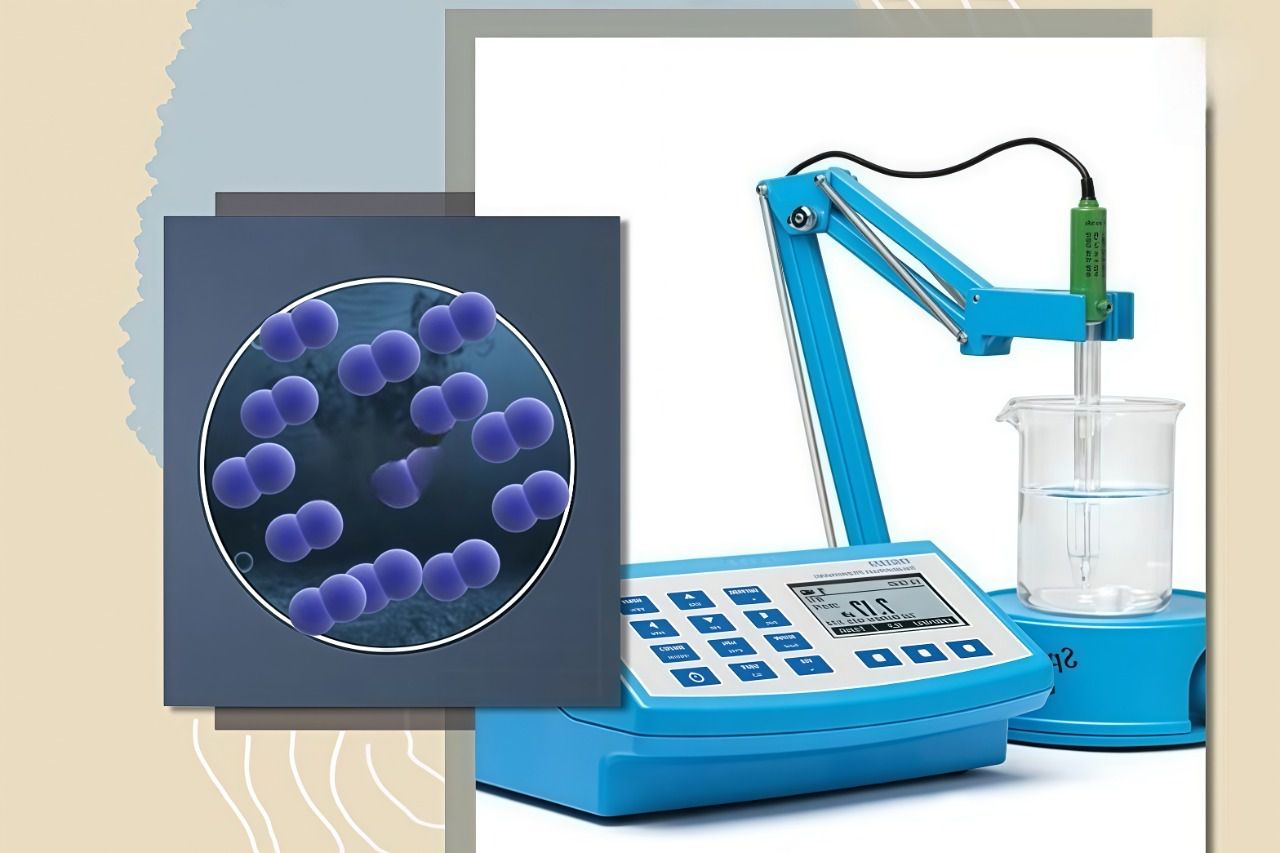
When COD and BOD values increase, the amount of dissolved oxygen (DO) in the water will decrease, directly affecting the life of aquatic organisms and causing imbalance in the ecosystem. Therefore, COD is a key indicator in assessing the level of pollution of water sources, from wastewater, surface water to domestic water. The higher the COD content, the higher the level of organic pollution, indicating that the water source contains many impurities that need to be treated promptly.
Hàm lượng COD trong nước thải sinh hoạt là bao nhiêu?
Normally, COD in domestic wastewater fluctuates between 200 - 500 mg/l, depending on the level of water use and the amount of organic matter generated. However, according to QCVN 40:2011/BTNMT (Column B), the allowable limit for discharge is only 150 mg/l. Thus, most domestic wastewater today has a COD index exceeding the standard from 0.3 to 2.3 times, needing to be treated before being discharged into the environment.
How to determine COD index in wastewater
To determine the COD index, people often use the oxidation method with potassium dichromate (K₂Cr₂O₇) in sulfuric acid (H₂SO₄) environment with silver catalyst. This process will oxidize organic compounds in the water sample, thereby determining the amount of oxygen needed for the reaction.
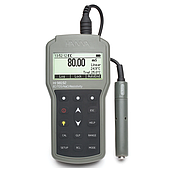
Laboratories or wastewater treatment plants often use specialized COD meters to shorten analysis time and increase accuracy. This device has the ability to automatically compare colors, giving quick results in just 15-20 minutes, instead of having to perform complicated manual titration steps.
Reasons why COD index exceeds standard in wastewater
COD exceeding the threshold is often caused by excessively high organic matter content, mainly due to domestic or production activities. Wastewater containing a lot of grease, detergents, leftover food, garbage or industrial waste all significantly increase the amount of oxygen needed for decomposition.
In addition, wastewater treatment systems that are not regularly maintained are also common causes. Weak activated sludge, lack of oxygen or too high a load cause the organic matter decomposition process to be incomplete, leading to an output COD index higher than the allowable limit.
Common methods of COD treatment in wastewater today
Currently, there are many ways to treat COD depending on the level of pollution and the nature of wastewater.
- Biological method: using microorganisms to decompose easily biodegradable organic compounds, often applied to domestic wastewater and food wastewater.
- Physicochemical method: such as coagulation - flocculation, adsorption with activated carbon, or flotation. This method is effective for wastewater with a lot of suspended solids and grease.
- Chemical method: using strong oxidants such as ozone, H₂O₂, or chlorine to decompose organic compounds that are difficult to treat.
- Combining multiple technologies: in modern treatment systems, COD is controlled by combining biology and physico-chemistry, ensuring both efficiency and saving operating costs.
Device to support determination and control of COD index
In fact, determining the COD index is no longer as manual as before. Laboratories, water treatment areas or production facilities today often use specialized equipment to ensure the fastest and most consistent results.
Some lines of Hanna Instruments COD measuring devices such as HI97106 or HI83314-02 are popular because of their ability to measure multiple parameters, integrating COD, pH and other water parameters in the same device. In addition, the sample preparation process is also simpler thanks to sample digestion machines such as Hanna HI839150-02, helping the oxidation reaction to take place evenly, reducing errors in measurement.
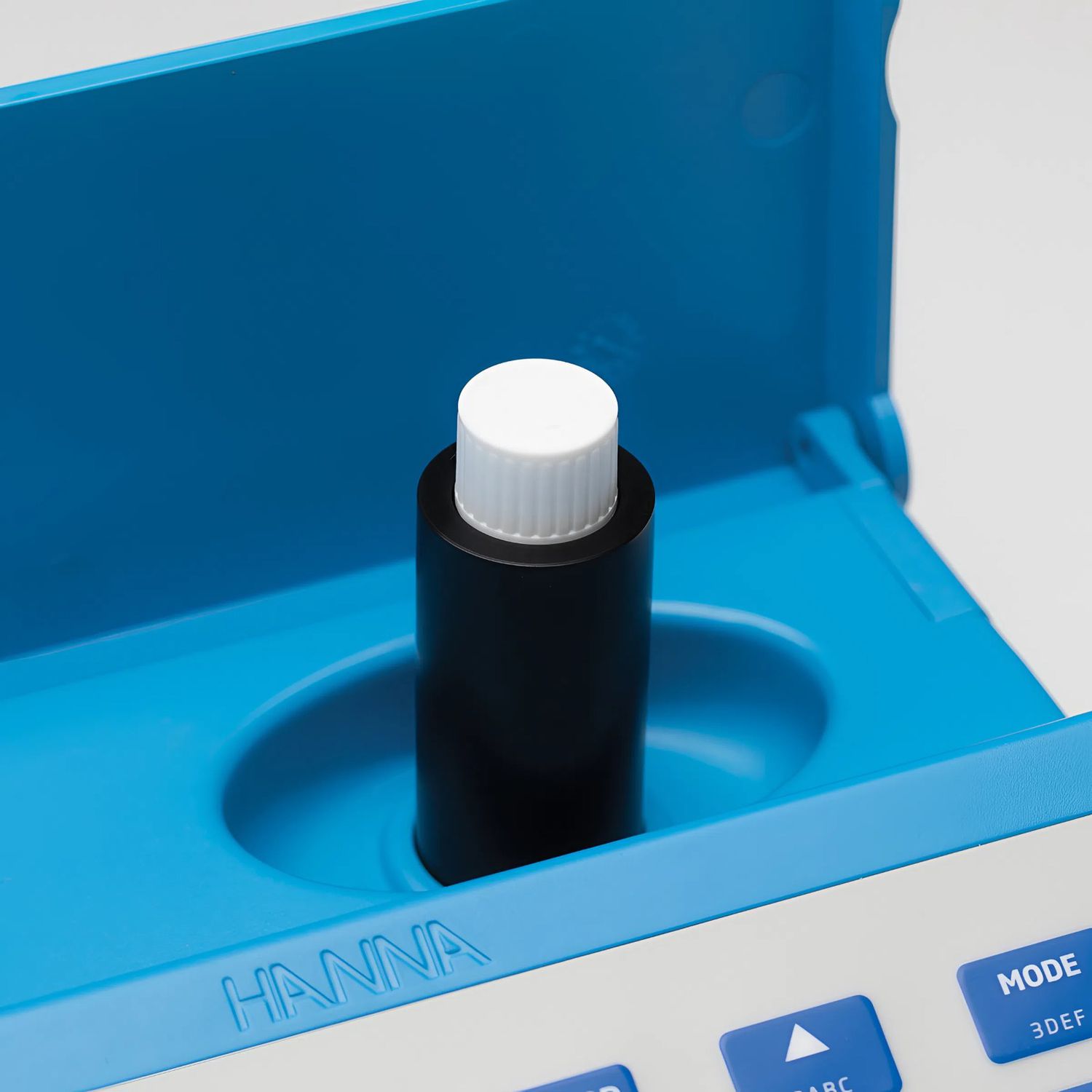
In addition, you can refer to more TOC/COD/BOD measuring devices in the TOC/COD/BOD Measuring Devices Category EMIN
Thanks to the application of these devices, monitoring and controlling COD in wastewater becomes convenient, accurate and better meets environmental requirements before discharge.