The Importance of Melting Point
Purity Assessment and Compound Identity Verification
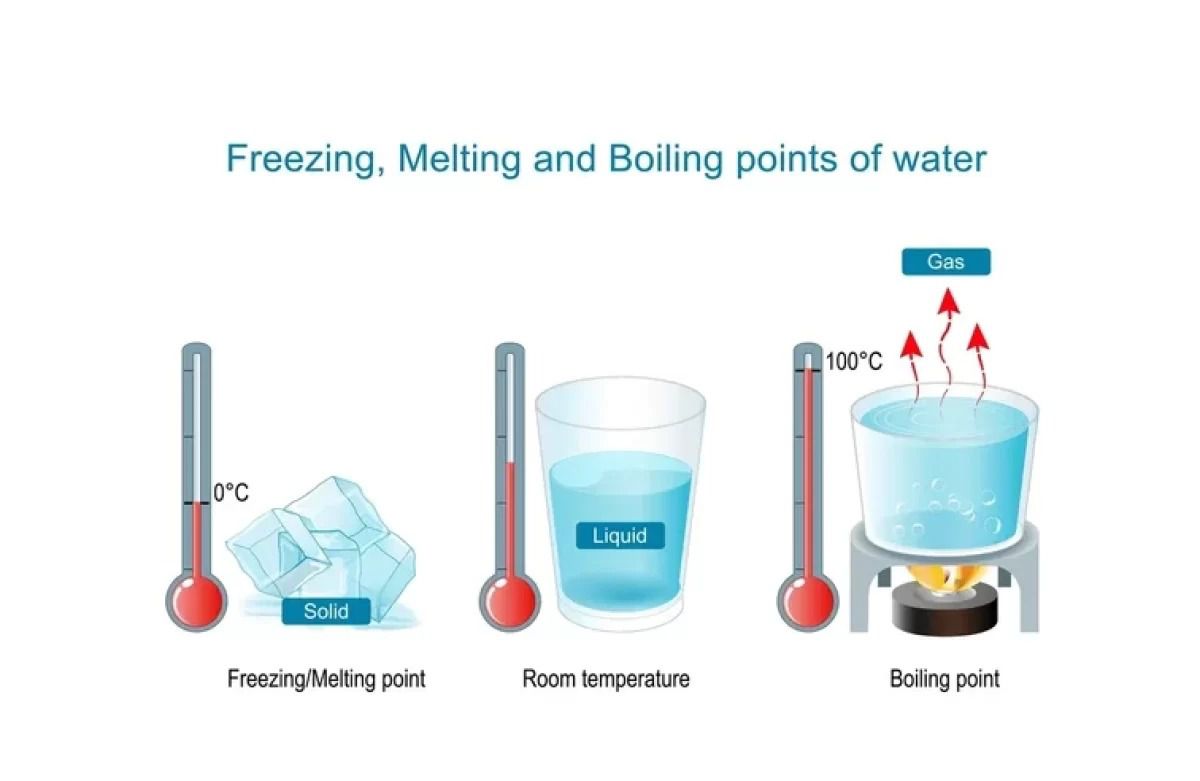
A pure compound always melts within a narrow temperature range, typically only 0.5*C to 1*C. When impurities are present, the melting temperature will be lowered, and the melting range will be broadened.
After synthesis, scientists compare the measured value to standard data; if the values match, it indicates that the synthesis process was successful.
Control of Synthesis Process and Material Optimization
Monitoring the melting point index after cooling or drying stages ensures the crystallization process is complete and the material has achieved the desired crystalline form. In material research, especially for polymers and organic solids, the melting point provides crucial information about the material's heat resistance limit.
Practical Applications in the Laboratory Environment
Pharmaceuticals, Food, and Chemicals
In the pharmaceutical industry, the melting point is a basic test in the International Pharmacopoeia for checking the quality of Active Pharmaceutical Ingredients (APIs), excipients, and ensuring compliance with stringent regulations like 21 CFR Part 11.
In the food industry, the melting point is a key parameter determining the ure, stability, and mouthfeel of products containing fats and oils. For example, it helps chocolate manufacturers control the tempering process for proper melting behavior. Similarly, it controls the storage stability and consistency of industrial chemicals.
Digital Technology and Automation
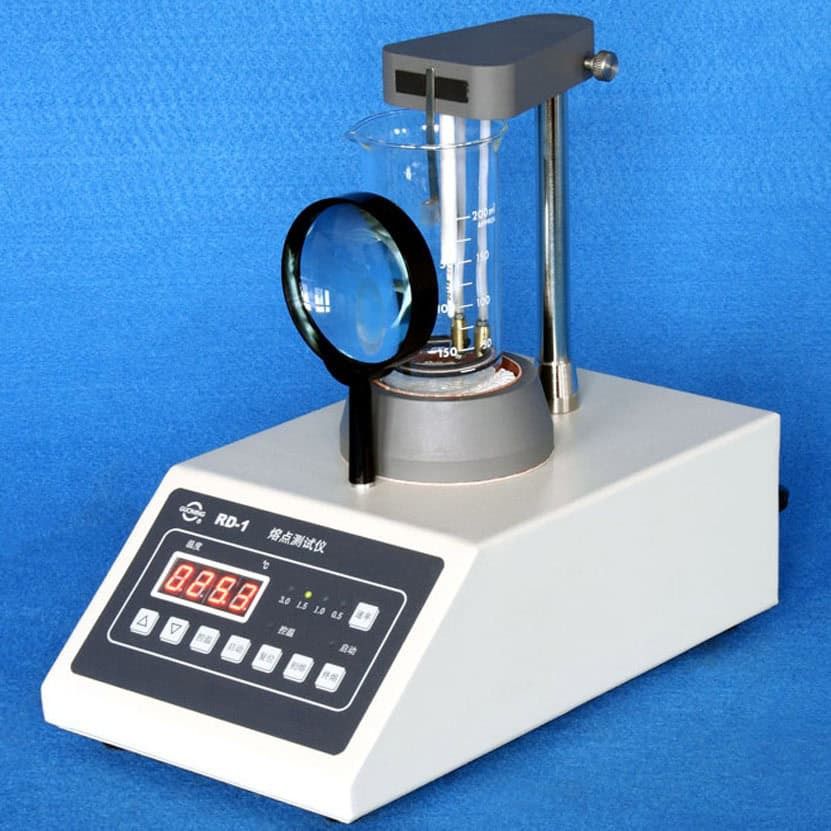
Modern labs are transitioning to automated melting point testers to eliminate subjective human error. Automatic analyzers use image analysis algorithms and light transmission to precisely determine the phase transition moment. For instance, the BIOBASE MPTD-1 Melting Point Tester, with a range from Room Temperature (RT) up to 270*C, can accurately measure both low-melting excipients and complex, higher-melting active compounds.
Factors to Consider Before Measuring Melting Point
Before measuring the melting point, you must prepare the sample meticulously to avoid errors. The sample needs to be completely dry, finely powdered, and homogeneous; any moisture acts as an impurity and lowers the melting point.
First, check the sample particle size. According to tester guidelines, grind the sample into fine powder (sub 0.1mm) and pack it tightly into the capillary tube.
Second, select the appropriate heating ramp rate. A slow rate of 1*C is ideal for pure samples, preventing overheating that could skew results.
Next, instrument calibration is mandatory. Use standards like benzoic acid (122*C) for pre-session checks. The lab ambient temperature should be 18-28C, avoiding vibrations that could affect the sensor.
Finally, consider the measurement range. While the BIOBASE MPTD-1 goes up to 270*C, which suits most organic compounds, samples melting higher require specialized equipment.