
2026年10月15日 15時27分19秒
Deciphering motor mechanics, PID closed-loop control, and magnetic-coupling physics for suspended cell samples and shear-sensitive solutions.
Deciphering motor mechanics, PID closed-loop control, and magnetic-coupling physics for suspended cell samples and shear-sensitive solutions.

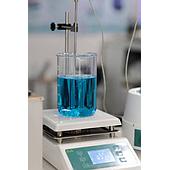
Many laboratories still rely on older-generation hotplates equipped with mechanical control knobs, the markings on which have long since faded. Technicians are often forced to stand by and constantly monitor temperatures; samples are frequently prone to localized overheating which compromises the accuracy of analytical results while the risk of spilled solvents seeping into the control circuitry poses a constant threat of equipment failure. In recent years, there have been significant advancements in microprocessor technology, heating plate materials, and magnetic stirring systems. This article addresses all technical questions to consider when evaluating the replacement of such equipment

Solution for standardized experimental temperature control, featuring a premium chemical-resistant, ceramic-coated aluminum top plate from DaiHan Scientific (South Korea)

This article analyzes three core technical causes of sample failure despite correct speed settings, incorporating safety standards (OSHA/COSHH) and practical handling procedures from two previously implemented high-speed centrifuge operating manuals.

A comprehensive occupational safety handbook integrating quantitative technical standards and international-standard emergency response procedures
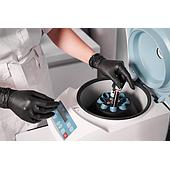
In clinical testing and the preparation of platelet-rich plasma (PRP), the success of the procedure depends entirely on the precision of sample separation. The EMIN refrigerated centrifuge effectively eliminates the issue of sample denaturation caused by frictional heat through an active cooling mechanism, thereby maximizing the preservation of enzymatic and cellular biological activity
A structured overview of how to prepare, operate, and evaluate a constant temperature and humidity chamber for sample conditioning and environmental testing.
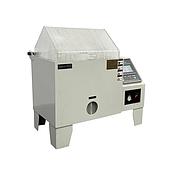
A salt spray test chamber helps manufacturers and laboratories evaluate the corrosion resistance of materials and protective coatings under controlled exposure conditions.
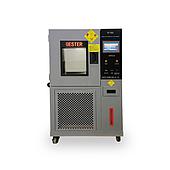
Temperature humidity test chambers help laboratories and manufacturers evaluate how products and materials respond to controlled heat, cold, and humidity conditions. This guide covers their purpose, industry applications, and practical maintenance priorities.
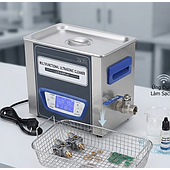
If you operate a workpiece cleaning system in your workshop or have recently invested in an ultrasonic cleaner, you have likely encountered situations where the machine runs for ten minutes or more, yet stubborn grease and rust remain completely unaffected. Many people mistakenly believe that simply filling the tank with plain water and turning the machine on is enough; in reality, this approach wastes up to 70% of the technology's ultrasonic cleaning power
直接联系认证专家