Speed Becomes the Decisive Factor in Field Inspection
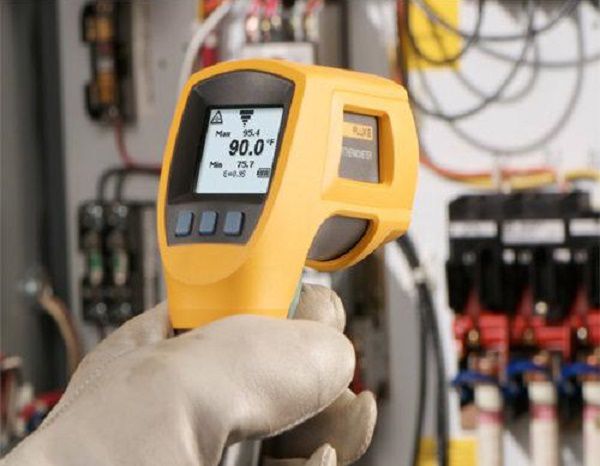
In fast-paced environments such as electrical systems, mechanical operations, or industrial maintenance, the time allocated for each inspection is often very limited. Operators rarely have the option to shut down equipment for extended periods or safely access hazardous areas. In these situations, infrared thermometers become the preferred choice.
With just a single trigger, the device can deliver readings within seconds, allowing users to quickly scan multiple hard-to-reach or dangerous spots without direct contact. This advantage is especially evident when identifying hot spots in electrical cabinets, bearings, or operating machinery surfaces. However, speed always comes with trade-offs. Measurement results are highly dependent on environmental conditions and surface characteristics, particularly emissivity. For shiny metals or highly reflective surfaces, readings can deviate significantly from the actual temperature. For this reason, infrared devices are best considered as rapid screening tools rather than final verification instruments.
Accuracy Becomes Essential When Reliable Data Is Required
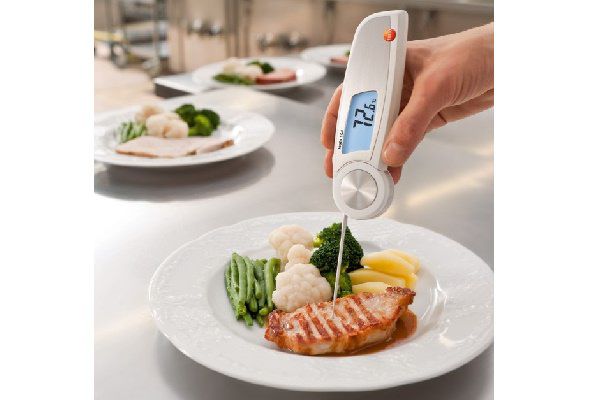
In laboratories, food production lines, and quality control departments, accuracy is not just a technical requirement—it is tied directly to operational standards. Even a small deviation can lead to incorrect assessments of product quality or process conditions.
Although slower to use and requiring the correct probe selection, contact thermometers remain the most reliable option when precise data is needed for reporting, validation, or system calibration. Direct contact minimizes environmental interference and eliminates many surface-related errors—factors that infrared methods cannot fully control. In practice, this makes contact measurement indispensable whenever data integrity is critical.
From Point Measurement to Full-System Visualization
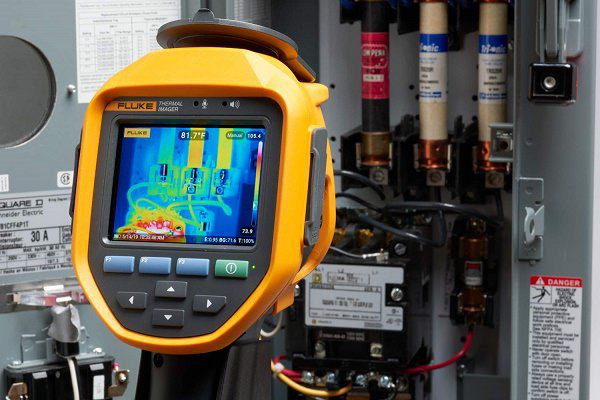
The shift from point-based measurement to system-wide observation is driving the increasing adoption of thermal cameras across industrial plants, energy systems, and even construction projects.
With a single scan, a thermal camera can generate a complete heat map of an area, enabling operators to quickly identify abnormal zones that point measurements might miss. This capability is particularly valuable in predictive maintenance, where the goal is no longer to fix failures after they occur, but to detect early warning signs. When a small hot spot begins to form and gradually spreads, a thermal camera can capture these changes long before they develop into serious faults.
Temperature Data Is No Longer Just a Snapshot
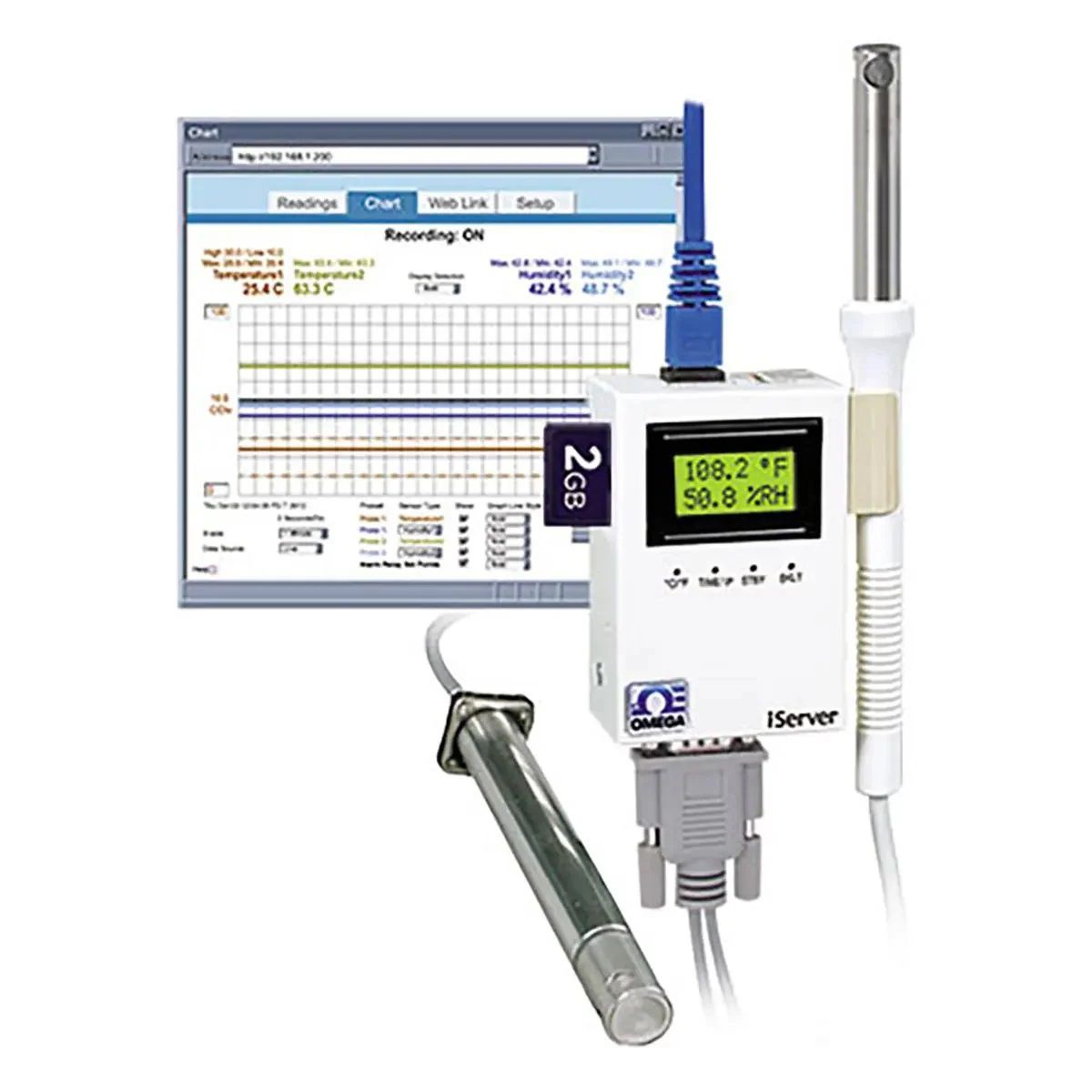
In the past, temperature measurement was often treated as a series of isolated events: measure, record, and move on. However, real-world operations have shown that many failures are not caused by extreme temperatures, but by subtle fluctuations that repeat over time. These patterns are difficult to detect through manual, one-off measurements.
This is why temperature data loggers are becoming increasingly important, particularly in industries that require strict environmental control such as cold storage, pharmaceuticals, and logistics. With continuous data collection, operators gain more than just a single reading—they gain insight into temperature trends over time. This allows them to identify systemic anomalies early and implement long-term control strategies, rather than reacting only after a failure has occurred.
See more: Optimizing Temperature Measurement Processes to Cut 20% Operating Costs