Choosing the right EL detector pixel count is an important part of planning photovoltaic (PV) module inspection. Pixel count influences the amount of image detail available to the inspector, but it should be considered alongside the inspection objective, module volume, and the type of defects that need to be evaluated.
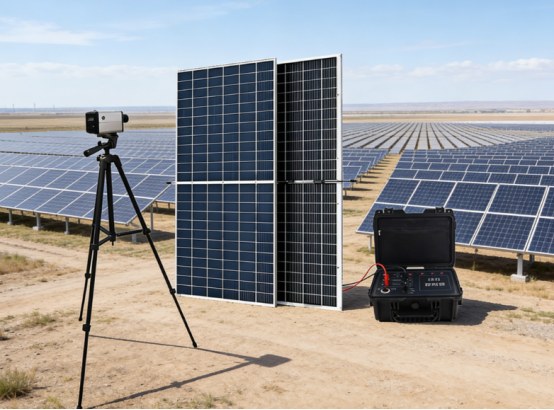
For routine work, the best choice is not automatically the detector with the highest pixel count. A lower-resolution system may be appropriate when the goal is to identify clear, visible module issues. Higher-resolution imaging may be more suitable when an inspection program needs to examine finer internal features or support detailed research.
How pixel count affects EL detector imaging
Electroluminescence imaging is used to examine internal conditions in PV modules. Within the information provided, pixel count is associated with imaging clarity and the level of detail that can be captured. As pixel count increases, the image can provide more detail for reviewing smaller features within a module.
However, pixel count is only one selection factor. The available information also identifies the imaging system, lens quality, and algorithm optimization as factors that can affect image clarity and detection precision. For this reason, specifications should be reviewed as a whole rather than comparing products by megapixels alone.
1.3 MP EL detectors for basic inspection
A 1.3-megapixel EL detector is positioned for basic detection tasks. The source identifies CS-EP-230 as an entry-level example associated with this pixel range. This level of resolution can be used to identify more obvious module conditions, including internal hidden cracks, broken grids, and debris.
This option may fit small-scale power-station operation and maintenance (O&M) activities or simple module sampling. It is most relevant when the inspection team needs a practical way to perform basic checks rather than detailed analysis of very fine defects.
When evaluating a 1.3 MP option, define what “basic” means in the actual workflow. If inspectors need to document readily visible concerns and separate modules for further review, this pixel range may be sufficient. If the work requires consistent examination of subtle features, a higher-resolution range should also be considered.
2–3 MP EL detectors for conventional workflows
The 2–3 MP range is described as a fit for many conventional inspection applications. CS-EP-250 is identified as a mid-range example. The source states that imaging resolution in this range is above 1920×1080, providing increased image detail compared with the entry-level range.
Potential uses include daily power-station O&M, batch module sampling, and incoming material inspection. These are workflows where teams may need to inspect repeated groups of modules while still seeking clearer visibility of defects than a basic inspection setup can offer.
For organizations balancing inspection detail with operational requirements, 2–3 MP can be a reasonable range to assess. The key question is whether the intended work involves standard quality checks and regular field inspection, rather than laboratory-level investigation of defect mechanisms.
3–5 MP EL detectors for detailed evaluation
The 3–5 MP range is intended for applications with higher demands for image detail. CS-EP-270 is identified as a higher-end example in this range. The source notes resolutions up to 2560×2048 and associates this level with the ability to capture finer conditions, such as micro-cracks and fine broken grids within PV modules.
This range may be appropriate for laboratory research and development, high-end module quality inspection, and defect-mechanism research. These tasks generally require closer examination of small internal features and a more detailed record for analysis.
Higher pixel count should therefore be selected when the inspection purpose clearly requires it. It is not necessary to prioritize the highest range for every site or sampling program, particularly when the expected findings are more obvious defects and the workflow does not require fine-detail review.
Match pixel count to the inspection objective
A useful selection process starts with the defect types and decisions that matter most to the organization. Basic checks, conventional O&M, incoming inspection, and laboratory R&D do not necessarily require the same imaging detail.
- Basic inspection and simple sampling: 1.3 MP may address the need to identify obvious defects.
- Routine O&M and batch inspection: 2–3 MP may suit conventional PV module inspection tasks that need more detail.
- Research and high-detail quality work: 3–5 MP may be relevant when subtle internal defects and detailed analysis are priorities.
Before selecting an EL detector, review the full imaging configuration, including pixel count, optics, imaging system, and algorithm-related capabilities. Matching these factors to the real inspection workflow supports a more appropriate choice than selecting solely on megapixel figures.
Conclusion
There is no universal EL detector pixel count for every PV inspection task. A 1.3 MP system can support basic detection, 2–3 MP can address many conventional inspection needs, and 3–5 MP can serve applications requiring more detailed imaging. By defining the required level of defect visibility and reviewing the complete system, inspection teams can choose an option aligned with their operational and quality objectives.