
10/14/2026 09:47:49
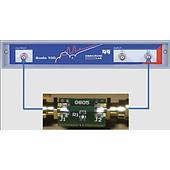
A 2-port shunt-through setup with the Bode 100 uses Gain/Phase mode, a 50 Ohm termination on Ch2, Thru calibration, and a logarithmic sweep to read impedance and estimate inductance.
A 2-port shunt-through setup with the Bode 100 uses Gain/Phase mode, a 50 Ohm termination on Ch2, Thru calibration, and a logarithmic sweep to read impedance and estimate inductance.
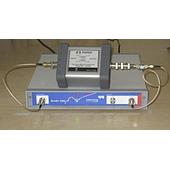
PDN measurement commonly relies on a vector network analyzer. The source distinguishes 1-port measurement for higher impedance from 2-port shunt-through measurement for very low impedance, while noting that instrument cost can affect the approach.
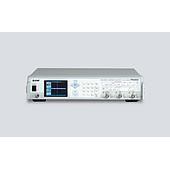
An FRA is commonly used for transfer functions and power-supply control loops. A VNA provides port-based S-parameter, reflection, and calibrated impedance measurements for more complex RF and interconnect work.
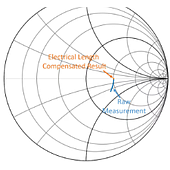
A vector network analyzer can help characterize passive components, but measurement accuracy depends on the impedance range and method used. A grounded-end approach with port extension and an R + jX marker may have significant error outside a narrow range.
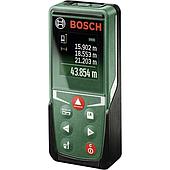
The Bosch GLM laser distance meter series has long been a staple on construction sites and in manufacturing workshops. Mastering these hidden features optimizes construction schedules and significantly reduces manual operational errors.
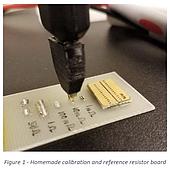
A 2-port probe can measure PCB power-rail impedance with minimal board changes. For the VDD_3V3_S0 example, ON-state impedance was checked against an approximately 8 mΩ target through 7 kHz.
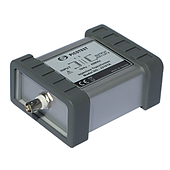
The 2-port shunt-through technique is used for milliohm impedance measurements at very high frequencies. Ground loops from instrument grounds and test cabling can introduce major error; the Picotest J2102A is used as a ground-loop breaker for measurements down to 20 micro-ohms.

Power-hungry AI accelerators and other high-performance chips increase the relevance of power integrity testing. Key topics include voltage regulator modules, PDN impedance measurement, and reducing the effect of probe ground-loop resistance with a low-noise isolator.
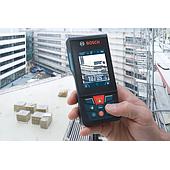
Choosing the right laser distance meter for your industry helps optimize work efficiency, reduce costs, and ensure measurement accuracy.
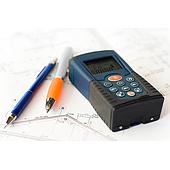
Laser distance meters typically achieve millimeter-level accuracy indoors, but errors immediately appear when used on a blazing construction site. The root of the issue lies deep within the physical and optical mechanisms operating inside the device
Get exclusive volume discounts, bulk pricing updates, and new product alerts delivered directly to your inbox.
By subscribing, you agree to our Terms of Service and Privacy Policy.
Direct access to our certified experts