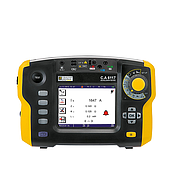
DC resistance meter is commonly used in electrical equipment maintenance and system safety testing to evaluate the condition of windings, conductors, and electrical connections.

DC resistance meter is commonly used in electrical equipment maintenance and system safety testing to evaluate the condition of windings, conductors, and electrical connections.

If you operate a workpiece cleaning system in your workshop or have recently invested in an ultrasonic cleaner, you have likely encountered situations where the machine runs for ten minutes or more, yet stubborn grease and rust remain completely unaffected. Many people mistakenly believe that simply filling the tank with plain water and turning the machine on is enough; in reality, this approach wastes up to 70% of the technology's ultrasonic cleaning power

Cable withstand voltage test equipment is used to evaluate insulation condition, identify potential risks at an early stage, and standardize testing procedures in electrical systems.

A practical guide to understanding cable fault detectors, the factors that influence cable fault diagnosis, supporting tools, and sound testing practices.

In home appliance manufacturing, electrical safety test equipment is used to test products before they are packaged and shipped. These tests are performed to detect insulation faults, verify the protective grounding path, and evaluate the product's ability to withstand electrical stress under specified conditions.

In electrical and electronic equipment manufacturing lines, electrical safety test equipment is typically installed at the final stage before products are released. Depending on the product requirements, the system can use a multifunction tester or a combination of dedicated test instruments.

Electrical safety testers are used to test high-voltage circuits and electrical assemblies associated with the drivetrain, battery, and charging systems. These tests help identify insulation defects, problems in protective earth paths, and insufficient dielectric withstand capability before a product moves to the next production stage or is released for shipment.

While both are classified as soldering stations designed to melt solder, a technician repairing wiring inside an electrical cabinet and one working under a microscope on a mobile phone circuit board require vastly different types of equipment. Check out the article below!

The soldering station had just been unboxed, plugged in, and switched on for the first time. A few seconds later, a thin wisp of smoke rose from the tip, accompanied by a faint acrid smell. Before any soldering could even begin, many users hastily turned the unit off, fearing the equipment was damaged

The soldering iron is hot, yet even after touching the resistor lead for ten seconds or more, the solder just clumps up instead of flowing smoothly. A novice's first instinct is often to crank up the temperature. While that sometimes works, temperature isn't always the root cause; in many cases, increasing the heat only burns the flux and pads, potentially ruining the component leads in the process
Get exclusive volume discounts, bulk pricing updates, and new product alerts delivered directly to your inbox.
By subscribing, you agree to our Terms of Service and Privacy Policy.
Direct access to our certified experts