
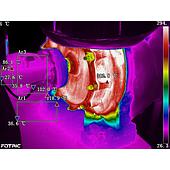
11/11/2026 10:40:35
Thermal imaging provides a non-contact way to inspect the thermal condition of petrochemical valves and flanges, helping identify anomalies associated with loose connections, faulty valves, and missing pipeline insulation.
Thermal imaging provides a non-contact way to inspect the thermal condition of petrochemical valves and flanges, helping identify anomalies associated with loose connections, faulty valves, and missing pipeline insulation.
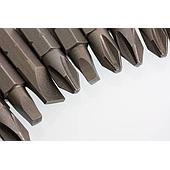
A set of screwdriver bits typically contains dozens of pieces, each with a distinct shape. Every shape is designed to fit a specific type of screw recess; using the wrong bit can cause it to slip or damage the screw head—a risk that is especially high when using high-speed electric screwdrivers. This article introduces common types of electric screwdriver bits, explains how to distinguish between those that are easily confused, and outlines the key specifications to consider when making a purchase

Many first-time buyers of power tools encounter a few common issues: they may struggle to figure out how to start or stop the tool, they might not be able to locate the direction-reversal switch, or they might find that the tool fails to rotate even when the trigger is pressed. This article addresses these frequent questions such as how to reverse the rotation of a power tool and provides essential tips for using the reversal function correctly.
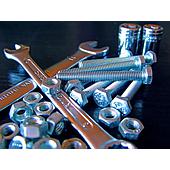
A PC build contains over a dozen types of screws, each intended for a different material. The screws used to secure a power supply to the chassis are entirely different from those used to fasten a motherboard or an M.2 SSD
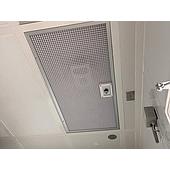
Decoding differential pressure parameters according to EU GMP Annex 1 and ISO 14644 standards, interpreting HEPA filter/AHU clogging levels, and applying error calculation formulas to select precise measurement ranges for project handover
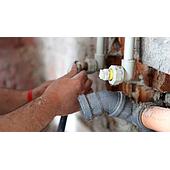
Explaining hydraulic phenomena codes, identifying early signs of mechanical failure, and providing guidance on selecting pressure gauges and surge-protection accessories that meet technical standards for industrial systems
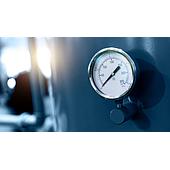
In chemical processing plants, wastewater treatment facilities, oil & gas operations, and food production, selecting the wrong material for a pressure gauge often leads to severe consequences: Bourdon tube failure, toxic chemical leaks, equipment breakdown, and serious occupational safety hazards. This article provides practical technical criteria for selecting the correct case and sensor materials when measuring pressure in corrosive environments.
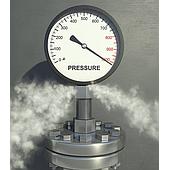
The global energy transition trend is driving industrial plants, chemical facilities, and renewable energy sites to integrate hydrogen as a strategic fuel source to achieve decarbonization goals. However, practical experience shows that traditional mechanical pressure gauges rapidly degrade in service life and experience dangerous failures when in direct contact with hydrogen environments.
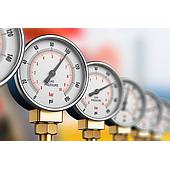
In semiconductor cleanrooms, a single microscopic dust particle or a tiny toxic gas leak is enough to ruin an entire wafer batch worth millions of dollars. This vital requirement is accelerating a complete transition from traditional mechanical pressure gauges to digital pressure sensors and electronic pressure gauges.

Reliable torque control combines application-appropriate tools, scheduled calibration, preventive maintenance, and routine testing to manage fastening consistency.
Get exclusive volume discounts, bulk pricing updates, and new product alerts delivered directly to your inbox.
By subscribing, you agree to our Terms of Service and Privacy Policy.
Direct access to our certified experts