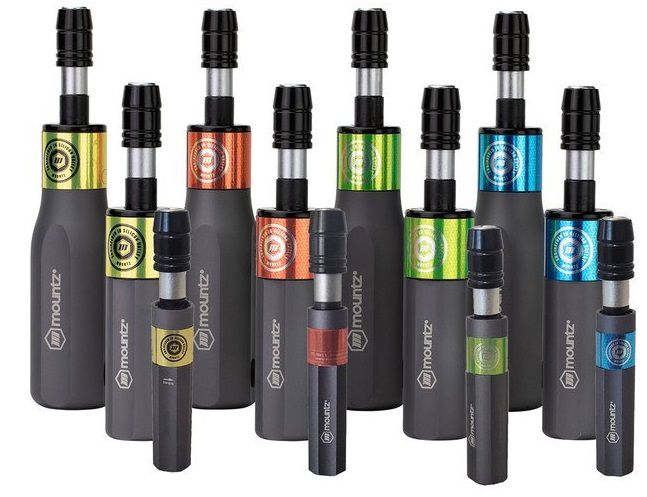
Preset torque screwdrivers are suited to work that requires one fixed torque setting and protection against setting changes. Adjustable torque screwdrivers are better suited to tasks that require operators to select different torque settings.
The practical choice depends on whether controlling a single approved setting or adapting to changing requirements matters more in the application. Both types are intended to support consistent torque control when fasteners must be tightened to a specified value.
Summary: Preset models have no external adjustment scale and are set with a torque tester. Adjustable models use an external scale for changing settings. Preset tools fit fixed-setting production work; adjustable tools fit flexible field service or production tasks.
What is the difference between preset and adjustable torque screwdrivers?
The key difference is how the torque setting is controlled. A preset screwdriver is configured to a required torque value without an external adjustment scale, whereas an adjustable screwdriver lets the operator change the setting through an external scale.
| Feature | Preset torque screwdriver | Adjustable torque screwdriver |
|---|---|---|
| Torque-setting access | No external adjustment scale | External adjustment scale |
| Typical setting approach | Preset using a torque tester | Adjusted by the operator as needed |
| Primary application fit | Fixed-setting production work | Field service or flexible production work |
| Setting-change control | Designed to prevent tampering | A locking ring or bezel can help prevent incidental adjustment |
When should a preset torque screwdriver be used?
A preset torque screwdriver should be considered when a process requires a fixed torque value and the setting should not be changed during normal operation. This makes it relevant to production applications where preventing torque-setting tampering is important.
The tool is preset to the required value and signals the operator when that torque is achieved. If a specification changes or a different project requires another value, the setting can be changed internally using a torque analyzer.
When is an adjustable torque screwdriver the better choice?
An adjustable torque screwdriver is the better choice when one application may require different torque settings. Its external scale gives the operator a direct way to select the needed setting rather than relying on a permanently fixed external configuration.
These tools can use a ring or bezel arrangement: the operator presses it to make an adjustment, then releases it to lock the setting in place. That lock is intended to reduce incidental torque changes after adjustment.
How do fixed and changing torque requirements affect tool selection?
Fixed requirements point toward a preset tool because its configuration emphasizes a single controlled setting. Changing requirements point toward an adjustable tool because the setting can be altered externally as the task changes.
This distinction applies in both production and service contexts. Production work can favor a preset screwdriver where one torque value is controlled, while production or field service with multiple torque values can favor an adjustable model.
How does a cam-over torque screwdriver help avoid over-tightening?
Mountz describes its torque screwdrivers as using a cam-over approach intended to prevent over-tightening. Avoiding over-tightening can help protect fasteners from potential failures caused by applying torque beyond the required setting.
Cam-over operation does not remove the need to choose the correct torque value for the fastening requirement. The selected setting remains the basis for using either a preset or an adjustable screwdriver appropriately.
What should be checked when torque control is important?
First, determine whether the work calls for one fixed torque setting or several settings. Then select the tool type whose adjustment method matches that need and ensure the required setting is established with the appropriate torque-testing equipment.
For Mountz torque screwdrivers, the source states that they meet or exceed the principal requirements of ISO 6789:2003. This claim relates to the manufacturer’s torque screwdriver range; application-specific requirements should still be defined before tool selection.
Note: A preset screwdriver can be internally reset when requirements change, but its normal use is centered on a fixed setting. An adjustable screwdriver provides external flexibility, so its selected setting should be checked for the task at hand.