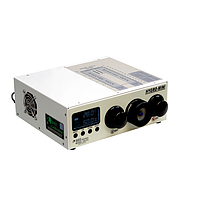
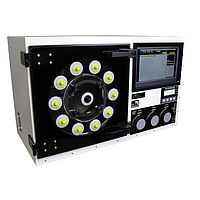
Precision Humidity and Temperature Generator
Reliable humidity calibration depends on more than a simple chamber or reference probe. In laboratories, pharmaceutical environments, HVAC validation, electronics production, and sensor manufacturing, users often need a stable source that can generate tightly controlled humidity and temperature conditions for verification, adjustment, and comparison work. That is where Precision Humidity and Temperature Generator systems become especially valuable.
On this page, you can explore equipment designed to create controlled test environments for relative humidity and temperature, helping technicians evaluate probes, transmitters, loggers, and other environmental measurement devices with better repeatability. Depending on the application, the right system may prioritize portability, chamber uniformity, wider control range, fast stabilization, or support for multiple probes at the same time.
Where these generators fit in calibration work
A precision humidity and temperature generator is typically used to produce a known environment inside a chamber so that humidity instruments can be checked against a reference. In practice, this supports calibration workflows for handheld meters, room sensors, transmitters, data loggers, and process probes that must perform reliably under changing ambient conditions.
Compared with simpler test methods, these systems are built around controlled stability, chamber uniformity, and repeatable setpoint changes. For users who handle a broader calibration program, it can also make sense to review related equipment such as temperature calibrators or multifunction calibrators when humidity verification is only one part of the overall instrumentation workflow.
Common equipment formats in this category
This category includes both portable and bench-oriented solutions. Portable models are useful for field service, on-site verification, or mobile calibration teams that need to bring the test source closer to the instrument. Bench and chamber-based systems are often better suited to controlled laboratory environments where repeatability, probe capacity, and finer environmental control are priorities.
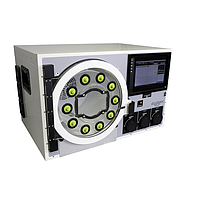
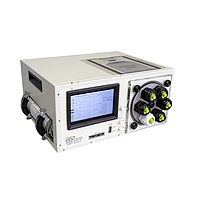
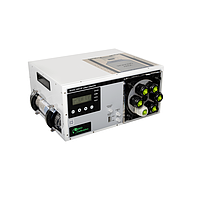
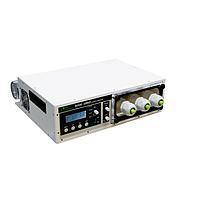
Examples in this range include the BalunTech BL765 Humidity Generator, which supports a broad humidity range and compact chamber-based testing, and the Edgetech Instruments RH CAL Portable Relative Humidity Calibrator, which is geared toward portable calibration use. GEO Calibration also appears prominently in this category with several configurations, from compact portable units to larger controlled chamber platforms for broader calibration tasks.
What to consider when selecting a system
The first selection point is usually the required humidity and temperature range. Some applications focus on a narrower operating window around room conditions, while others need low-humidity or wider temperature coverage. If your sensors are used in environmental chambers, production areas, or demanding process conditions, range alone is not enough; you should also consider how the available humidity span changes as temperature rises.
The second factor is performance quality inside the chamber. Stability, uniformity, and uncertainty matter because they directly affect how confidently you can compare a device under test to a reference. For example, systems such as the GEO Calibration Multi-GEN2 Humidity Generator and GEO Calibration Multi-Gen3 Humidity Generator are positioned for controlled generation with attention to accuracy, stability, and multi-probe calibration workflows.
Probe capacity and access ports are also important. Some users only need to verify one sensor at a time, while others need to load several probes in a single cycle for higher throughput. A model like the BalunTech BL765 Humidity Generator is notable here because it is configured to accommodate multiple calibration probes, which can help improve efficiency in service or lab settings.
Portable versus laboratory-oriented solutions
If equipment needs to travel between customer sites, production lines, or different facilities, a compact portable generator can be the more practical choice. Products such as the GEO Calibration 2015-TS Portable Humidity Calibrator, GEO Calibration 2000SHR Portable Humidity Calibrators, and GEO Calibration Hygro Mini X Portable Humidity Generator illustrate the portable side of the category, where transportability and faster deployment are often key advantages.
For users building a more permanent test setup, chamber-style platforms can offer more controlled conditions and support broader calibration routines. The GEO Calibration HygroMatic II Humidity and Temperature Controlled Chamber and GEO Calibration 4000 Relative Humidity Calibration are examples that fit more structured lab workflows, especially when consistency, repeat runs, or extended soak periods are part of the process.
Representative manufacturers and solution styles
Several manufacturers are relevant to this category, with different strengths in calibration workflows. BalunTech and Edgetech Instruments are represented here through portable and chamber-based humidity generation solutions, while GEO Calibration stands out with a broad lineup covering portable calibrators, lightweight systems, and multi-chamber generators.
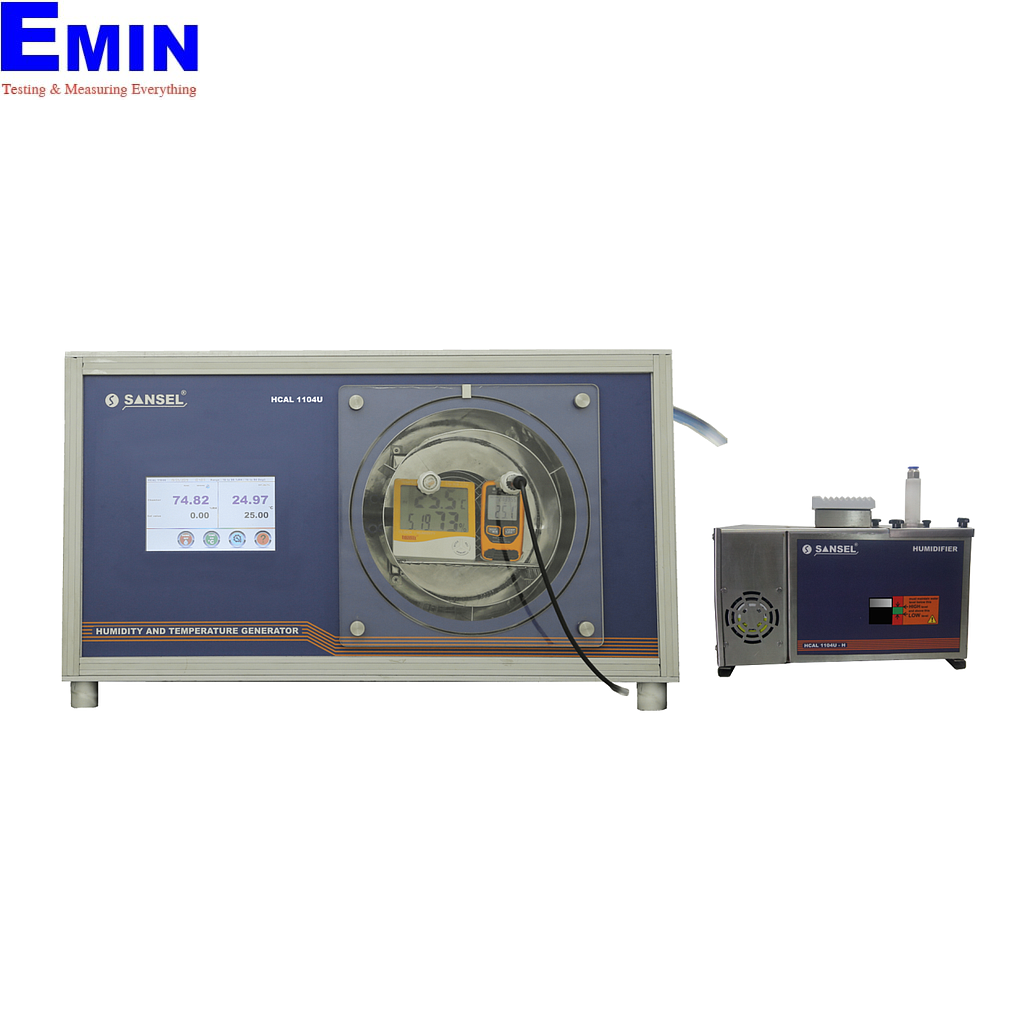
Other priority brands associated with this category include Rotronic, Thunder Scientific, and Sansel. Even when a specific model is not highlighted on this page, these names help define the broader landscape of professional humidity calibration, where users often compare chamber design, control architecture, reference integration, and throughput needs before making a final selection.
Typical applications across industry
These systems are commonly used wherever humidity measurement quality has a direct impact on product quality, environmental compliance, or process consistency. Typical use cases include calibration of HVAC sensors, environmental monitoring instruments in laboratories, humidity probes in storage areas, and transmitters installed in pharmaceutical or electronics environments.
They are also relevant in metrology and service organizations that need to verify multiple sensor types under controlled conditions. In those environments, humidity generation equipment is often part of a wider calibration ecosystem that may also include pressure calibrators and other reference devices used to support multi-parameter maintenance programs.
Examples of product coverage in this category
The available range shows that this category is not limited to one form factor or one performance level. Users can compare compact systems such as the GEO Calibration 2500 CM Lightweight Humidity Calibration, portable units like the GEO Calibration 2015-TS and Hygro Mini X, and more advanced chamber solutions such as the GEO Calibration Multi-GEN2, Multi-Gen3, and HygroMatic II.
The Edgetech Instruments RH CAL Portable Relative Humidity Calibrator adds another option for users who need a portable calibrator with dew/frost point capability in addition to relative humidity and temperature handling. Meanwhile, the GEO Calibration 4000 EXP Humidity Calibration Equipment may be relevant for applications focused on a more specific humidity operating band rather than the widest possible span.
How to narrow down the right model
Start with the actual instruments you need to calibrate: probe diameter, number of sensors per batch, target setpoints, and acceptable uncertainty. Then evaluate whether your work is mostly field-based or laboratory-based, and whether faster ramp and soak changes are important for productivity. In many cases, choosing the right chamber size and operating window is more important than simply aiming for the widest specifications.
It is also helpful to think about workflow integration. Communication interfaces, warm-up behavior, physical portability, and chamber accessibility can make a real difference in day-to-day use. A system intended for occasional verification may not need the same throughput or environmental depth as a setup used for regular calibration services.
Final thoughts
Choosing a precision humidity and temperature generator is ultimately about matching the generator’s control capability to your calibration method, device mix, and working environment. A portable unit may be ideal for flexible service work, while a chamber-oriented platform can be the better fit for repeatable laboratory routines and multi-probe testing.
By comparing range, stability, uniformity, capacity, and portability across the models on this page, buyers can make a more practical selection for real calibration tasks rather than relying on headline numbers alone. If your workflow also spans other parameters, related calibration categories can help complete a more capable test and verification setup.
Get exclusive volume discounts, bulk pricing updates, and new product alerts delivered directly to your inbox.
By subscribing, you agree to our Terms of Service and Privacy Policy.
Direct access to our certified experts