For full functionality of this site it is necessary to enable JavaScript.
EMIN.VN
0

How to Rapidly Reduce COD in Domestic Wastewater?

2026年10月13日 10時25分11秒

Wastewater treatment plants serving apartment complexes, buildings, and residential areas sometimes experience effluent COD levels approaching regulatory limits, particularly following sudden load surges or shortly before scheduled compliance sampling. QCVN 14:2025/BTNMT, applicable to domestic wastewater from September 1, 2025, sets COD limits based on discharge volume and the receiving water body, while allowing dischargers to choose between TOC and COD parameters

How to Quickly Reduce COD in Domestic Wastewater? Effective Methods & Side Effects to Avoid

Emergency response solutions for plant operators at residential buildings, apartment complexes, and urban wastewater treatment plants.

Domestic wastewater treatment plants at apartment complexes, office buildings, and residential areas sometimes experience effluent COD spikes near legal limits, especially after shock loads or right before sampling inspections. QCVN 14:2025/BTNMT (effective from Sept 1, 2025) specifies COD limit values based on discharge flow rate and receiving water bodies, allowing dischargers to choose TOC or COD. Since domestic wastewater contains mostly easily biodegradable organic matter, COD can be reduced rapidly if the right method is applied at the correct treatment tank.
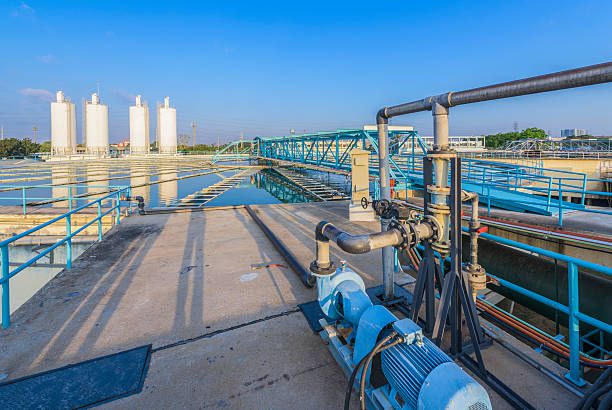
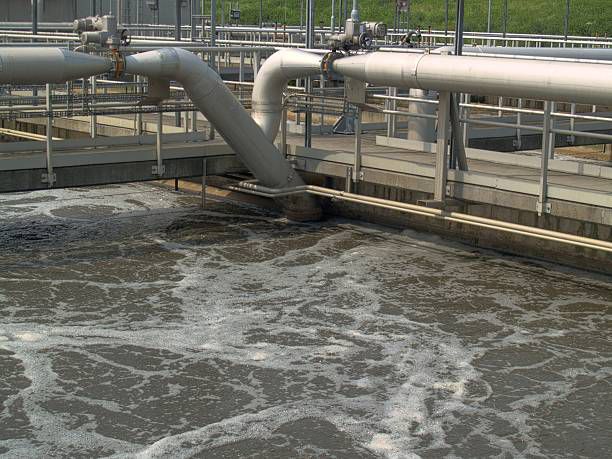
Domestic wastewater treatment plant

Sudden COD Spike? Quickly Check 5 Points Before Dosing Chemicals

COD consists of particulate/colloidal forms (removable via physical settling or coagulation) and soluble forms (treated via biological or oxidative processes). Checking the following 5 parameters helps select the right solution:

01. Suspended Solids Check if the effluent is turbid or carrying carryover sludge flocs (secondary clarifier malfunction).
02. DO Level Measure DO level in the aerobic tank; inspect air diffusers and blowers.
03. SV30 Index Sludge settling volume after 30 minutes; check sludge color and odor.
04. Biological Tank pH Ensure influent pH remains within the optimal range for microorganisms.
05. Influent Load Investigate recent events such as septic tank desludging, kitchen grease surges, or heavy detergent discharges.

Emergency COD Reduction Methods & Their Limitations

1. Coagulation & Flocculation (Particulate COD Treatment)

PAC or alum combined with polymers aggregates colloidal solids into larger flocs for settling. Ideal dosing point: After the biological tank, before the final clarifier, or in a dedicated coagulation tank.

  • Effectiveness: Rapid reduction if COD is primarily composed of suspended particulate matter.
  • Limitations: Ineffective against soluble COD. Overdosing increases residual aluminum concentrations and sludge volume.

2. Using H2O2 & Javel (Strong Oxidants for Rapid COD Breakdown)

Hydrogen peroxide (H2O2), sodium hypochlorite (Javel), or calcium hypochlorite instantly break down recalcitrant organic compounds. Dosing location: Disinfection tank or final storage tank. Never dose directly into biological tanks.
Oxidizing ChemicalRapid AdvantagesSide Effects & Risks
H2O2 / JavelReduces soluble COD within minutes.High chemical cost; recommended only for emergency situations.
Residual ChlorineProvides disinfection while lowering COD.Easily causes residual chlorine to exceed QCVN discharge limits; generates organochlorine byproducts.
Measurement ErrorsComplete chemical reaction.Residual H2O2 and chlorine cause false readings in COD testing (must wait for full decomposition).

3. Increasing Aeration & Adding Bio-Augmentation

Increasing DO to 2–4 mg/L enhances microbial degradation (takes effect over hours). However, excessive aeration can break sludge flocs, increasing turbidity, TSS, and effluent COD. Microbial additives or molasses require days to acclimate and cannot provide immediate COD reduction within hours.

Warning: Common Mistakes That Cause COD Rebound or Violations

  • Over-wasting sludge: Wasting sludge due to turbid water depletes active biomass, causing COD to surge after 1–2 days.
  • Dosing oxidants into biological tanks: Kills the entire microbial population in the system.
  • Diluting effluent with clean water: A severe discharge regulation violation that does not reduce total pollutant load.
  • Dosing chemicals without testing: Leads to chemical overdosing and counterproductive side effects.
On-Site COD Testing with Specialized EMIN Equipment

To adjust chemical dosages accurately, operators need immediate data rather than waiting days for laboratory test results.

High-Speed Portable & Benchtop COD Testing Kits

Includes thermoreactors & photometers for on-site COD/BOD/TOC analysis within 2 hours.

Explore EMIN COD Meters →

For automated plants, Online COD Sensors (UV254 principle) continuously monitor fluctuations and transmit signals to PLCs to automatically trigger dosing pumps when concentrations approach discharge limits.

Online COD Monitoring Sensors for PLC Systems

24/7 continuous monitoring, sending signals to trigger automated chemical dosing systems.

Discover Online COD Sensors →

関連ニュース

Guide to Selecting Case and Sensor Materials for Pressure Gauges in Corrosive Chemical Environments
2026年10月13日 11時14分57秒

In chemical processing plants, wastewater treatment facilities, oil & gas operations, and food production, selecting the wrong material for a pressure gauge often leads to severe consequences: Bourdon tube failure, toxic chemical leaks, equipment breakdown, and serious occupational safety hazards. This article provides practical technical criteria for selecting the correct case and sensor materials when measuring pressure in corrosive environments.

Measuring COD and TOC in Electroplating Wastewater Using a Benchtop Analyzer? What Sources of Error Should Be Avoided?
2026年10月13日 10時55分11秒

The current situation regarding electroplating wastewater analysis presents challenges: the wastewater contains acids, alkalis, and heavy metals (such as Cr, Ni, and Cu), alongside persistent cyclic organic compounds derived from brightening agents, anti-misting additives, and degreasing solvents. This complex composition causes significant fluctuations in COD levels depending on the specific process stage and production shift. Sending samples to external laboratories results in a delay of several days—by which time the biological treatment tanks or coagulation systems may have already been operating improperly for too long. Utilizing a benchtop COD analyzer on-site reduces this turnaround time to just a few hours, provided the user fully understands the specific sources of error associated with electroplating wastewater

Challenges of Pressure Gauges in Hydrogen Environments
2026年10月12日 16時47分15秒

The global energy transition trend is driving industrial plants, chemical facilities, and renewable energy sites to integrate hydrogen as a strategic fuel source to achieve decarbonization goals. However, practical experience shows that traditional mechanical pressure gauges rapidly degrade in service life and experience dangerous failures when in direct contact with hydrogen environments.

The Trend of Eliminating Mechanical Pressure Gauges in Semiconductor Fabrication Plants
2026年10月12日 14時44分38秒

In semiconductor cleanrooms, a single microscopic dust particle or a tiny toxic gas leak is enough to ruin an entire wafer batch worth millions of dollars. This vital requirement is accelerating a complete transition from traditional mechanical pressure gauges to digital pressure sensors and electronic pressure gauges.

NH3 and H2S Monitoring in Building Garbage Rooms: Sensor Selection, Placement, and Threshold Settings
2026年10月12日 14時33分46秒

The waste storage chamber in a high-rise building is an enclosed space where the continuous decomposition of organic matter generates ammonia (NH3) and hydrogen sulfide (H2S)—often accompanied by methane and various odor-causing compounds. These gases pose a direct health risk to sanitation staff, spread odors into the building's general ventilation system, and corrode electrical cabinets, piping, and technical equipment. This article addresses the questions frequently raised by building managers, M&E engineers, and occupational safety personnel

お得な情報を受け取る

数量割引、まとめ買い価格の更新、新製品情報をメールでお届けします。

登録することで、当社の利用規約およびプライバシーポリシーに同意したものとみなされます。

クイックサポート

認定専門家へ直接アクセス