Decree No. 08/2022/ND-CP (as amended and supplemented by Decree No. 48/2026/ND-CP issued on January 29, 2026) imposes stringent regulations regarding emissions monitoring at business, production, and service facilities. Controlling effluent wastewater through continuous automatic monitoring systems is no longer merely encouraged, but has become a direct legal foundation for state management agencies to inspect, grant, or revoke Environmental Permits. Exceeding emission thresholds or failing to maintain continuous measurement data transmission can lead to severe administrative penalties and even operational suspension.
Key Amendments of Decree No. 48/2026/ND-CP on Wastewater Monitoring
Decree No. 48/2026/ND-CP introduces additional sanctions and technical standards to seal administrative loopholes in operating continuous automatic monitoring stations:
Using Monitoring Data as Direct Evidence for Penalties: Data transmitted from automatic monitoring systems (once certified and calibrated) is legally recognized as independent evidence to issue administrative violation reports without mandatory manual counter-sampling.
Strict Regulations on Connection and Disconnection Duration: The operational stability rate of the monitoring station must reach a minimum of 95% of the time annually. Any data transmission disconnection exceeding 2 hours without force majeure reasons or timely reporting will be treated as an act of obstructing environmental oversight.
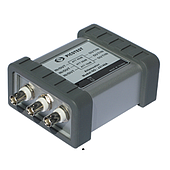
Tightening Sensor Verification and Sealing Procedures: All input/output measurement sensors must display valid verification stamps and apply physical as well as calibration-offset software anti-tampering seals.
5 Wastewater Parameters Required for Continuous Automatic Monitoring
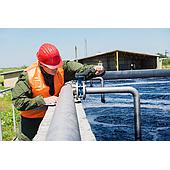
Under technical regulations on environmental monitoring, the automatic measurement system at the discharge point must operate 24/7 and transmit data directly to the local Department of Natural Resources and Environment (DONRE). The 5 core parameters include:
pH (Acidity/Alkalinity): The pH index reflects the fundamental chemical property of wastewater. Sudden pH fluctuations indicate abnormalities in physical-chemical treatment processes or illegal discharge of unneutralized chemicals. Extremely high or low pH levels destroy biological treatment microflora and corrode piping systems.
Wastewater Flow Rate (Inlet & Outlet): Flow monitoring (m3/h or m3/day) allows regulatory bodies to assess actual operating capacity against licensed capacity. Simultaneous measurement of both inlet and outlet flow helps facilities control leakage risks or overflows in the treatment system.
Temperature: High effluent temperature (typically from cooling systems, machinery heat dissipation, or steam condensation) directly affects dissolved oxygen levels and organic decomposition rates in receiving water bodies. This parameter is mandatory to prevent thermal pollution in surrounding rivers and lakes.
TSS (Total Suspended Solids): TSS represents insoluble sludge and suspended residue remaining after sedimentation and filtration. Abnormally high TSS levels indicate sedimentation failure, biological sludge bulking, or inefficient chemical flocculation.
COD (Chemical Oxygen Demand): COD is the paramount parameter indicating organic pollution levels in wastewater. A higher COD level reflects a greater concentration of organic contaminants requiring treatment. Exceeding COD limits specified in the Environmental Permit is the most common violation leading to substantial fines.
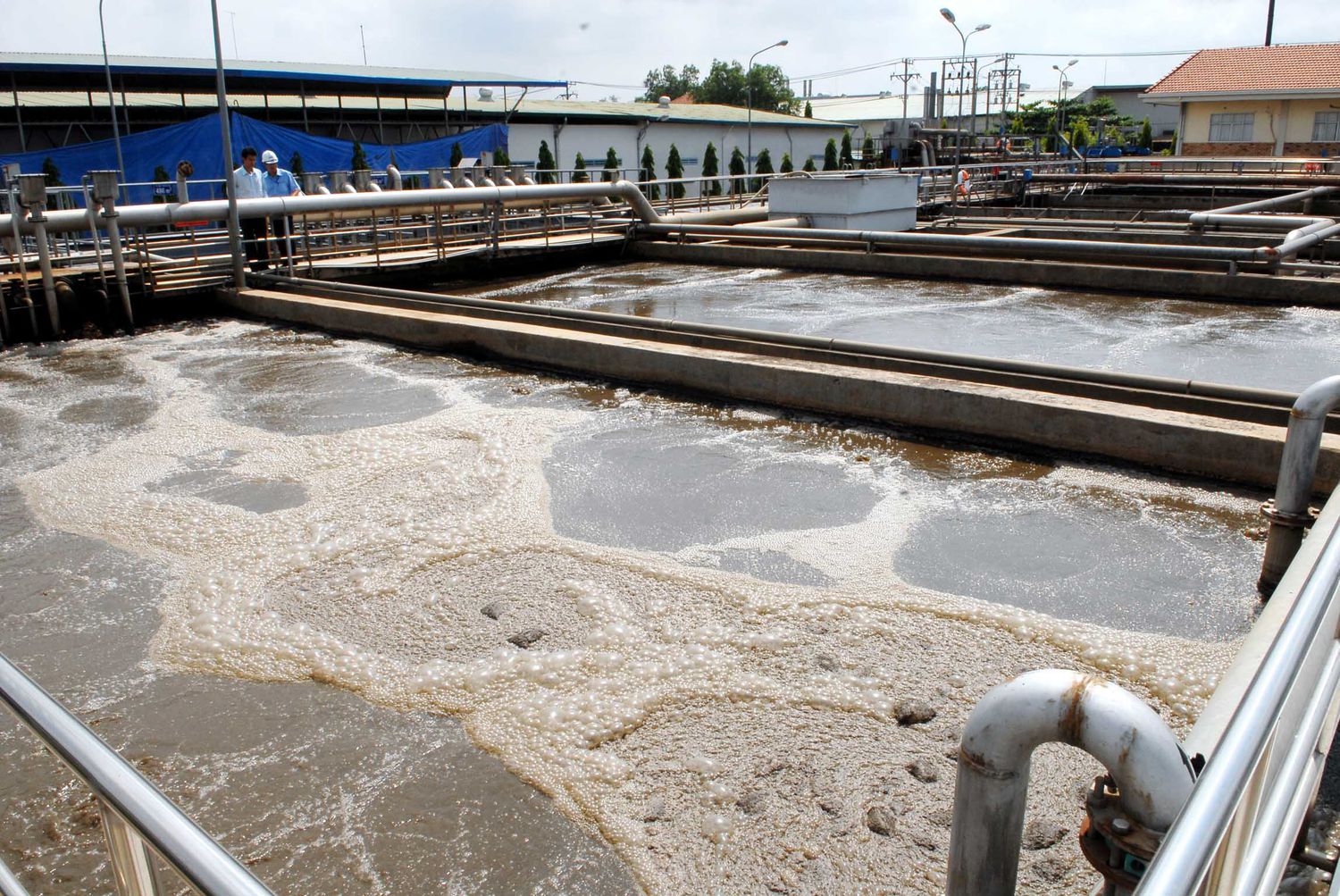
Administrative Penalties
Under administrative penalty regulations in environmental protection, strict fines are levied depending on the nature and volume of discharge:
Failure to Install or Operate Automatic Monitoring Systems: Fines range from 100,000,000 VND to 250,000,000 VND for failing to install a monitoring station or failing to connect data transmission to regulatory authorities.
Unauthorized Tampering or Falsification of Monitoring Data: Fines range from 150,000,000 VND to 300,000,000 VND for intentional miscalibration of sensors, signal interruption, or unauthorized software manipulation.
Discharging Wastewater Exceeding Technical Standards (COD, TSS, pH, etc.): Fines range from 50,000,000 VND to over 1,000,000,000 VND, depending on the extent of non-compliance (from 1.1 times to over 10 times above allowable limits) and total discharge volume.
Additional Sanctions and Remedial Measures: Revocation of Environmental Permits or operational suspension for 3 to 12 months; mandatory compensation for environmental damages; and full coverage of water sampling, testing, and assessment costs.
Technical Solutions to Maintain Compliance
To ensure transmitted data remains accurate, uninterrupted, and free of false alarms, equipping and operating reliable multi-parameter water testers plays a decisive role:
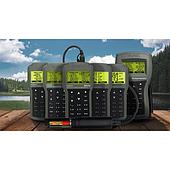
Equip Certified Industrial Measurement Devices: Submersible or flow-through sensors must be durable, corrosion-resistant, and built for harsh wastewater environments. Investing in specialized automatic water quality testers ensures real-time continuous data recording with virtually zero delay.
Instantaneous pH Control: Sensors of pH meter fitted at neutralization tanks and final discharge points should feature automatic self-cleaning electrode surfaces to prevent fouling errors. When pH exceeds set thresholds, the system must instantly activate dosing pumps to adjust chemical levels before effluent reaches the receiving body.
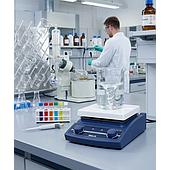
Routine Calibration and Maintenance: All sensor heads must be regularly calibrated with standard buffer solutions. Sensor membrane cleaning and electrolyte replacement must strictly follow technical procedures to guarantee signal reliability.
Accurately operating continuous automatic monitoring systems not only ensures legal compliance under Decree No. 08/2022/ND-CP and Decree No. 48/2026/ND-CP, but also effectively prevents heavy administrative fines and the risk of permit revocation.
For consultation on solutions for installing automated wastewater monitoring stations and acquiring environmental measurement equipment that meets calibration standards, businesses can find more information directly at here.