Noise and the Current State of Sound Pollution
From a physical perspective, noise is a combination of sounds with different intensities and frequencies, arranged irregularly and causing discomfort to listeners. Unlike other types of pollution such as water contamination or waste which are visible noise pollution is invisible but highly destructive.
In major cities and industrial zones, sound levels often exceed permissible limits. Traffic noise during rush hours typically reaches 80–90 dB. Meanwhile, stamping machines, air compressors, or industrial ventilation systems can exceed 100 dB a level capable of causing permanent hearing damage after just a few hours of exposure.
Currently, enforcement and penalties for noise pollution violations remain limited. Meanwhile, noise pollution significantly reduces work productivity and negatively affects mental health.

Classification of Common Noise Types
To apply effective solutions, it is essential to correctly classify noise characteristics:
Continuous noise: From machines operating steadily such as fans or electric motors.
Intermittent noise: Occurs periodically, such as sawing, drilling, or traffic noise.
Impact noise: The most dangerous type, with extremely high intensity in a very short duration (e.g., hammering, explosions, stamping machines). This can rupture the eardrum without proper protection.
White noise: A special type of sound often used to mask other unpleasant background noises.

What Equipment Should Be Used for Accurate Noise Measurement?
Many people rely on smartphone apps, but in professional environments, such measurements have no legal or technical validity.
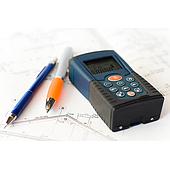
For accurate results, you need a dedicated sound level meter that complies with IEC 61672 standards. This device is designed to:
Accurately analyze frequency ranges (from low to high frequencies).
Measure both instantaneous peak levels and time-averaged noise (Leq).
Be calibrated to ensure objectivity in occupational safety reports.
You can refer to devices ranging from Class 1 (laboratory-grade) to Class 2 (field use) from reputable brands such as Extech, Testo, or Tenmars.
Effective Noise Control and Reduction Solutions
After identifying noise sources using measurement devices, businesses should follow a 3-step approach:
Control at the source: Maintain machinery, replace bearings, and lubricate systems to reduce friction and vibration.
Block transmission: Install soundproof barriers or acoustic panels to absorb and reduce noise reflection in enclosed spaces.
Protect workers: Use certified earplugs or earmuffs for noise protection.
To achieve the highest cost efficiency, you should order a sound level meter to accurately identify problem areas, avoiding unnecessary and wasteful investments in widespread soundproofing.
Mastering noise data not only helps businesses comply with legal regulations but also demonstrates responsibility toward employee and community health.

Contact EMIN today to receive consultation on the most optimal measurement solutions.