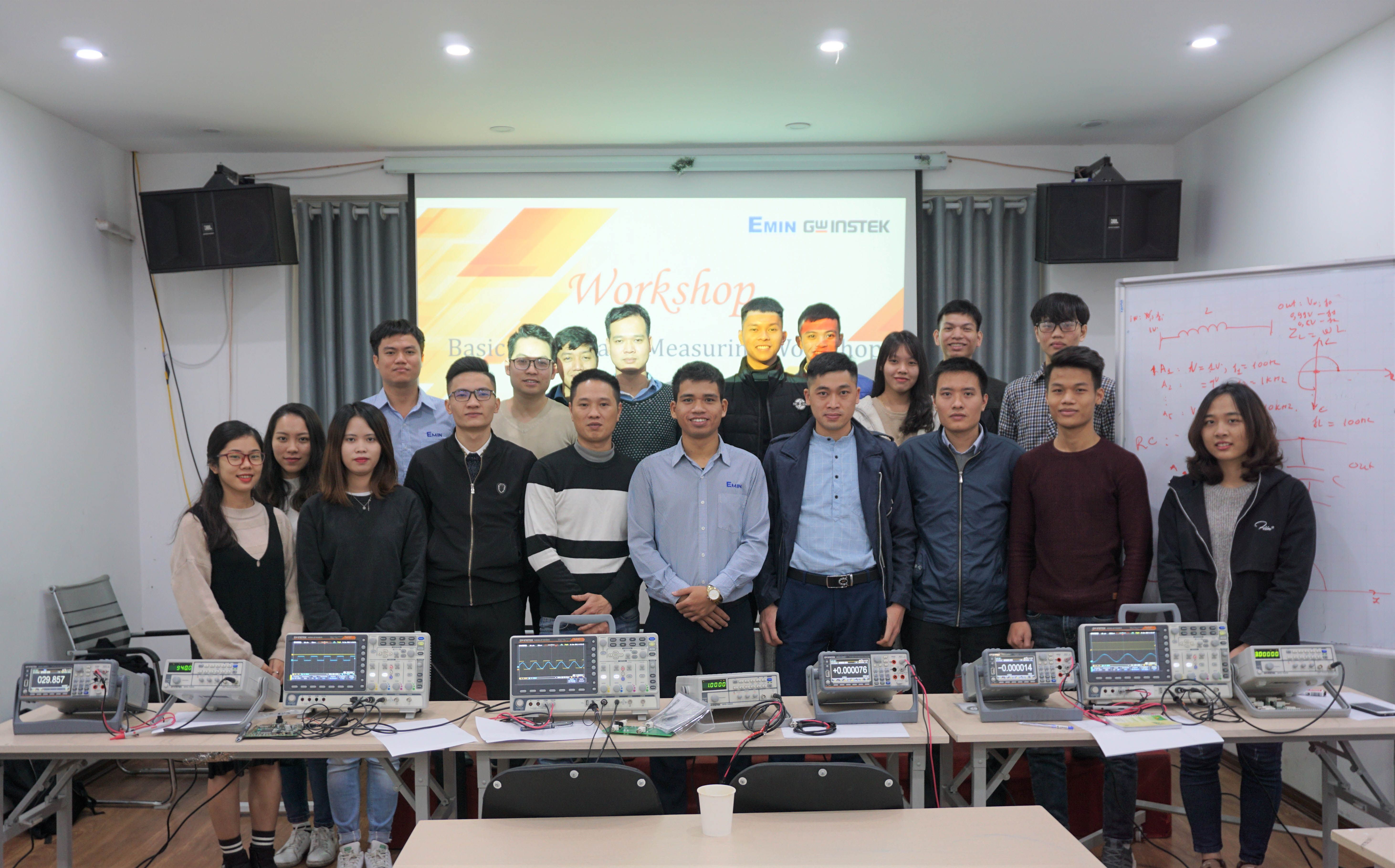
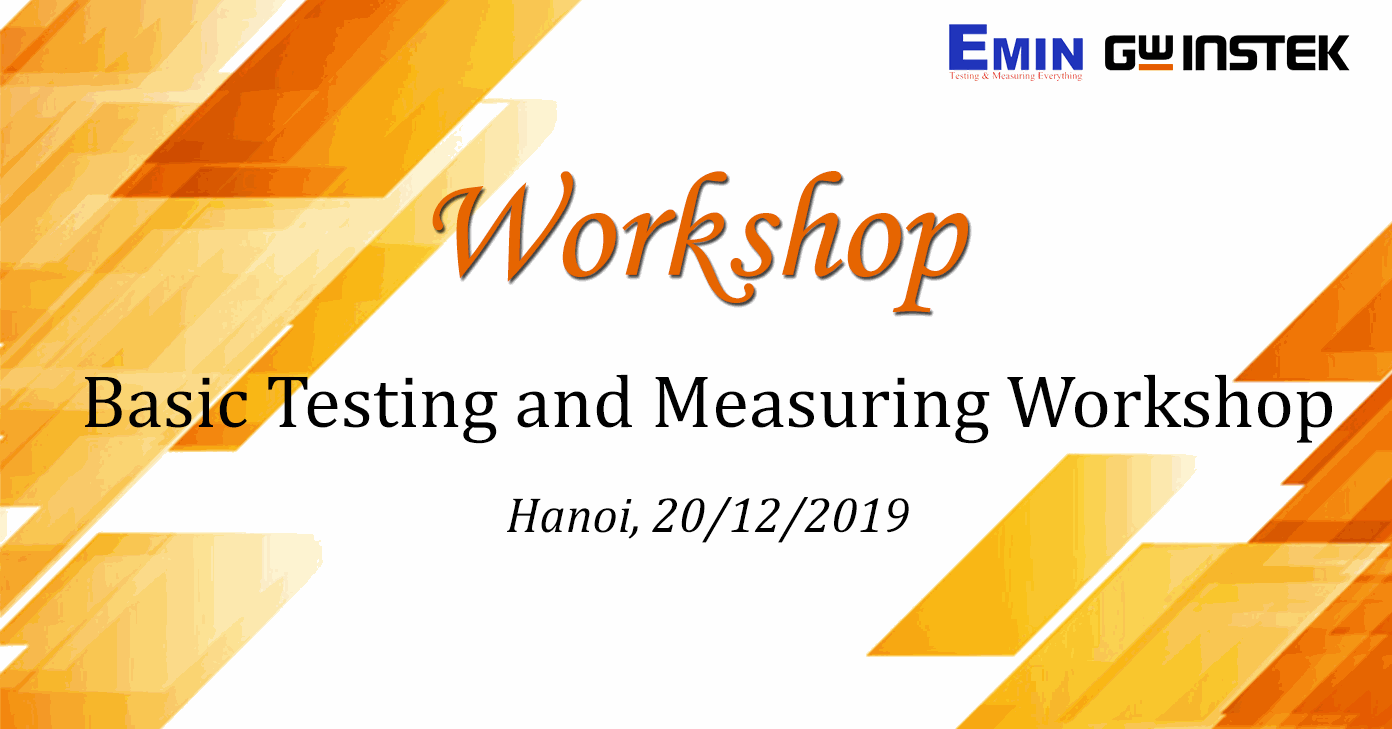
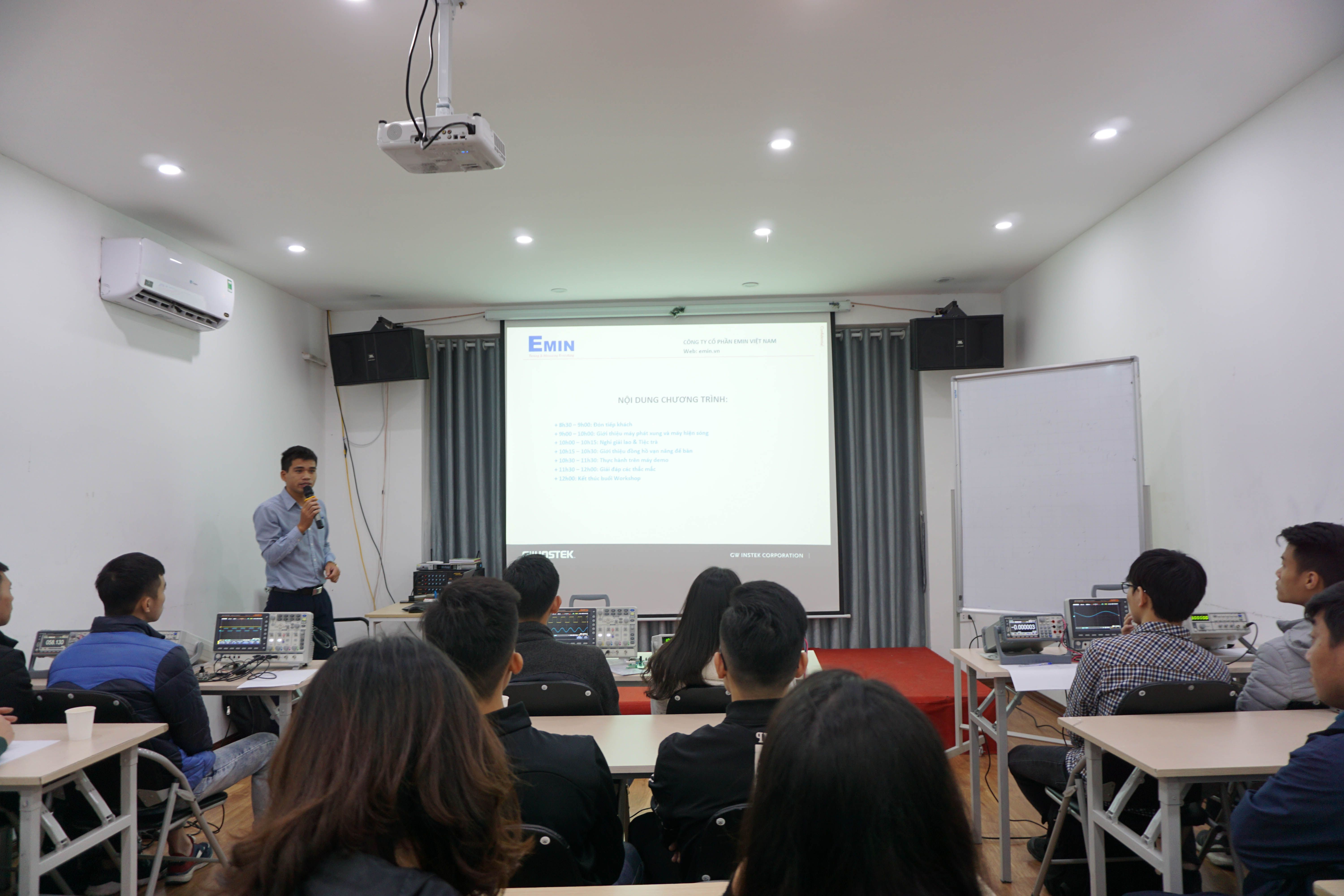
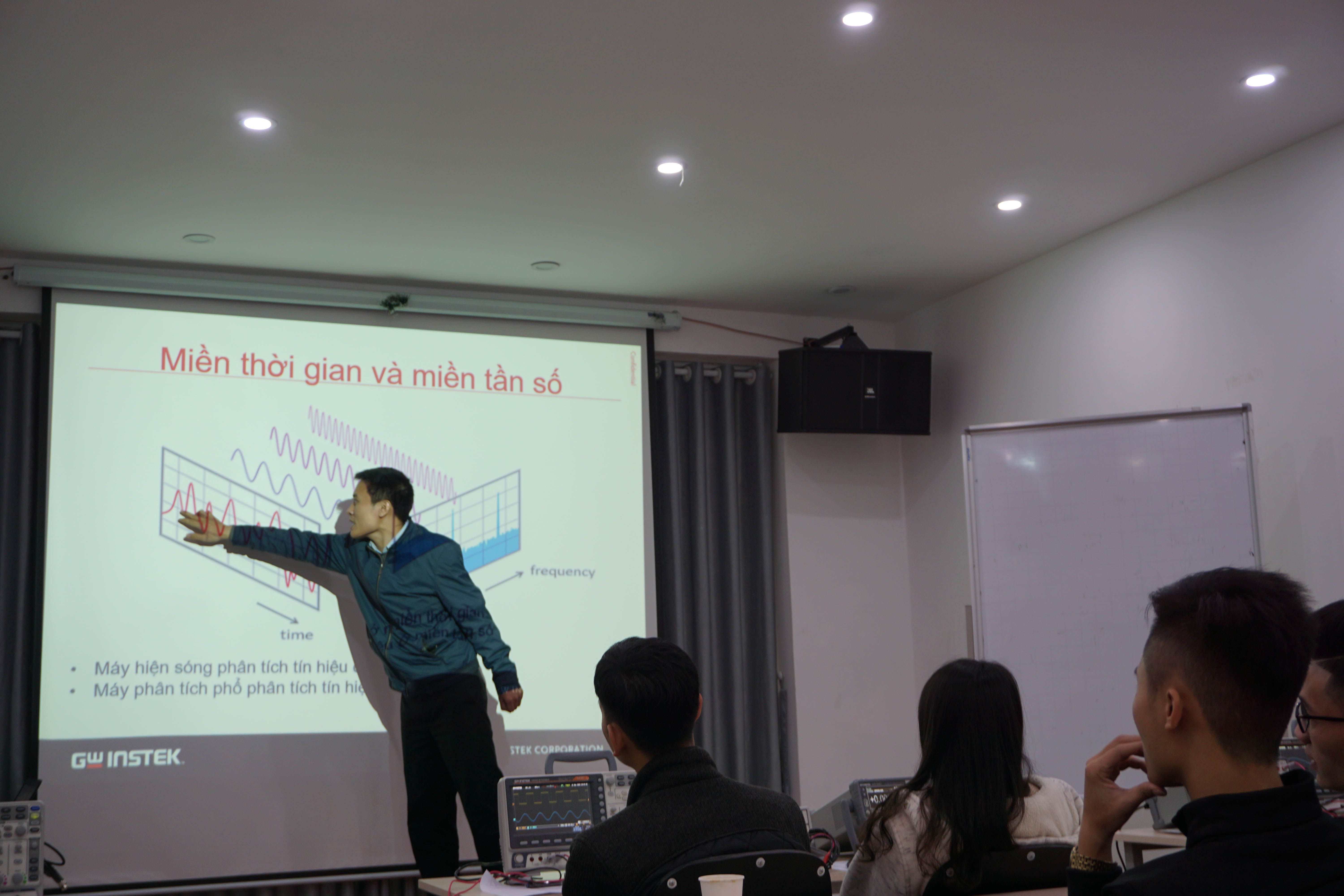
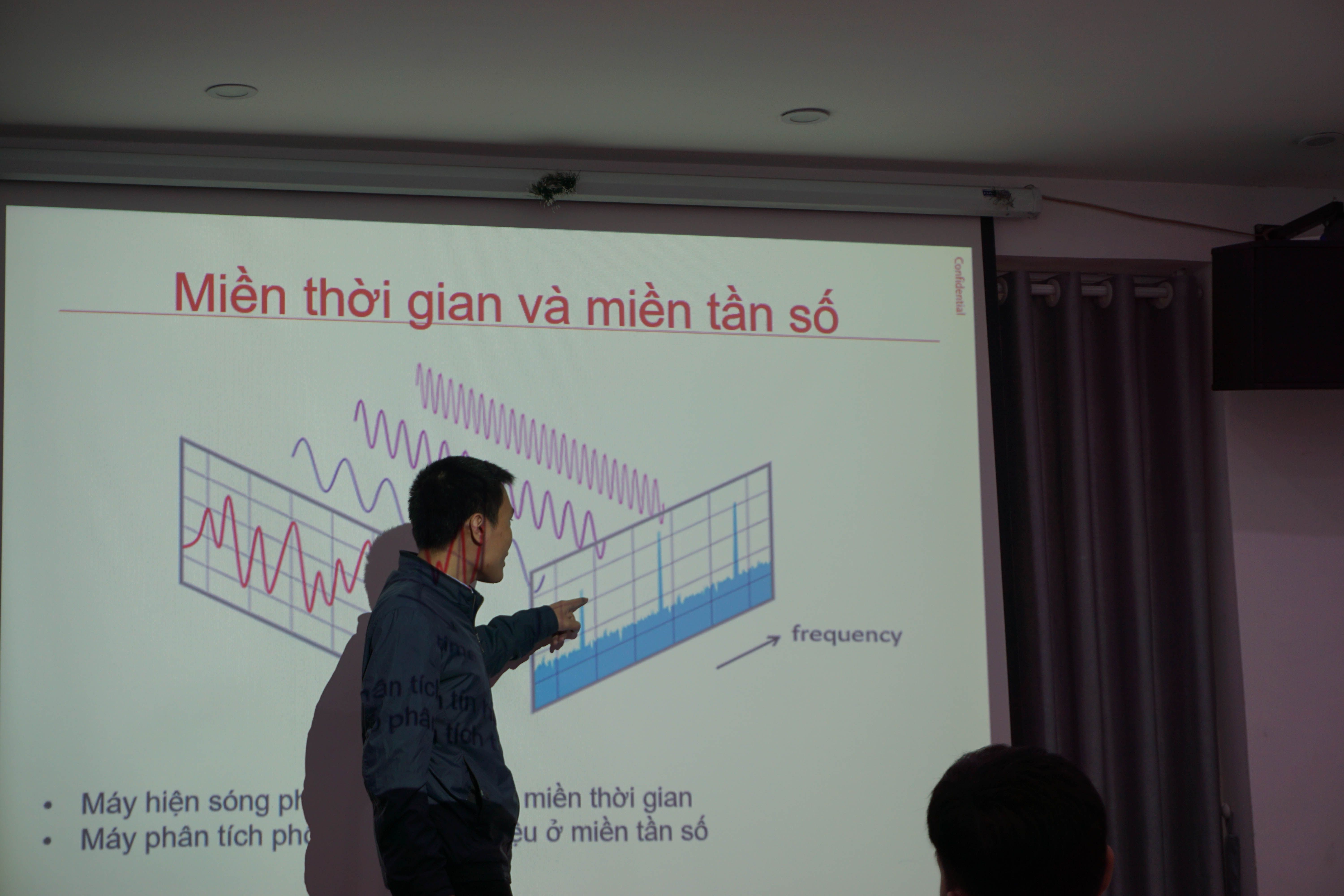
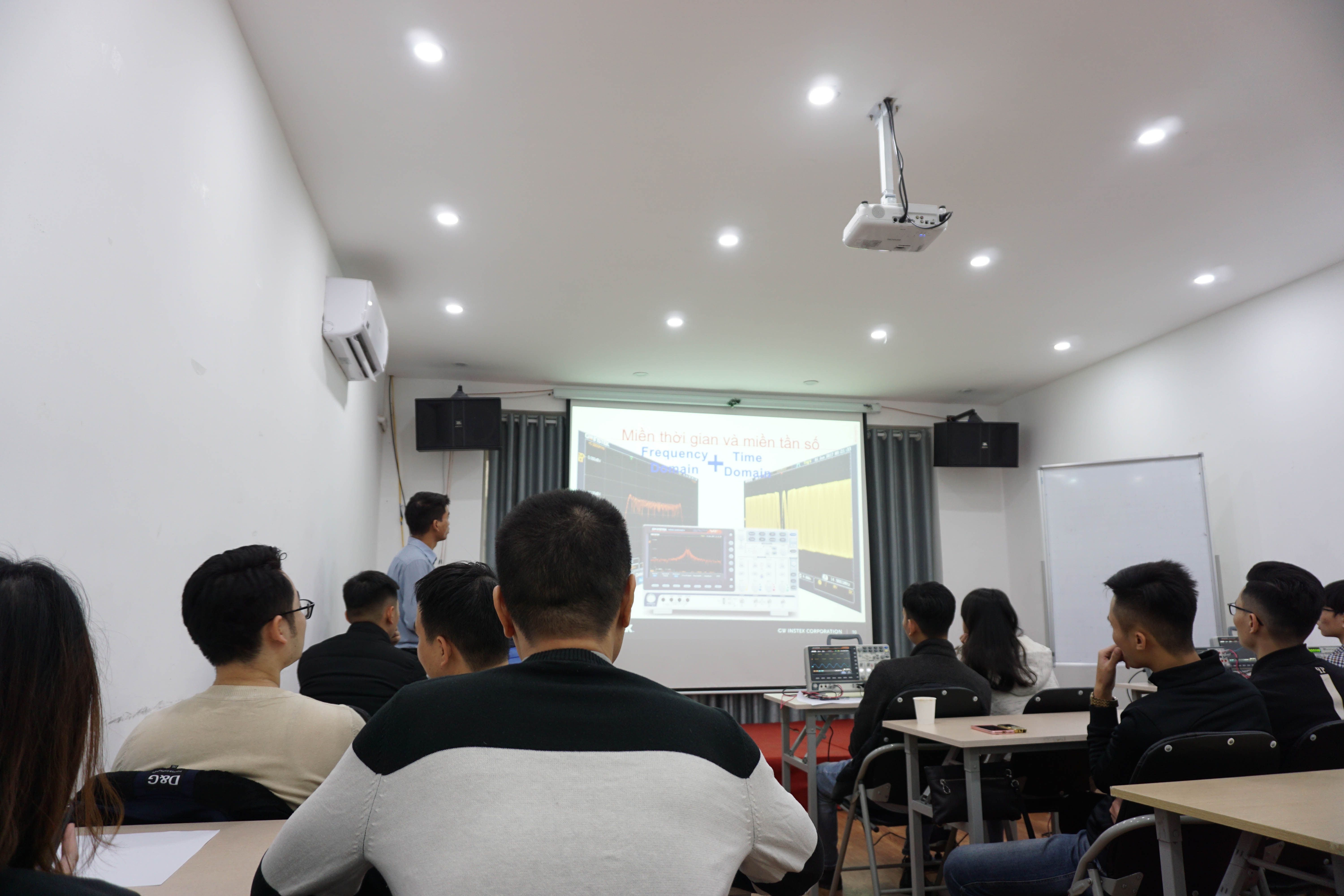
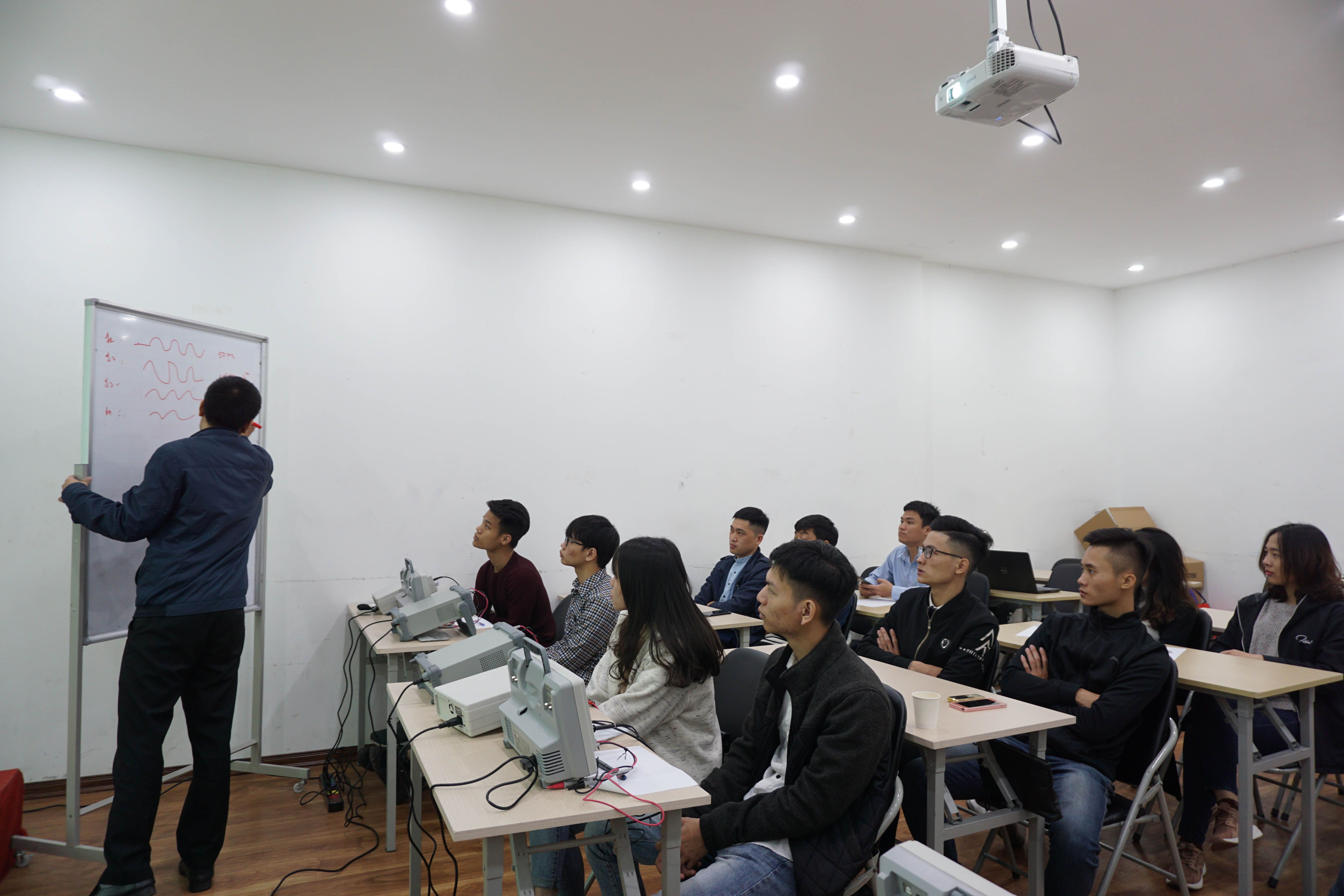
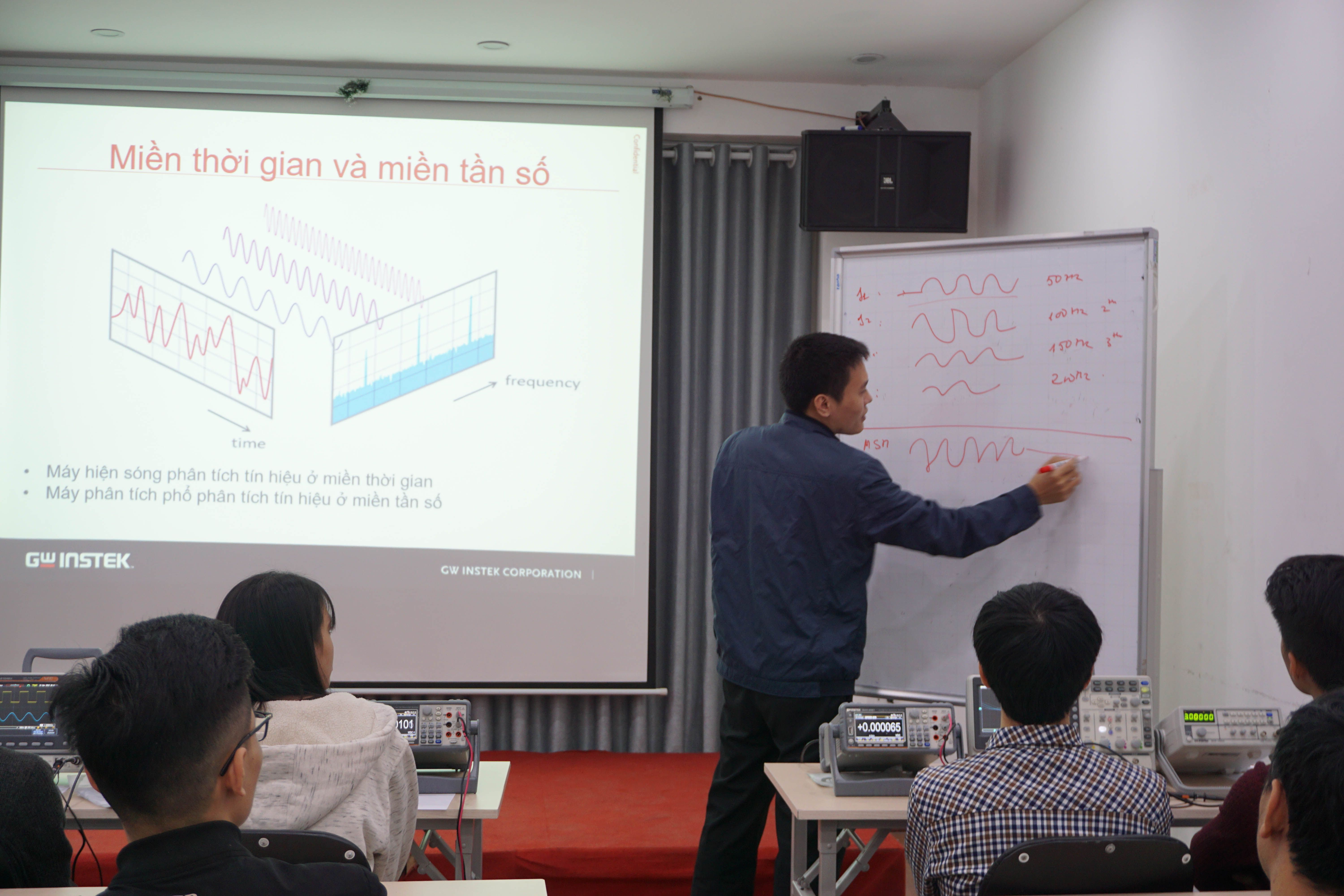
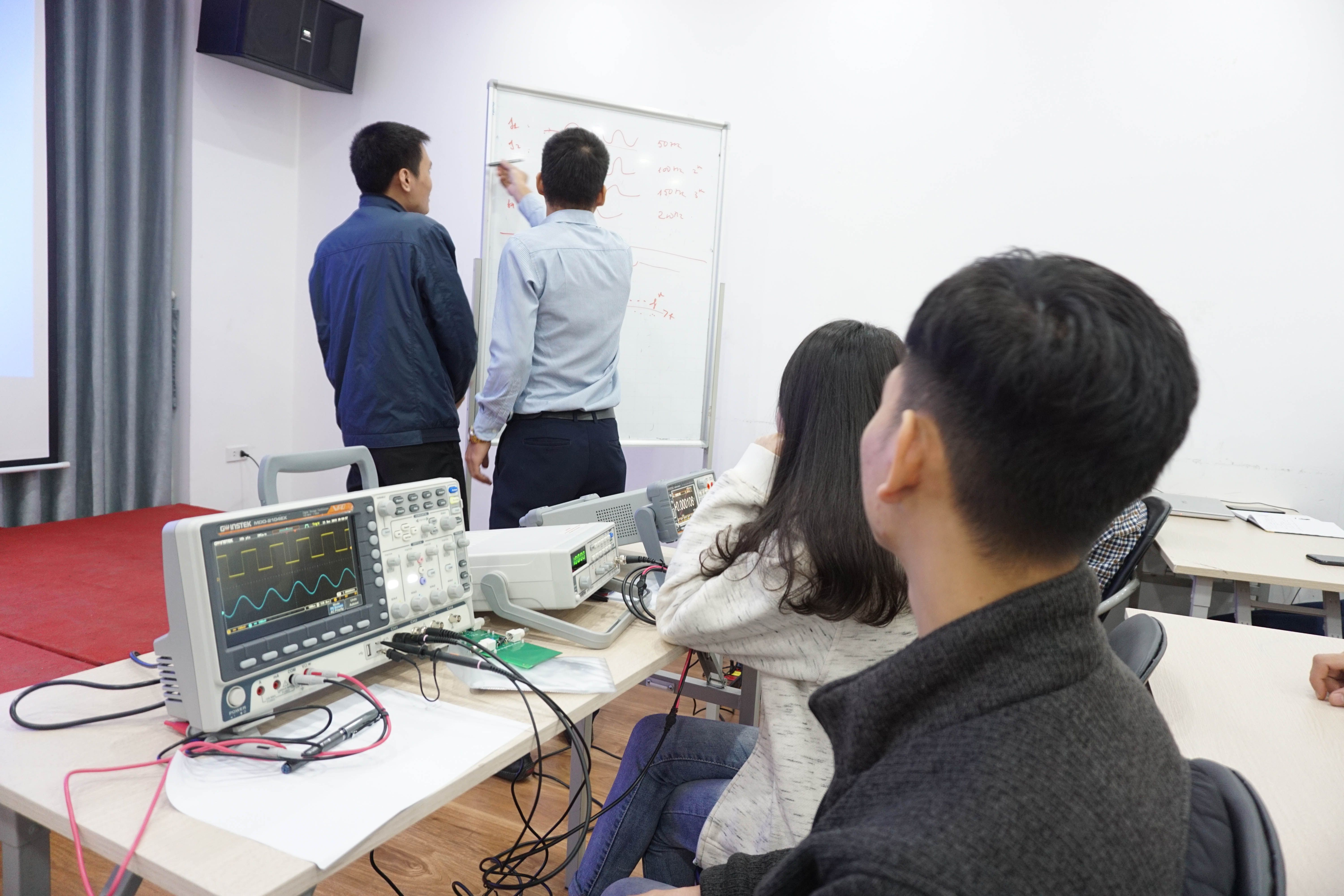
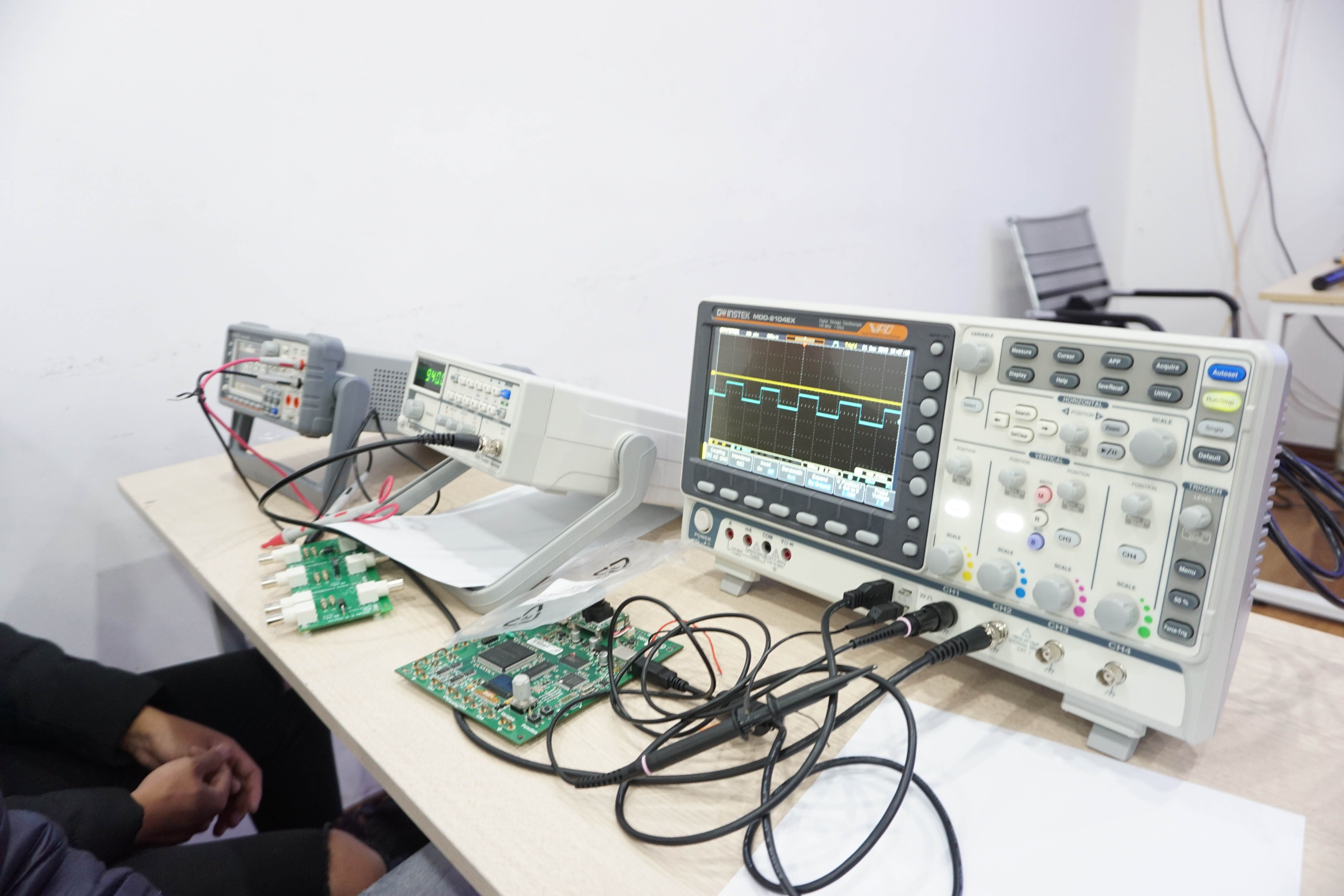
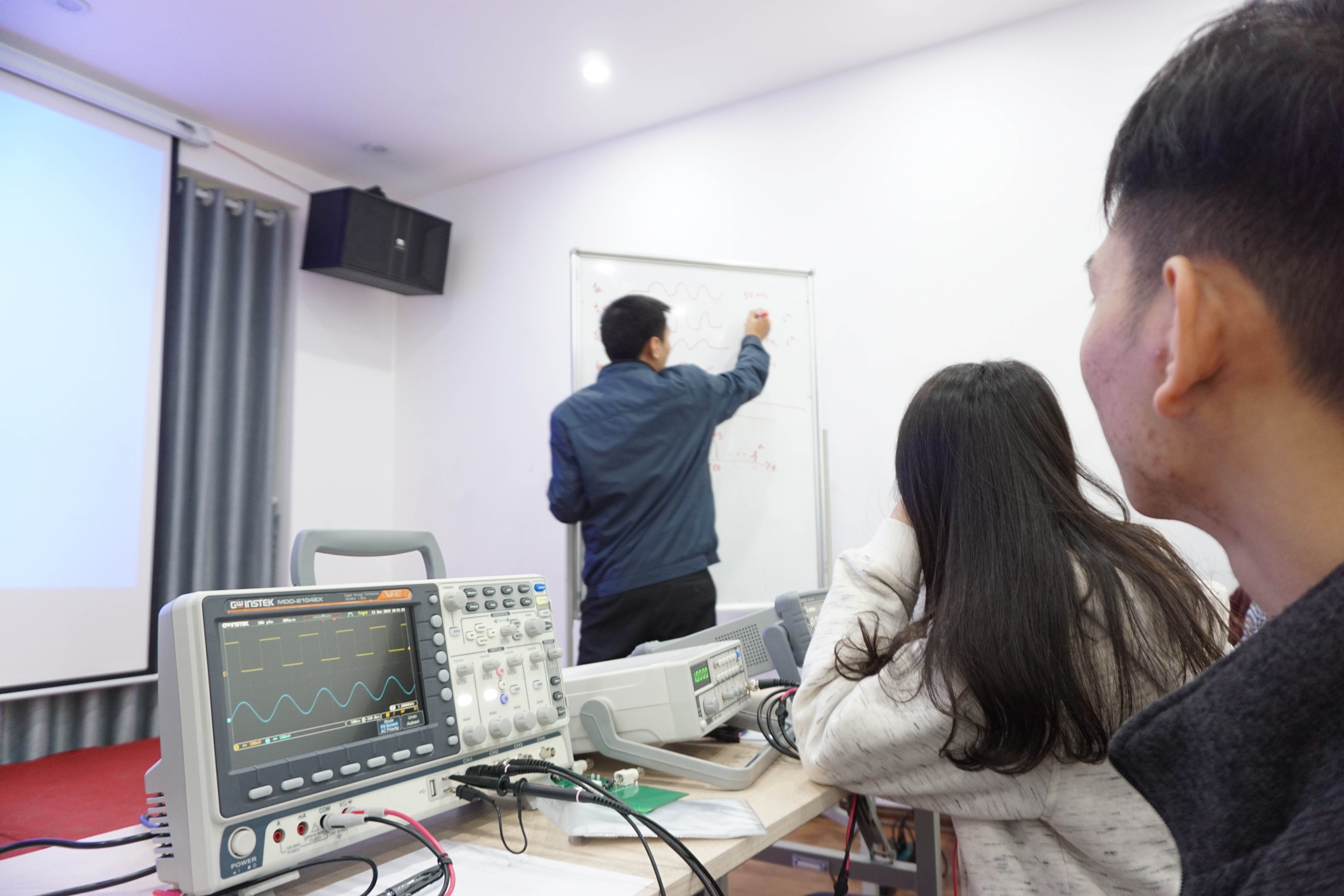
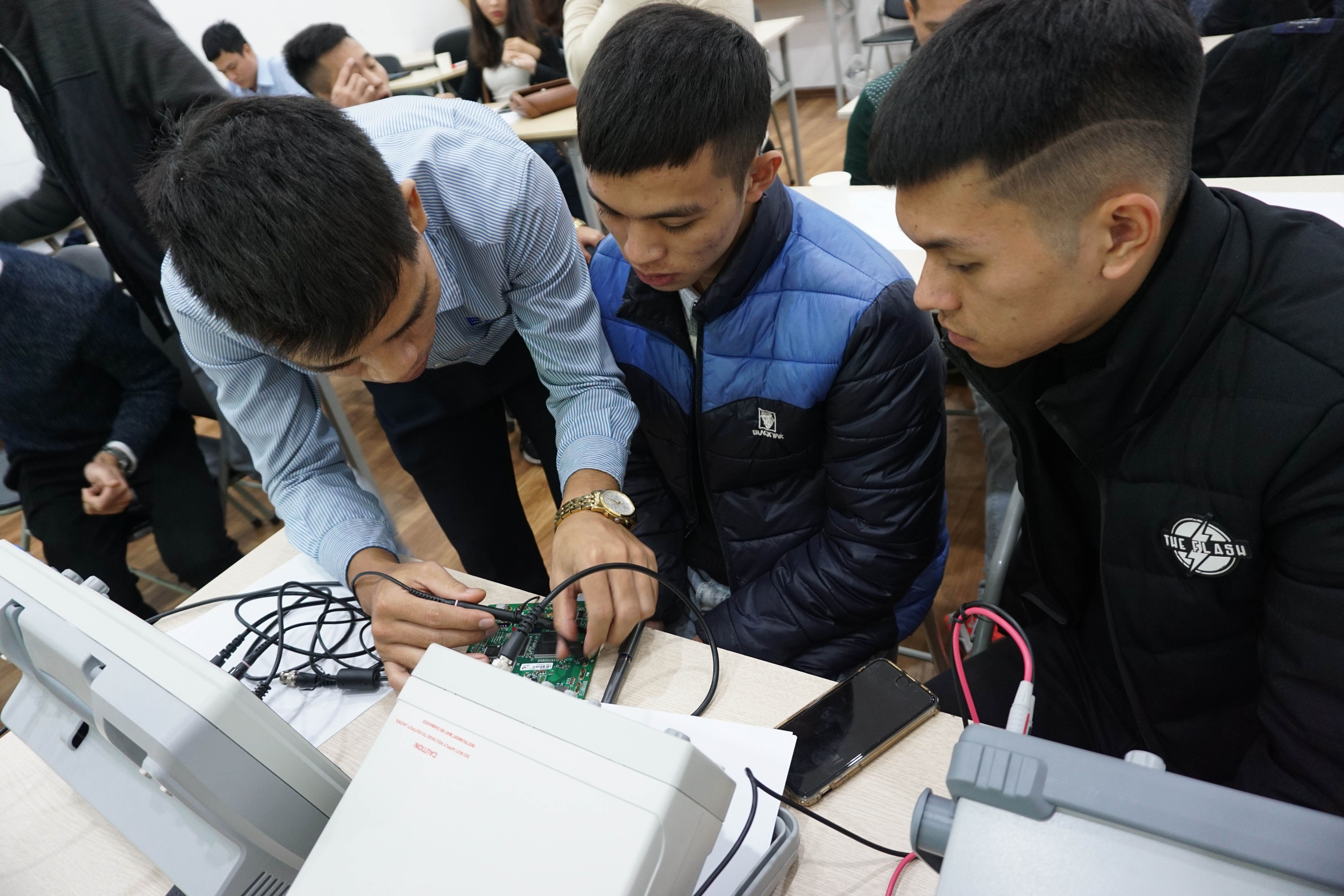
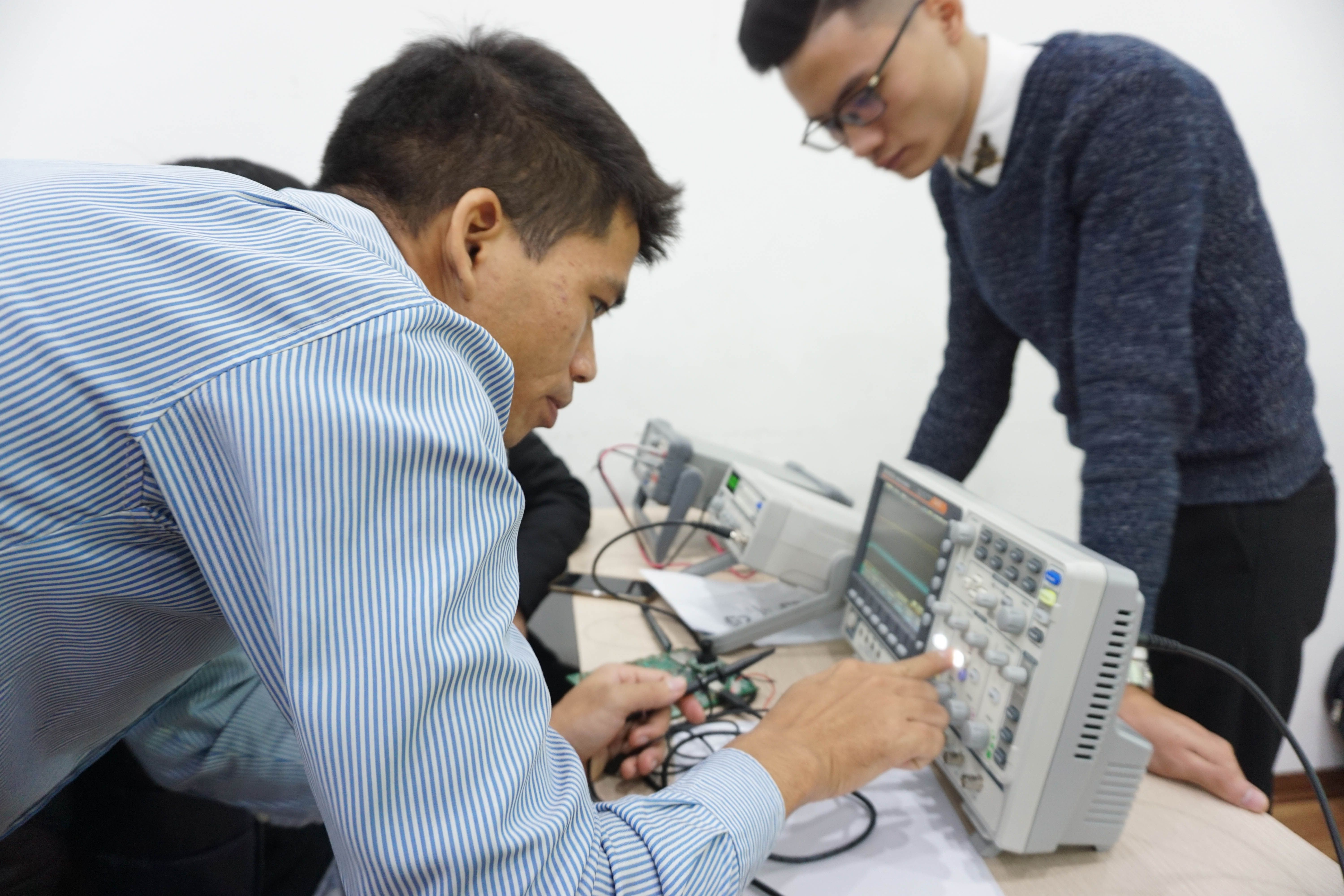
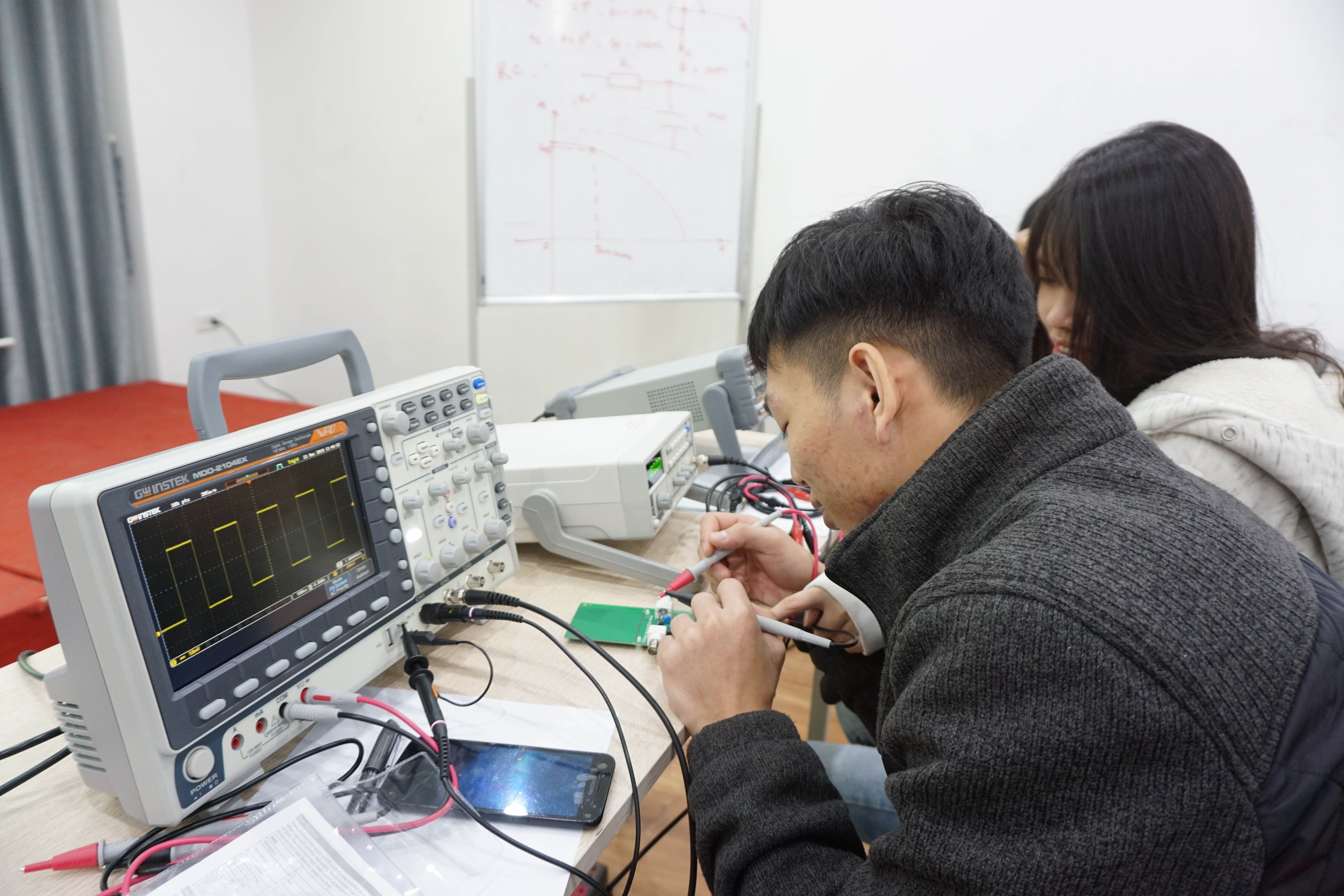
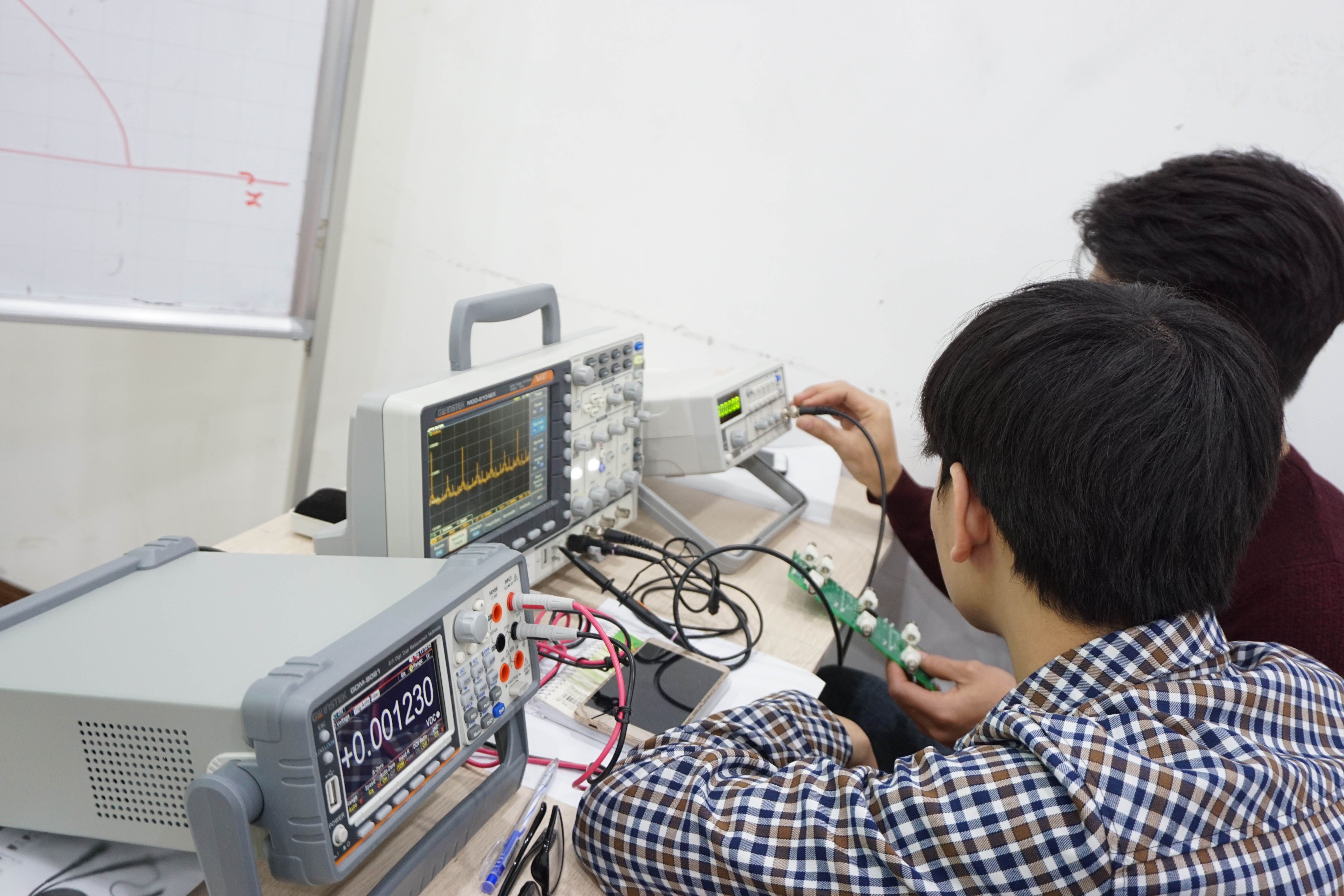
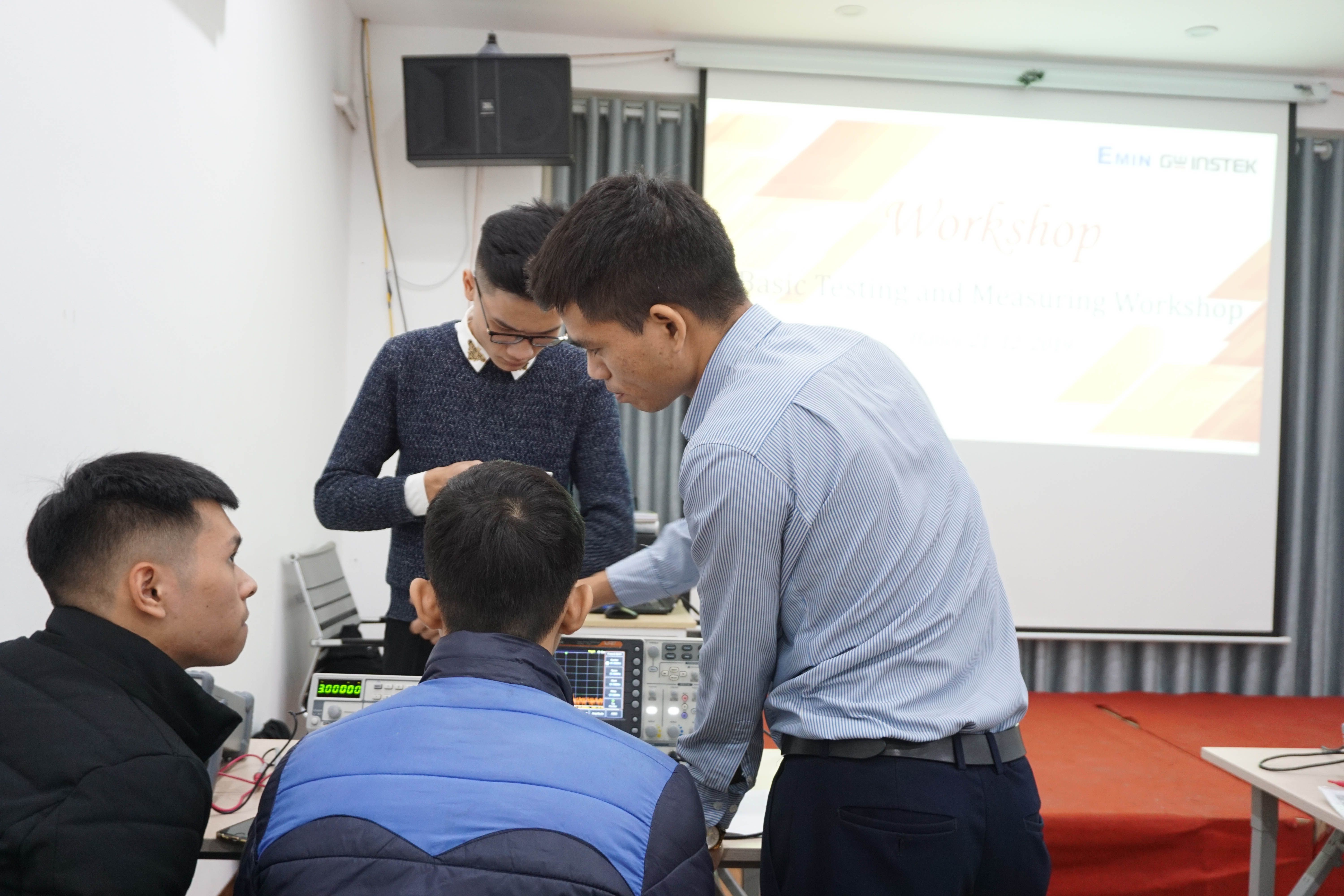
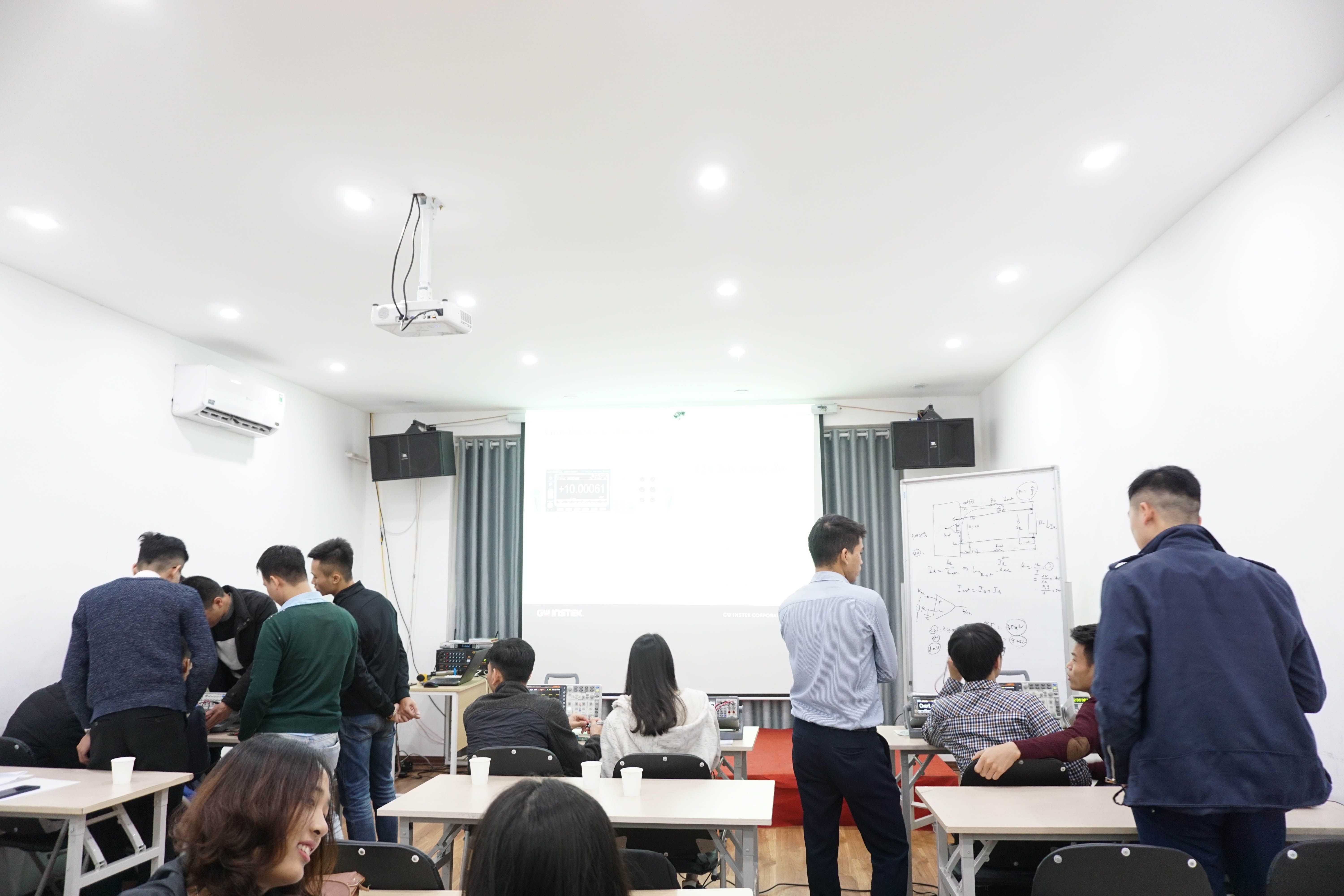
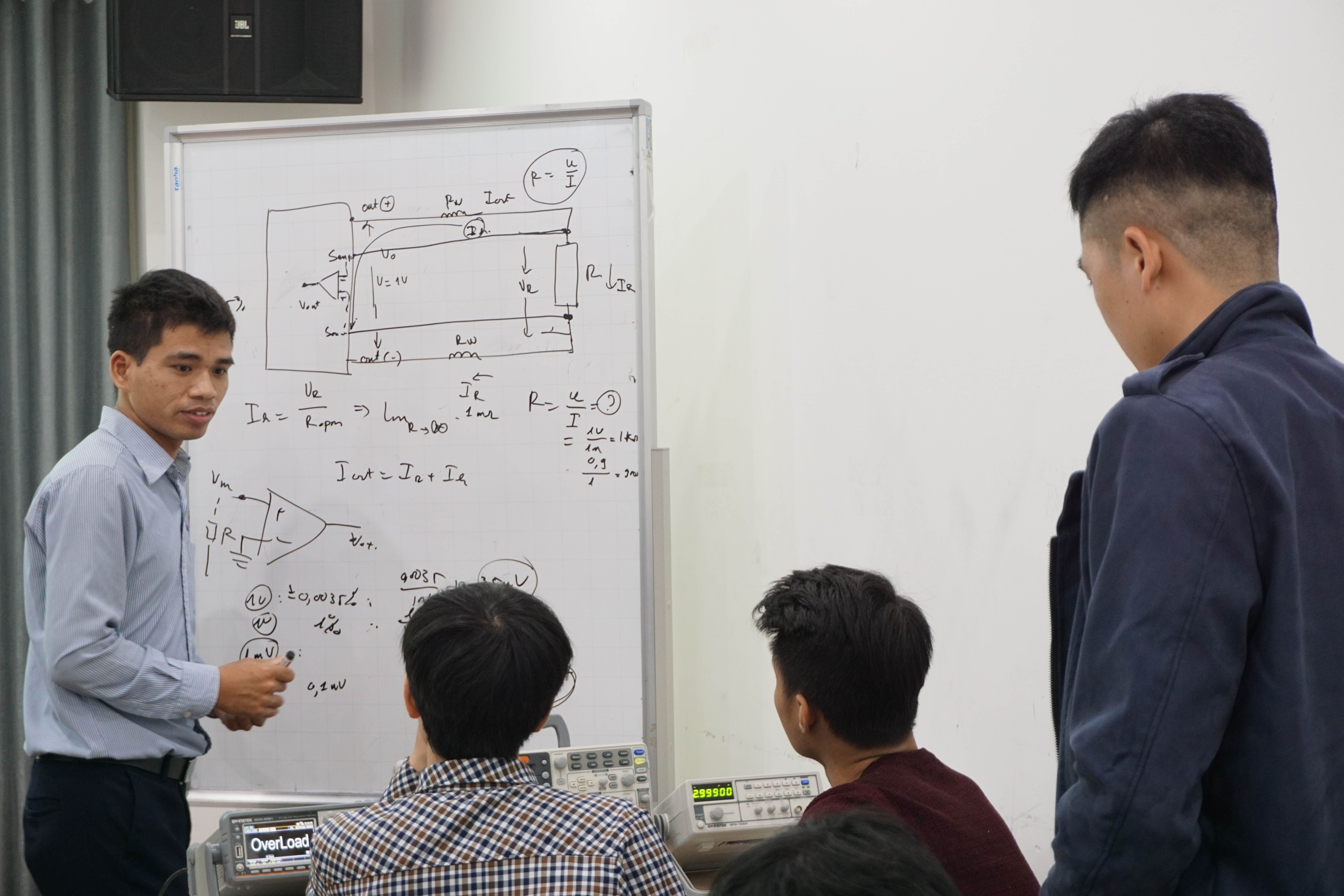
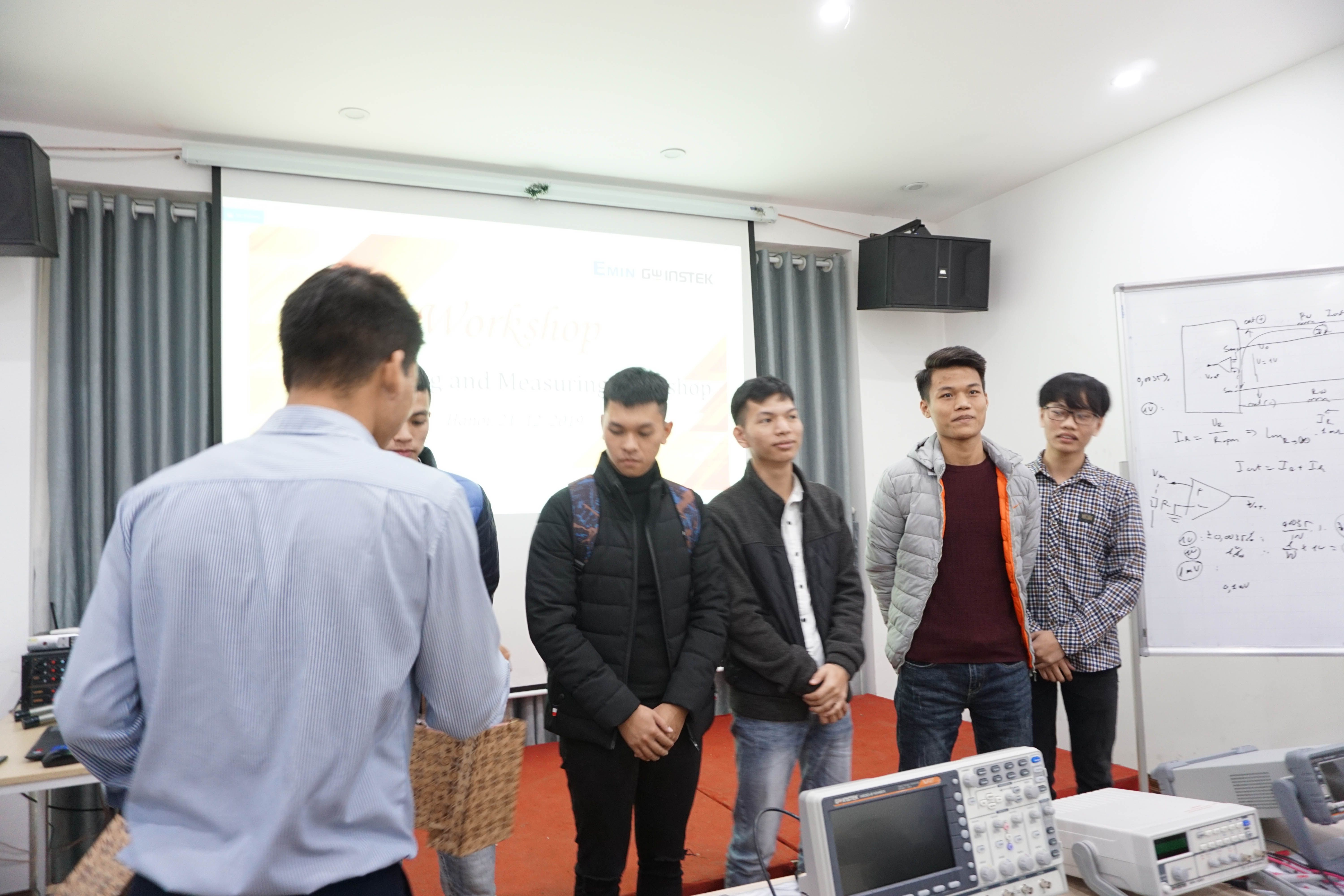
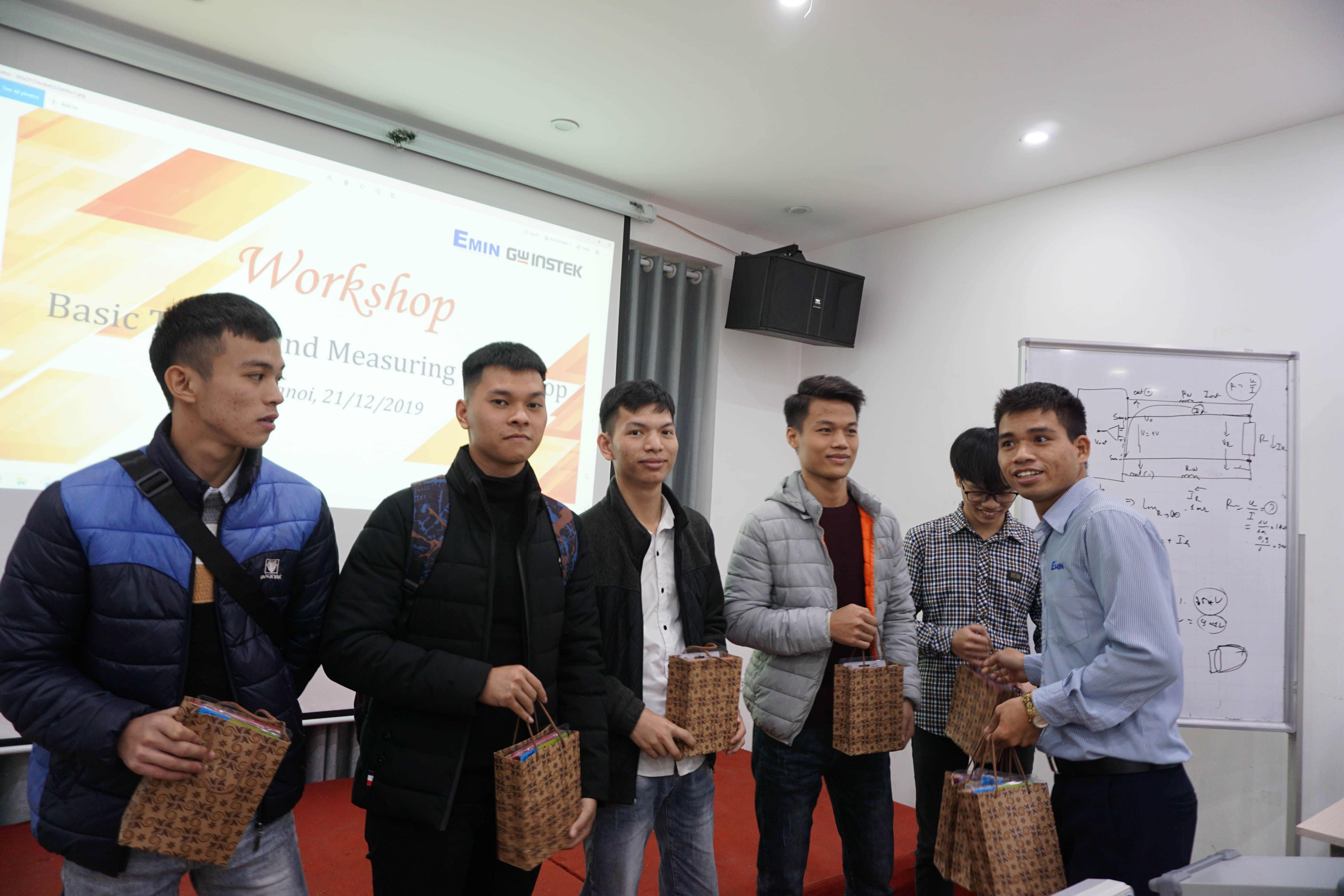
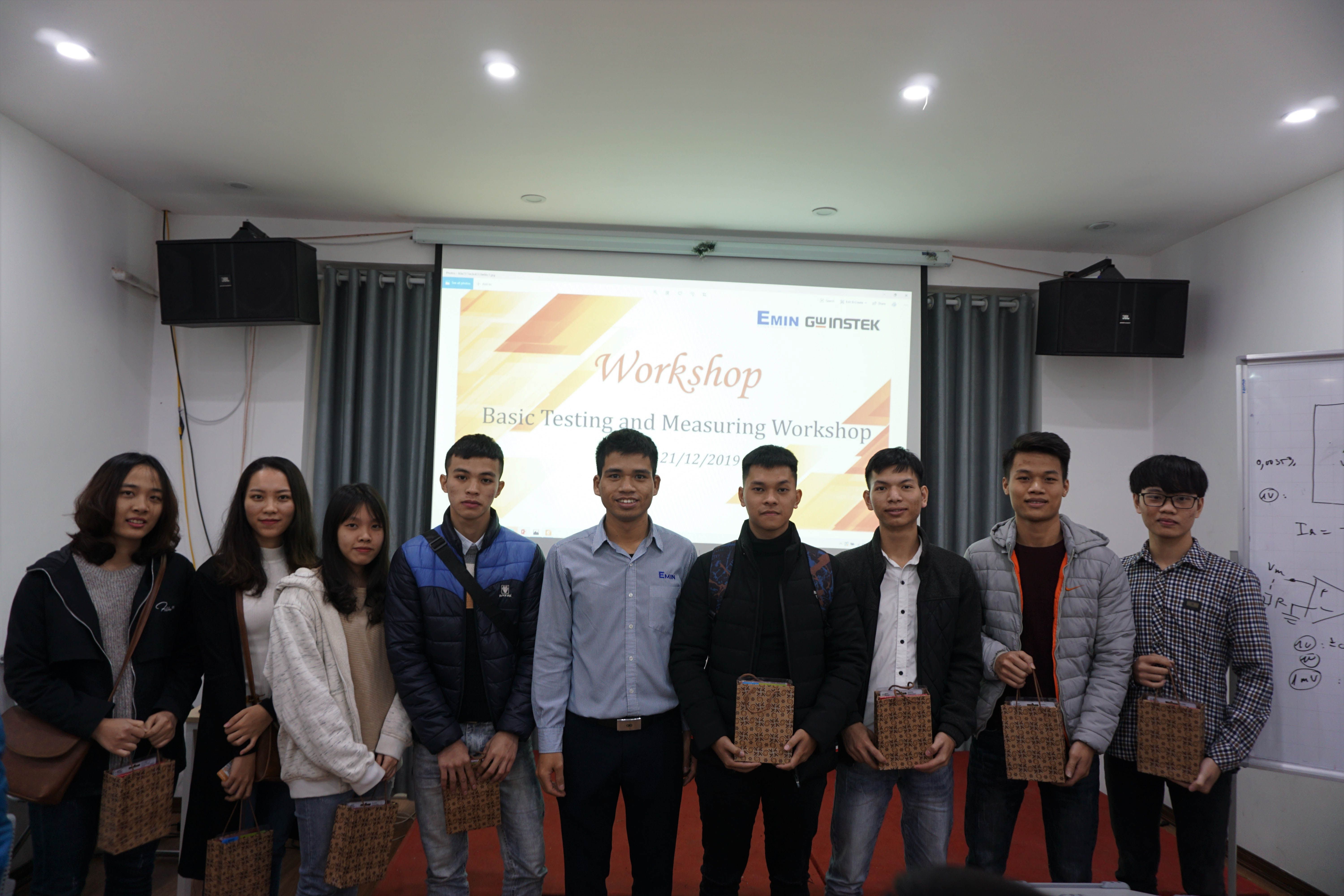
✔️Thời gian: 8:30~12:00, Thứ Sáu, Ngày 20 Tháng 12 Năm 2019
✔️Địa điểm: Tầng 2 tòa nhà A, số 22, đường Thành Công, Ba Đình, Hà Nội
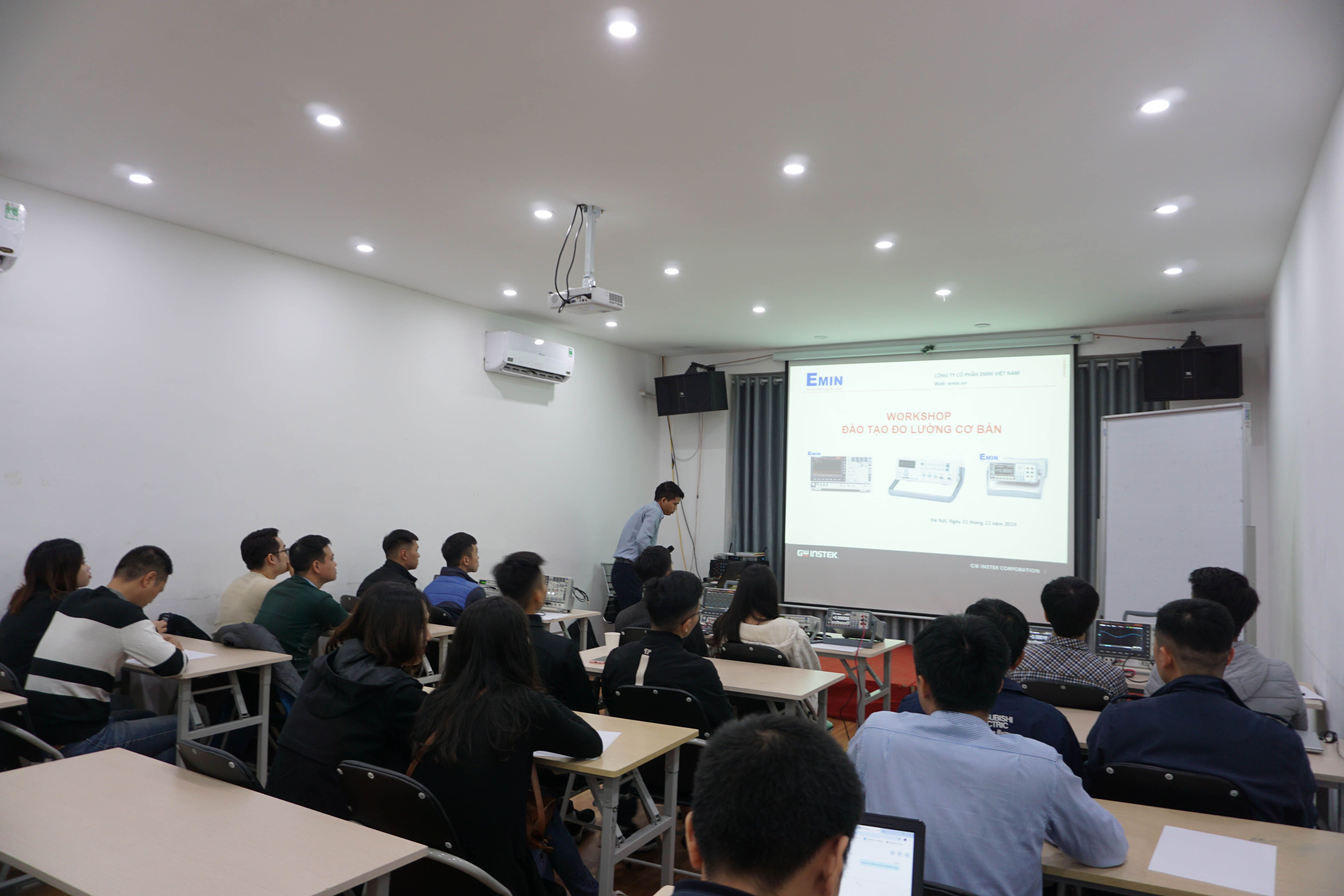
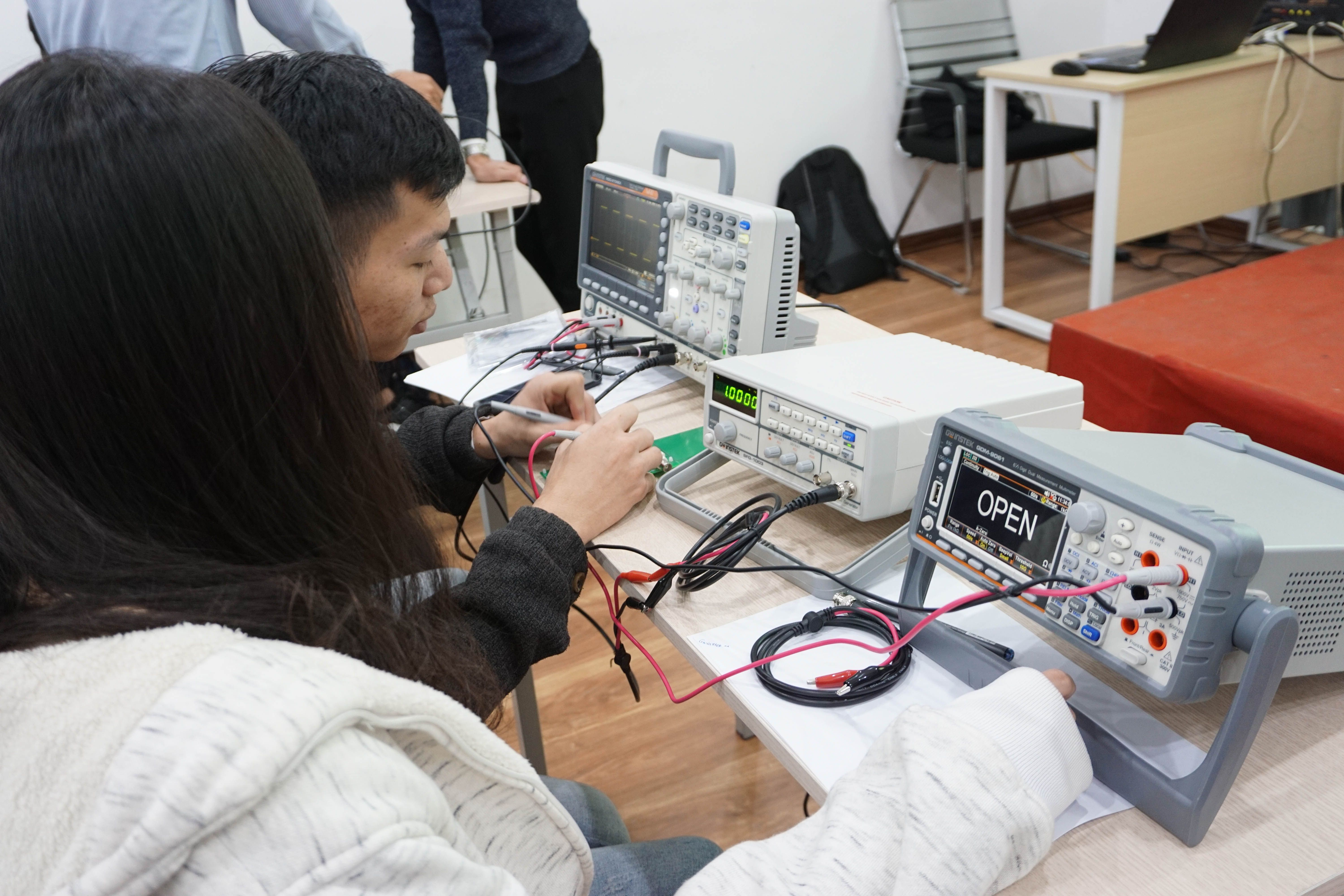
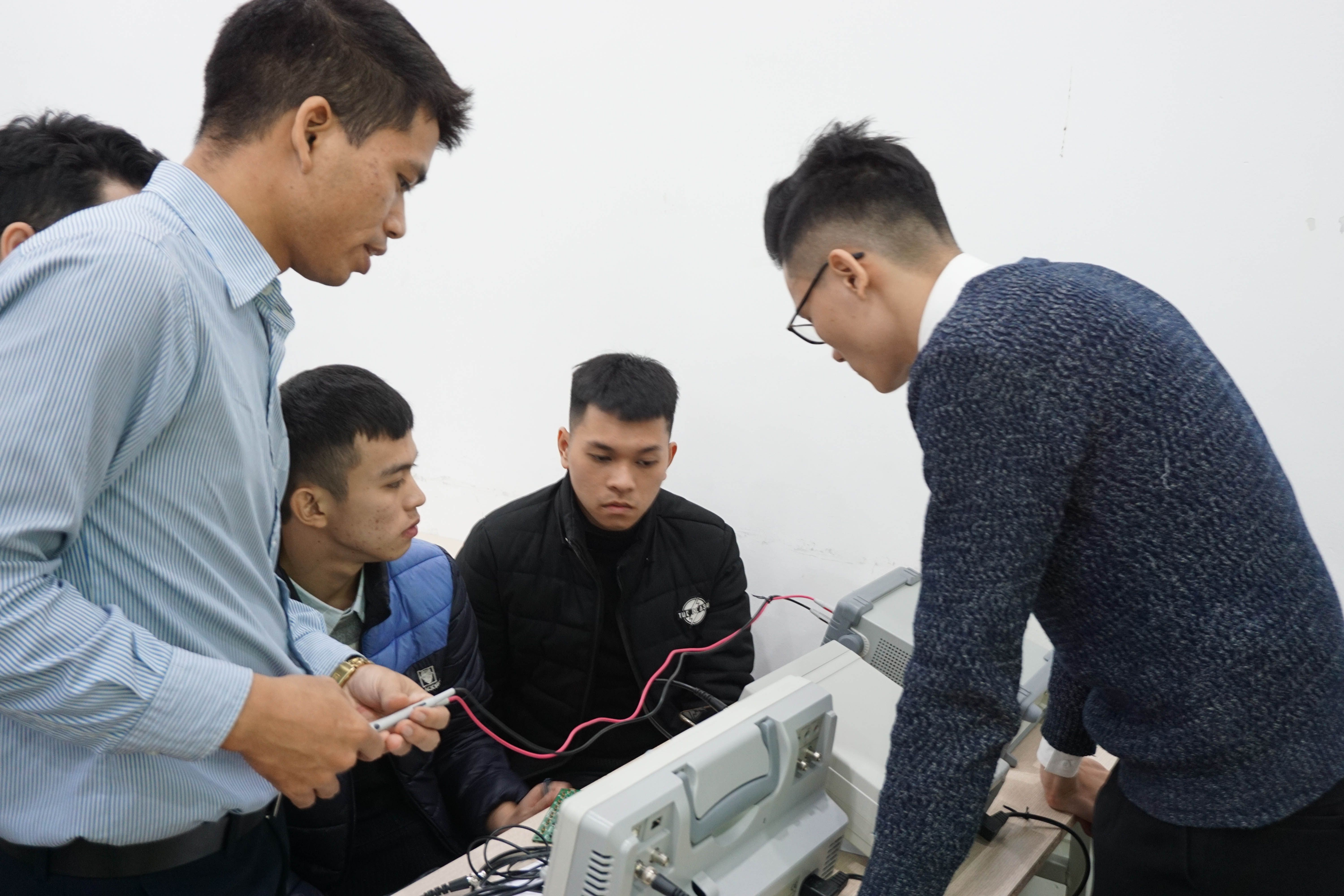
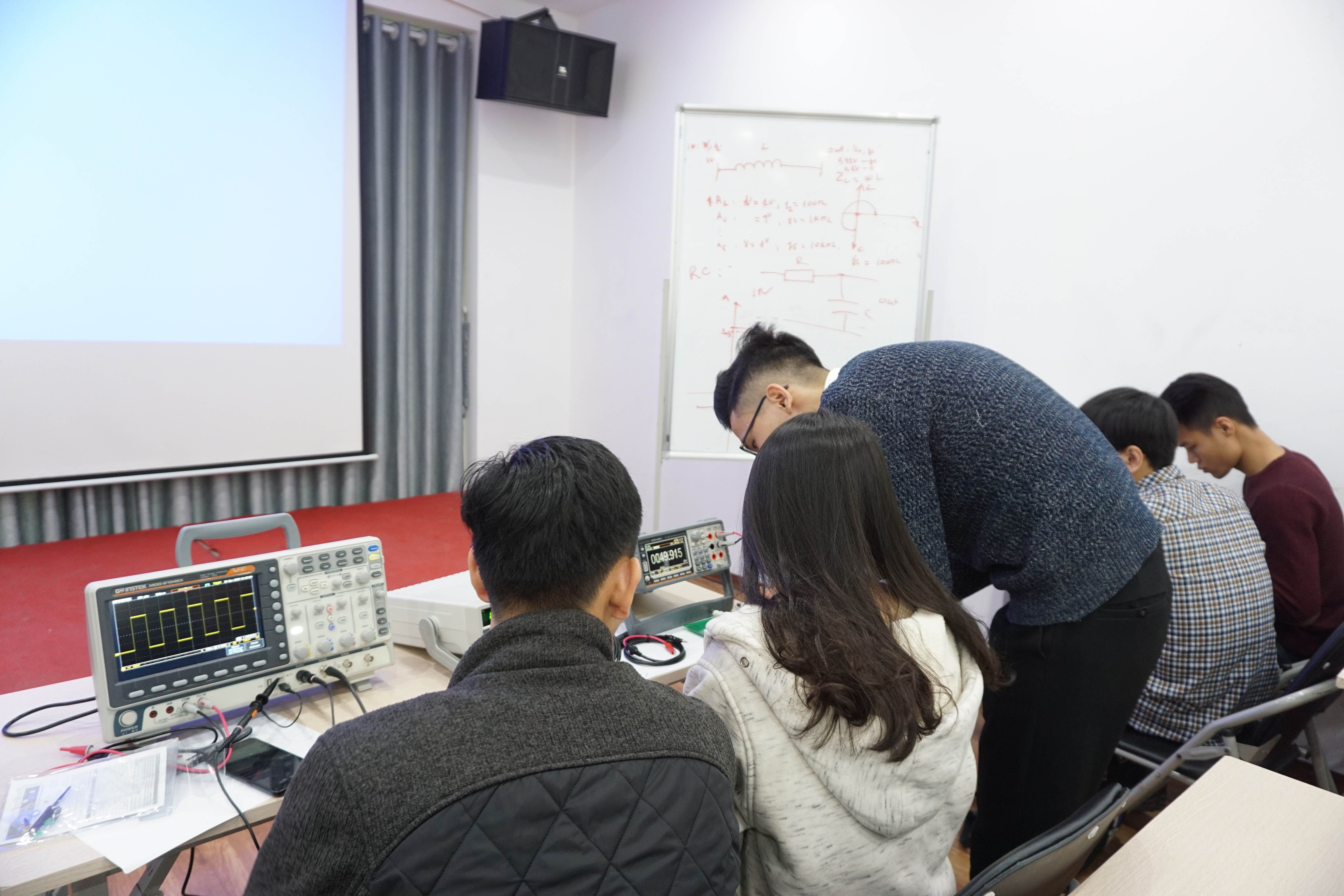
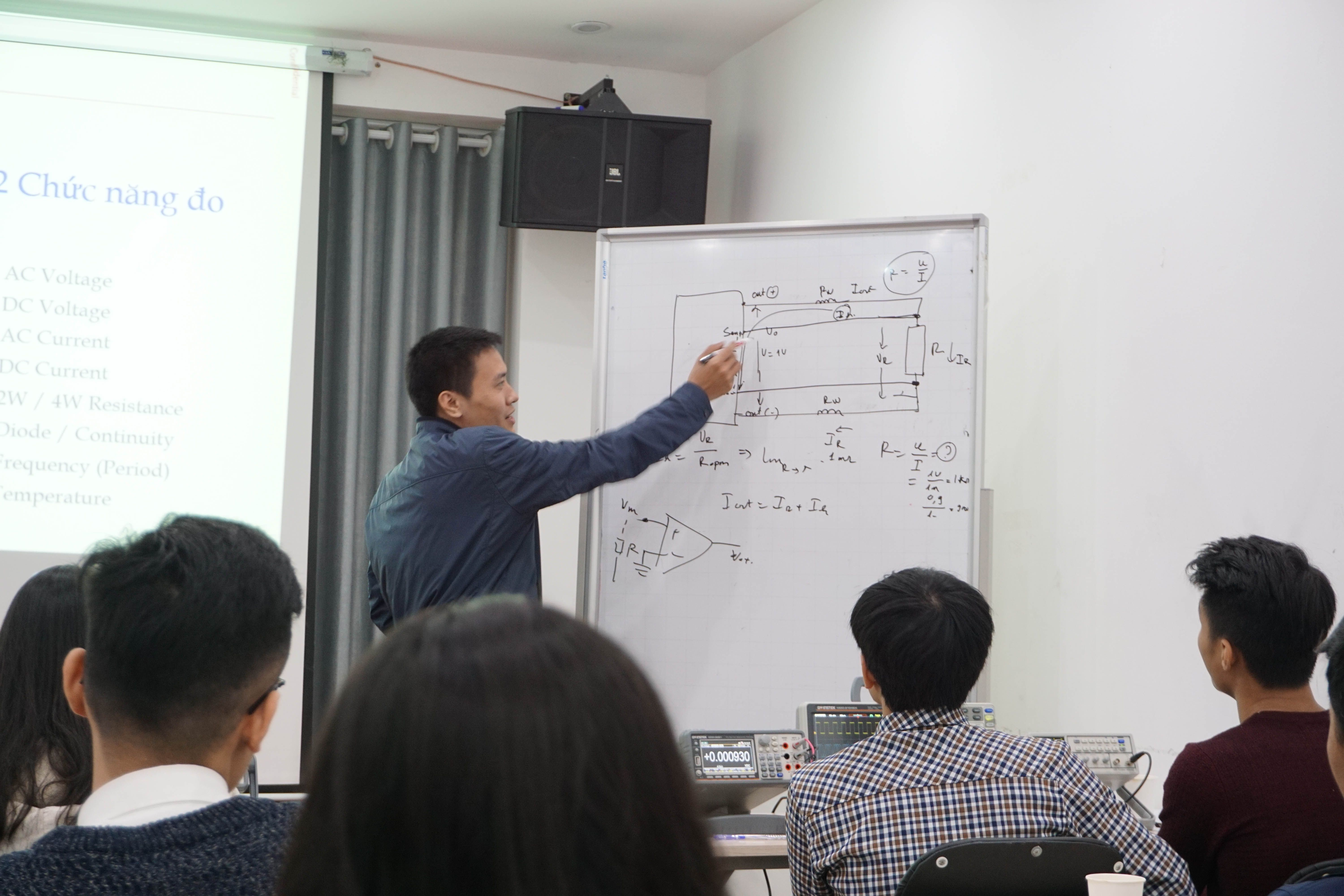
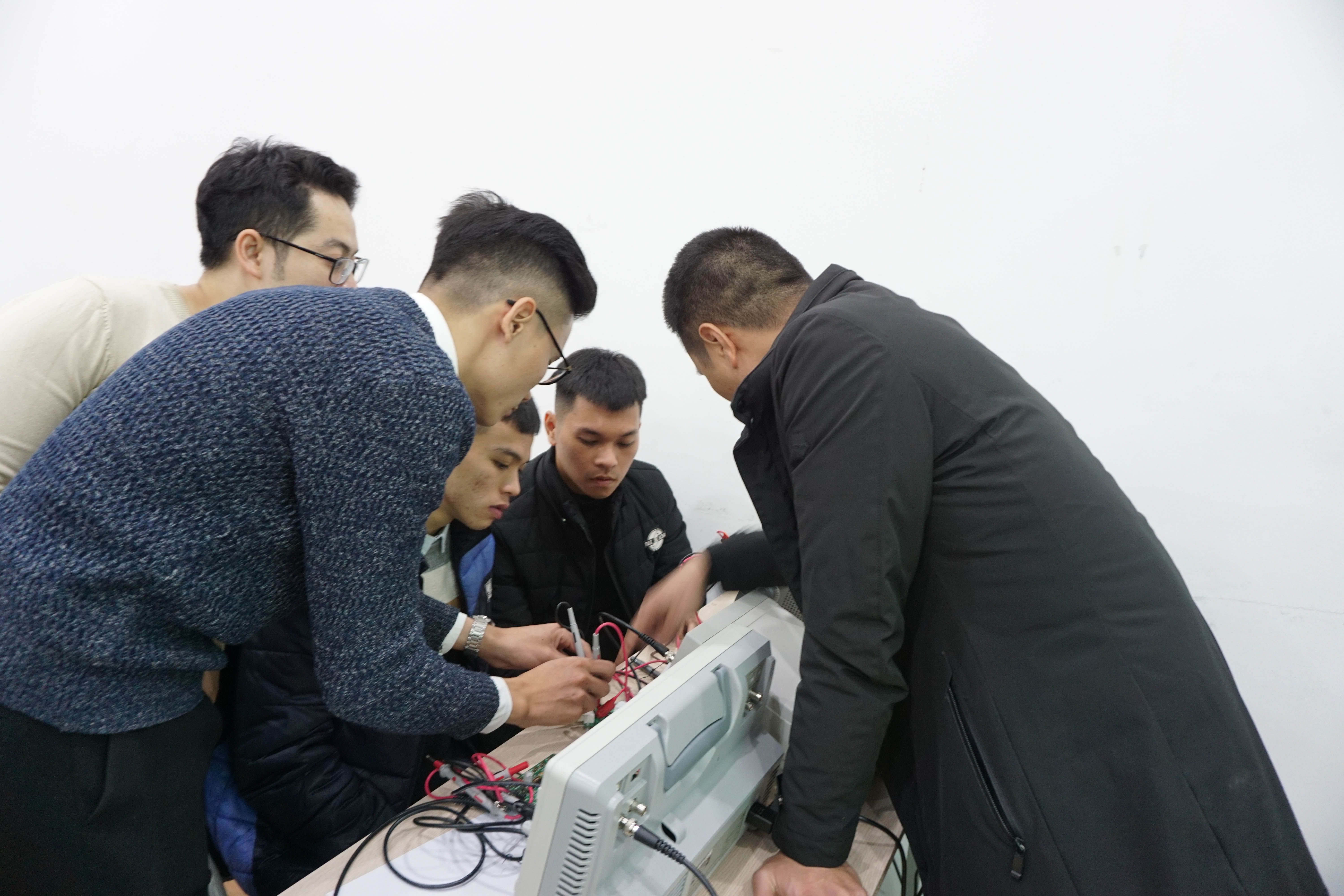
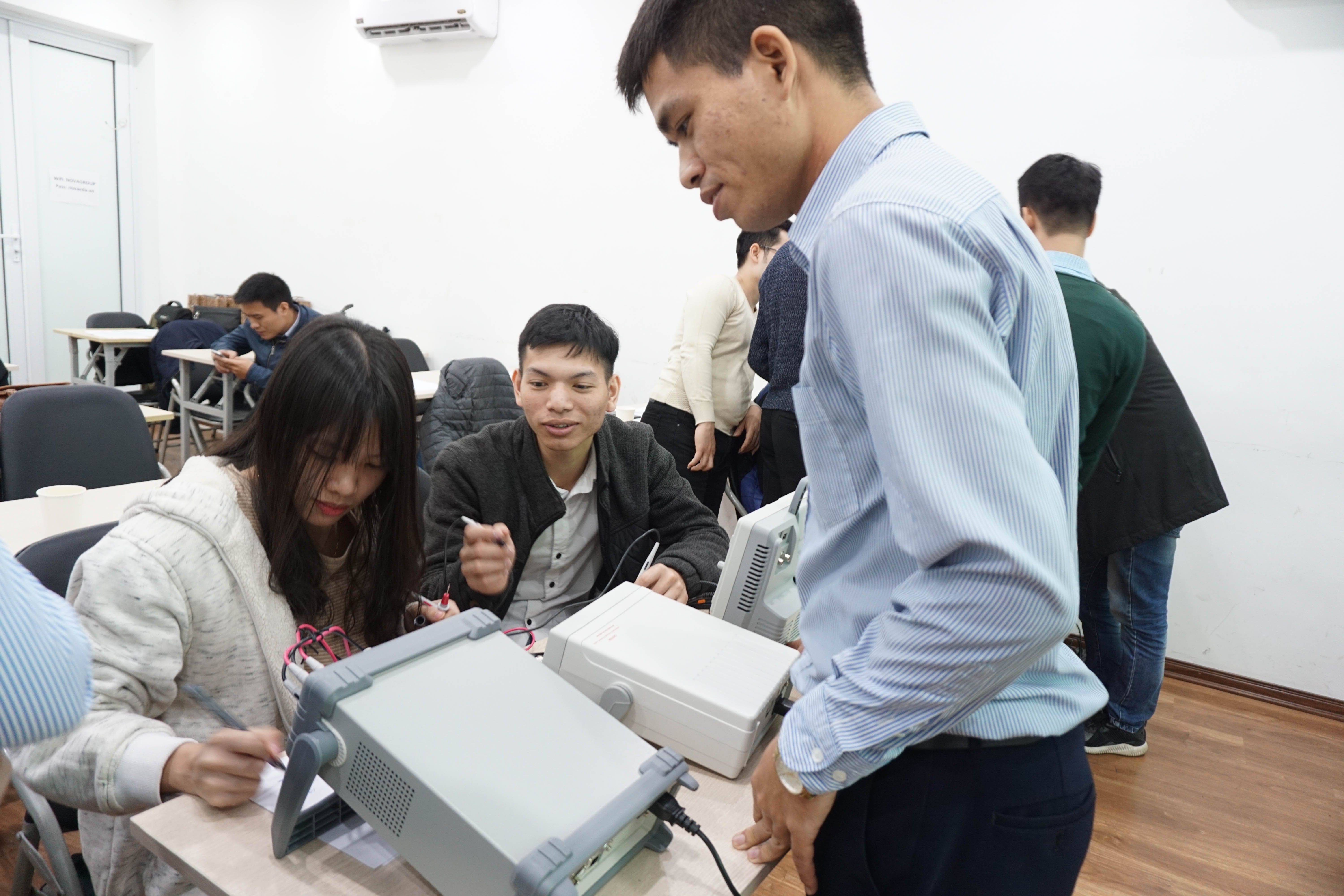
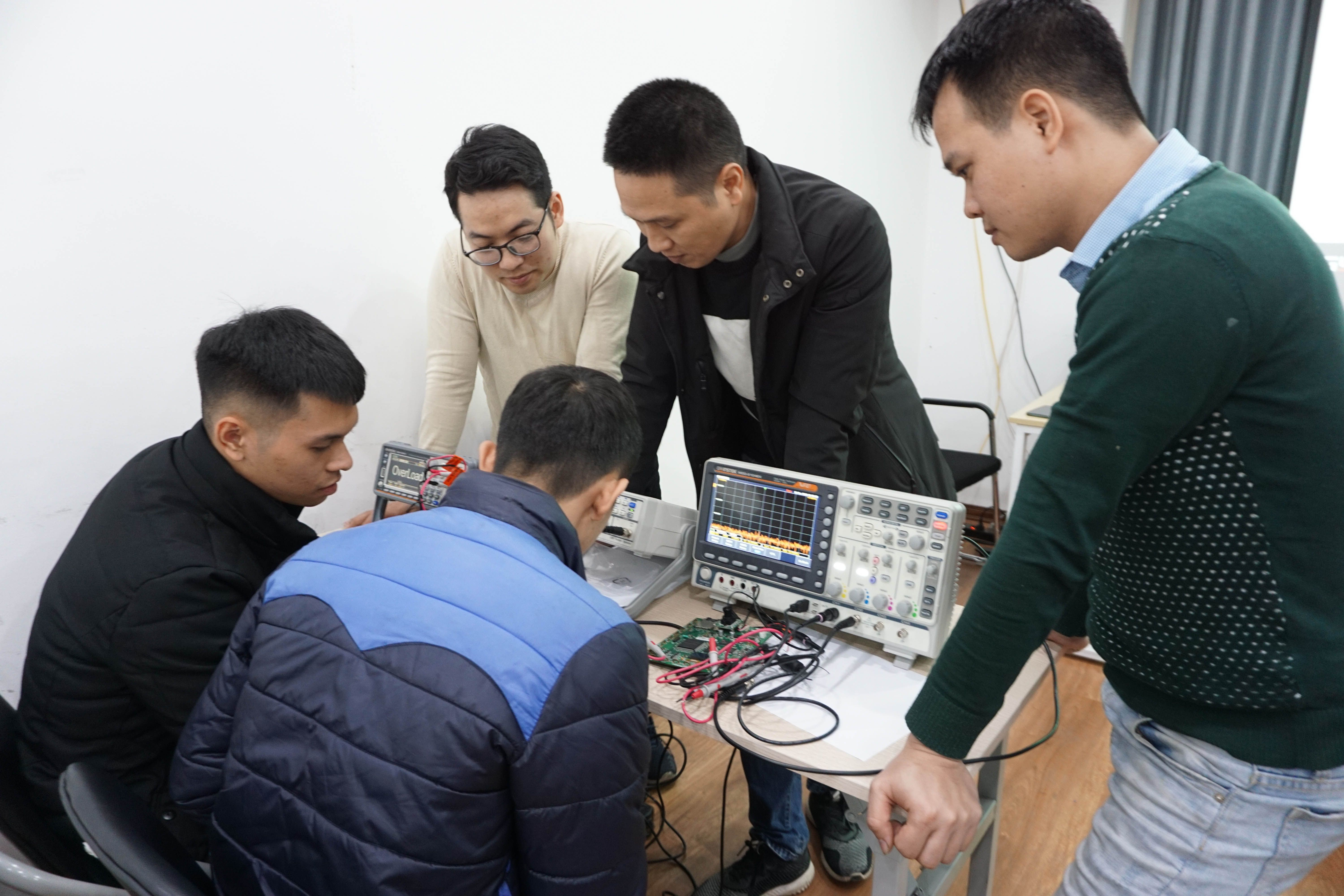
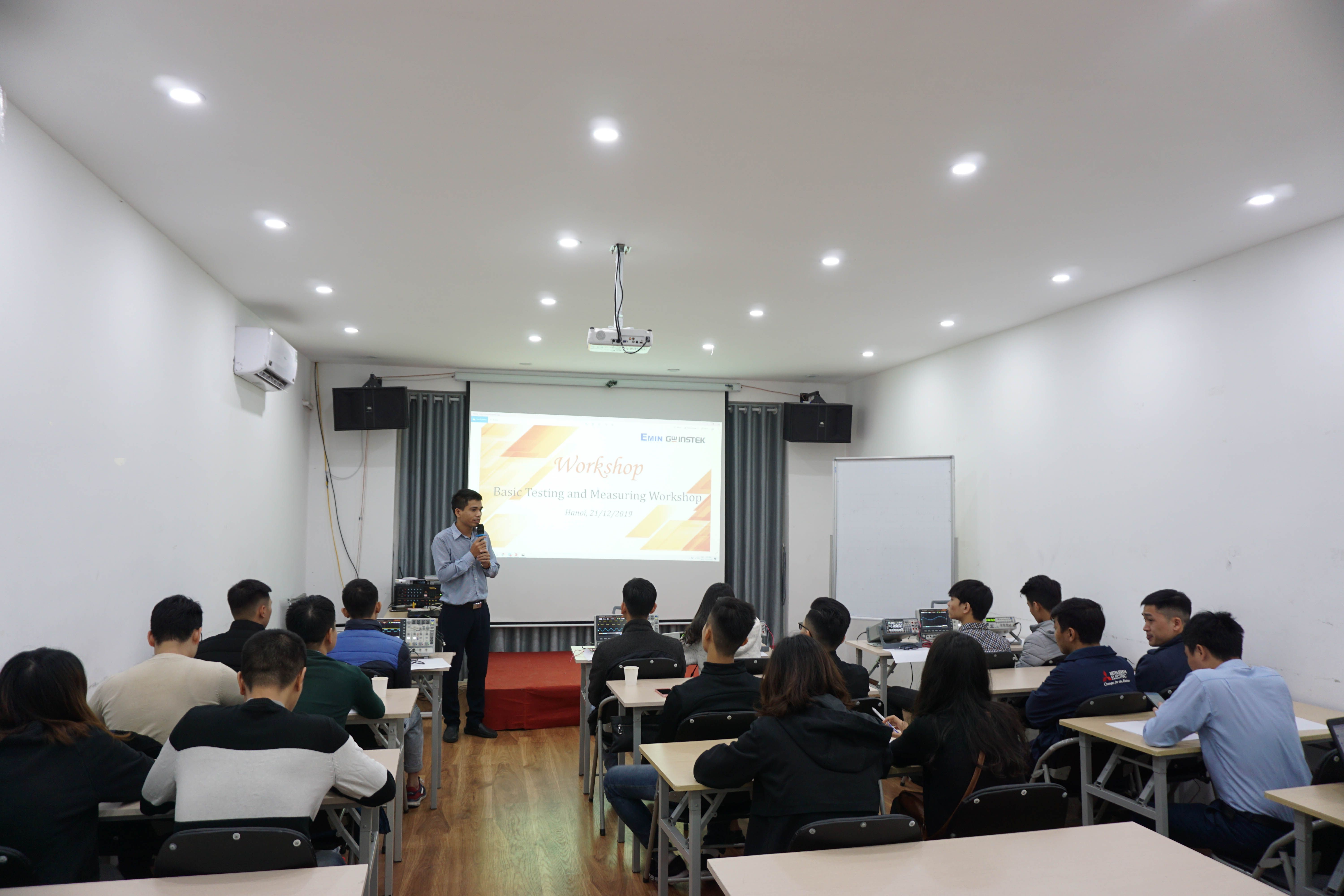
Dưới đây là một số hình ảnh tại workshop:


In chemical processing plants, wastewater treatment facilities, oil & gas operations, and food production, selecting the wrong material for a pressure gauge often leads to severe consequences: Bourdon tube failure, toxic chemical leaks, equipment breakdown, and serious occupational safety hazards. This article provides practical technical criteria for selecting the correct case and sensor materials when measuring pressure in corrosive environments.

The current situation regarding electroplating wastewater analysis presents challenges: the wastewater contains acids, alkalis, and heavy metals (such as Cr, Ni, and Cu), alongside persistent cyclic organic compounds derived from brightening agents, anti-misting additives, and degreasing solvents. This complex composition causes significant fluctuations in COD levels depending on the specific process stage and production shift. Sending samples to external laboratories results in a delay of several days—by which time the biological treatment tanks or coagulation systems may have already been operating improperly for too long. Utilizing a benchtop COD analyzer on-site reduces this turnaround time to just a few hours, provided the user fully understands the specific sources of error associated with electroplating wastewater

Wastewater treatment plants serving apartment complexes, buildings, and residential areas sometimes experience effluent COD levels approaching regulatory limits, particularly following sudden load surges or shortly before scheduled compliance sampling. QCVN 14:2025/BTNMT, applicable to domestic wastewater from September 1, 2025, sets COD limits based on discharge volume and the receiving water body, while allowing dischargers to choose between TOC and COD parameters

The global energy transition trend is driving industrial plants, chemical facilities, and renewable energy sites to integrate hydrogen as a strategic fuel source to achieve decarbonization goals. However, practical experience shows that traditional mechanical pressure gauges rapidly degrade in service life and experience dangerous failures when in direct contact with hydrogen environments.

In semiconductor cleanrooms, a single microscopic dust particle or a tiny toxic gas leak is enough to ruin an entire wafer batch worth millions of dollars. This vital requirement is accelerating a complete transition from traditional mechanical pressure gauges to digital pressure sensors and electronic pressure gauges.
数量割引、まとめ買い価格の更新、新製品情報をメールでお届けします。
登録することで、当社の利用規約およびプライバシーポリシーに同意したものとみなされます。
認定専門家へ直接アクセス