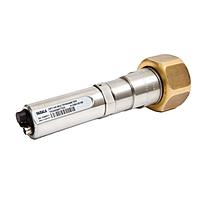
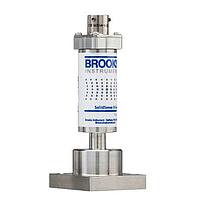
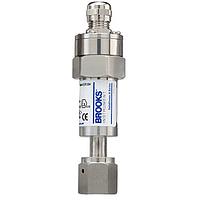
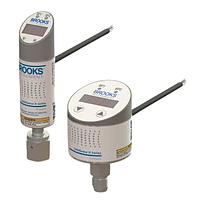
Pressure Transmitter
Accurate pressure data is essential in process control, HVAC, laboratory environments, pneumatic systems, and OEM equipment design. When the application demands a stable electrical signal rather than a local visual reading, a Pressure Transmitter becomes the practical choice for continuous monitoring, control integration, and alarm handling.
This category brings together pressure transmitters and related sensing solutions used to convert pressure into an output that can be processed by PLCs, controllers, displays, or supervisory systems. The range includes general-purpose transmitters, low differential pressure devices, and sensor modules suited to both industrial installations and embedded design work.
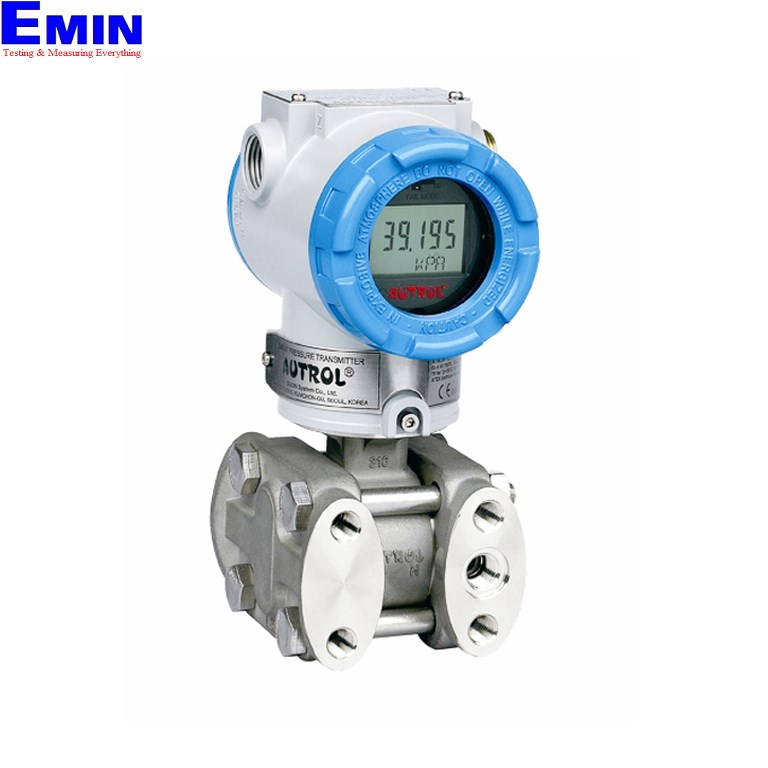
Where pressure transmitters are commonly used
Pressure transmitters are selected wherever pressure must be measured continuously and sent to a control or monitoring system. Typical use cases include compressed air networks, filter monitoring, cleanroom pressure control, gas handling, hydraulic and pneumatic systems, and machine-level process feedback.
In many installations, transmitters are preferred over simple gauges because they support remote reading and automation. For operators who also need local indication or multi-parameter observation, it can be useful to review related solutions such as pressure, temperature and humidity monitors or dedicated manometers depending on how the measurement will be used on site.
Understanding the main types in this category
Not every pressure transmitter is built for the same measurement task. Some models are intended for gauge pressure, others for absolute pressure, and some for differential pressure, where the device measures the pressure difference between two points. Choosing the correct reference type is one of the first steps in narrowing down the right product.
This category also includes low-pressure differential transmitters used in airflow-sensitive applications. For example, Rotronic PF54X-L and PF54X-1 models are designed for differential pressure measurement in low Pa ranges, while PF44X-L and PF44X-1 variants extend this concept with thermal-based ranges starting from very low differential values. For compact integration, sensor modules such as the Amphenol NPI-19A-300A2 or TE Connectivity 82CV-005G-RT can be relevant in OEM or electronic design environments.
Selection criteria that matter in real projects
A suitable transmitter is not chosen by pressure range alone. Engineers usually look at the pressure type, measurement span, media compatibility, electrical output, environmental protection, mounting style, and how the signal will be integrated into the control architecture. These factors directly affect long-term reliability and commissioning effort.
Output format is especially important. Some devices provide analog output for straightforward control loop integration, while others combine analog and digital communication options for more flexible setup and diagnostics. In low differential pressure applications, details such as response interval, long-term stability, and enclosure rating can be more important than broad-range pressure capability.
- Use low differential pressure transmitters for room pressure, airflow supervision, and filter status monitoring.
- Use general pressure transmitters for machine, pneumatic, hydraulic, or process pressure feedback.
- Use sensor modules when the measurement element must be integrated directly into custom electronics or compact assemblies.
Examples from leading manufacturers
Several established manufacturers are represented in this range, each fitting a different application profile. Rotronic is relevant where low differential pressure, temperature, and humidity parameters may need to be monitored in a single wall-mounted device. This makes it a practical option for controlled environments, ventilation-related systems, and room pressure supervision.
Amphenol and TE Connectivity are strong references when compact pressure sensing components or transmitter-style devices are needed for equipment integration. Examples in this category include Amphenol NPI-19H-050AV, Amphenol NPI-19H-015AV, Amphenol NPI-19A-101AH, and TE Connectivity MS1S1-00000J-250PG. These product families are often relevant in OEM development where electrical output, package size, and system compatibility are key decision points.
Specialized solutions for gas and low-pressure systems
Some applications go beyond straightforward pressure measurement and require pressure management around a gas distribution setup. The LDetek LDASS Automatic Switchover System is a good example of a pressure-related device that supports continuity in gas supply systems while working within a defined inlet and outlet pressure envelope. In these cases, pressure control and system availability are closely linked.
At the low end of the pressure spectrum, differential transmitters such as Rotronic PF54X-L or PF44X-L are relevant where very small pressure changes must be measured with repeatability. This is common in cleanrooms, isolation spaces, laboratory ventilation, and filter monitoring, where even a small deviation can affect process conditions or compliance routines.
How to choose between transmitter, monitor, and portable instrument
A transmitter is usually the right choice when the measurement needs to feed a control panel, building management system, PLC, or data acquisition platform. It is designed to provide a continuous output signal and fit into automated workflows. If the priority is portable troubleshooting or field verification, a handheld or mobile solution may be more efficient.
For that reason, some buyers compare this category with instruments such as portable vacuum pressure instruments or fixed monitoring devices before finalizing a specification. The best choice depends on whether the task is continuous process measurement, local observation, calibration support, or temporary diagnostics.
Integration considerations for industrial and OEM use
In industrial plants, pressure transmitters are typically selected with attention to enclosure protection, process connection, power supply, and output signal compatibility. Wall-mounted low-pressure devices may suit HVAC and room pressure control, while compact transmitter bodies and sensor modules are better matched to machine builders and embedded assemblies.
For OEM projects, developers often focus on electrical interfacing, package dimensions, and whether the sensing element is meant to serve as a finished field device or a subsystem inside the final product. That is where the difference between a standalone transmitter and a pressure sensor module becomes important. The category therefore supports both end-user maintenance requirements and design-in sourcing needs.
Finding the right pressure transmitter for your application
The most effective selection process starts with the measurement objective: what pressure type must be measured, over what range, in which medium, and how the signal will be used downstream. From there, it becomes easier to compare low differential pressure models, general pressure transmitters, and OEM-oriented sensor modules without over-specifying the solution.
Whether the requirement is room pressure stability, machine pressure feedback, or embedded sensing for a new device, this category provides a focused starting point. Reviewing product output options, mounting style, and application fit will usually narrow the shortlist quickly and lead to a more reliable implementation.
Get exclusive volume discounts, bulk pricing updates, and new product alerts delivered directly to your inbox.
By subscribing, you agree to our Terms of Service and Privacy Policy.
Direct access to our certified experts